
-
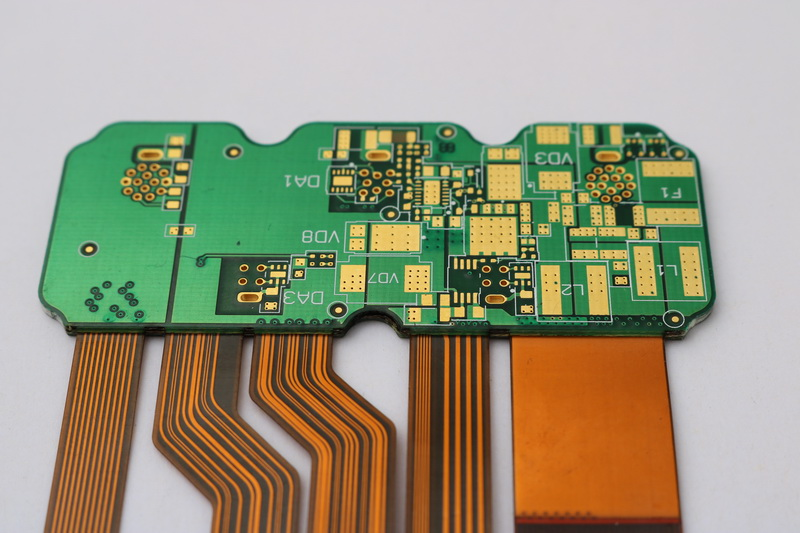
How Thick Should Flex Circuits Be?
Introduction Flex circuits, also known as flexible printed circuits or flex PCBs, are thin, bendable circuit boards made of flexible dielectric materials like polyimide or polyester. They can be bent, folded, twisted, and shaped to fit into tight spaces and move dynamically in electronic devices. Determining the appropriate thickness for a flex circuit depends on…
-
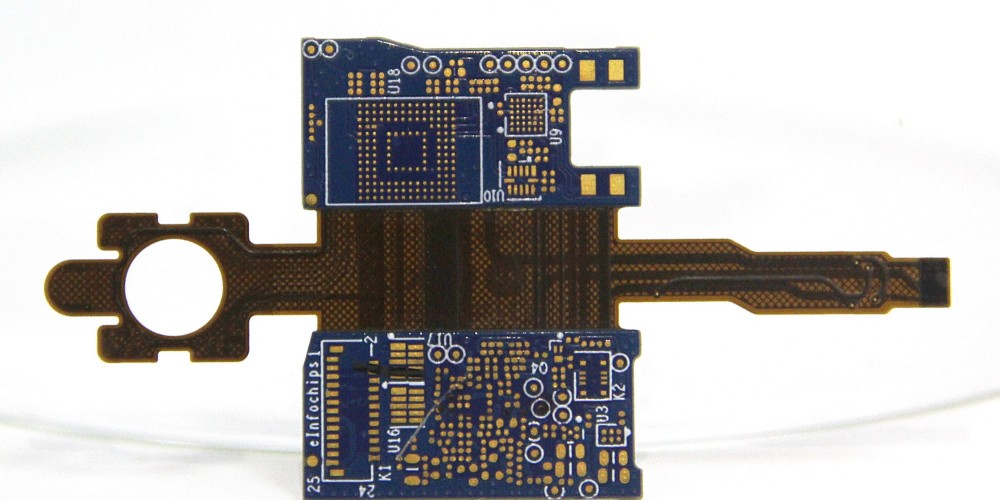
HDI Flex PCBs: A Comprehensive Overview and Guide
Introduction HDI, or high-density interconnect, flex PCBs represent an important advancement in printed circuit board (PCB) technology that enables thinner, lighter, and more compact electronics designs. As devices like smartphones, wearables, and IoT products continue trending smaller, HDI flex PCBs provide an ideal interconnect solution to integrate advanced functionality into tight spaces. This guide will…
-
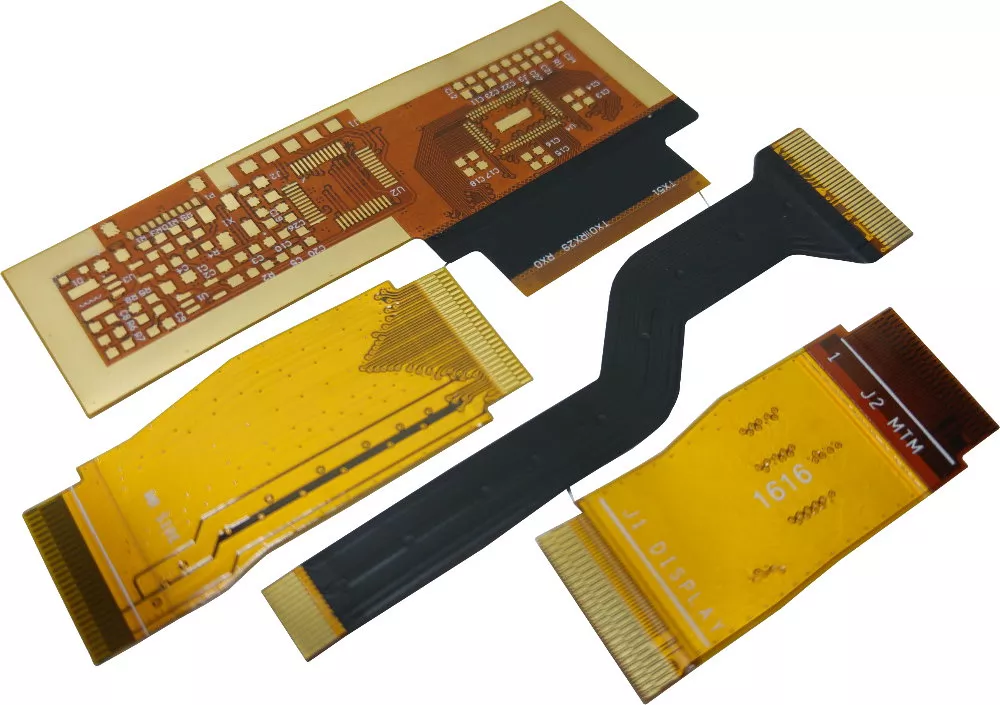
The Future of Printed Circuit Board Design
Introduction Altium Flex is the next evolution in printed circuit board (PCB) design software from industry leader Altium. It represents a fundamental shift from traditional PCB design tools by enabling a flexible, collaborative, and cloud-based approach. With Altium Flex, PCB designers can break free from locked-down design environments and rigid workflows. Instead, they can take…
-
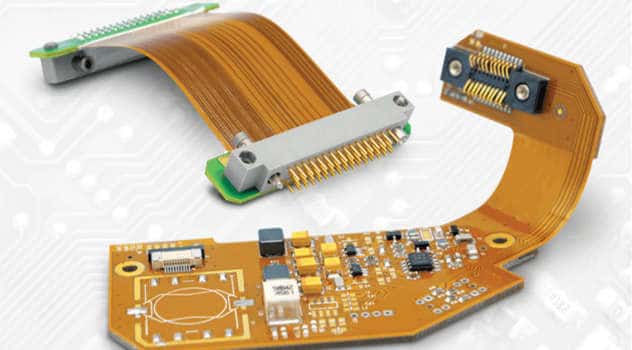
Flex PCB Materials
Flexible printed circuit boards (flex PCBs) are made from different types of flexible materials that can bend and flex repeatedly without breaking. Choosing the right flex PCB material is crucial for designing a circuit board that can withstand the mechanical stresses of constant motion and vibration. This article provides an overview of the most common…
-
The Rise of Flex Board Electronics
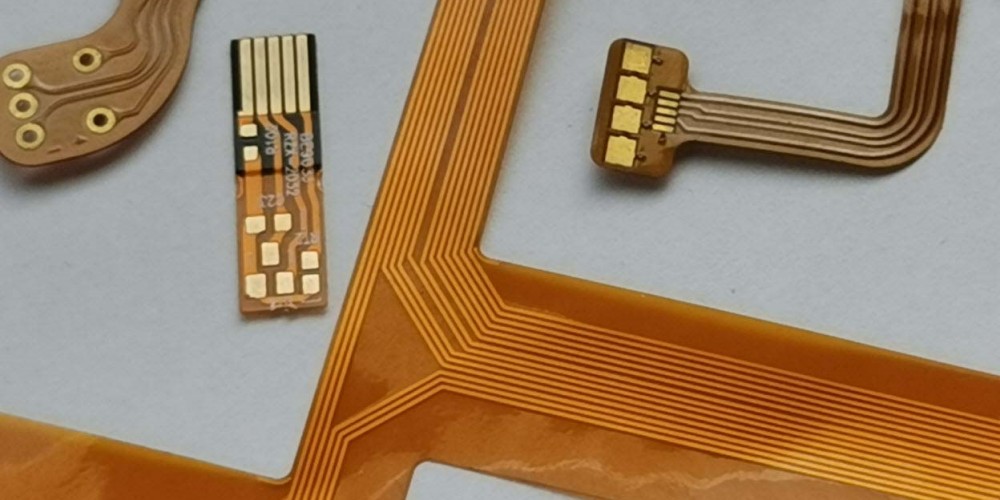
Introduction to Flex Boards Flex boards, also known as flexible printed circuit boards (FPCBs), are a rapidly growing technology in the world of electronics manufacturing. As the name suggests, flex boards are thin, bendable circuit boards made from flexible insulating substrate materials like polyimide or polyester. The flexible nature of flex boards allows them to…
-
Flex Rigid PCBs: Combining Flexibility and Rigidity in Printed Circuit Boards
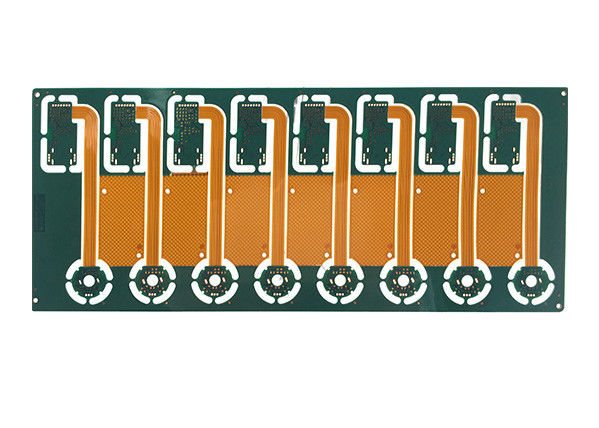
Introduction Flex rigid printed circuit boards (PCBs) integrate flexible circuitry with more rigid board substrates to create lightweight and durable electronic interconnect solutions. These hybrid PCBs provide the ability to place circuitry in areas that rigid boards cannot reach, while maintaining stability and protection with rigid board segments. Flex rigid PCBs offer numerous advantages for…
-
Flex Circuit Prototyping
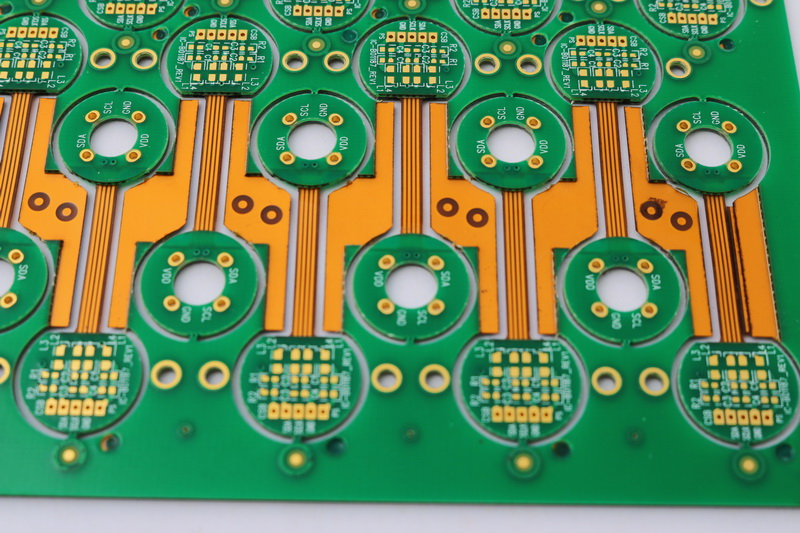
Introduction Flex circuits, also known as flexible printed circuits (FPCs), are a type of printed circuit board that can bend and flex. They are made from flexible materials like polyimide and laminated copper foil. Flex circuits provide several advantages over rigid circuit boards, including flexibility, space and weight savings, and improved reliability in dynamic environments.…
-
Rigid Flex PCB Design in Altium
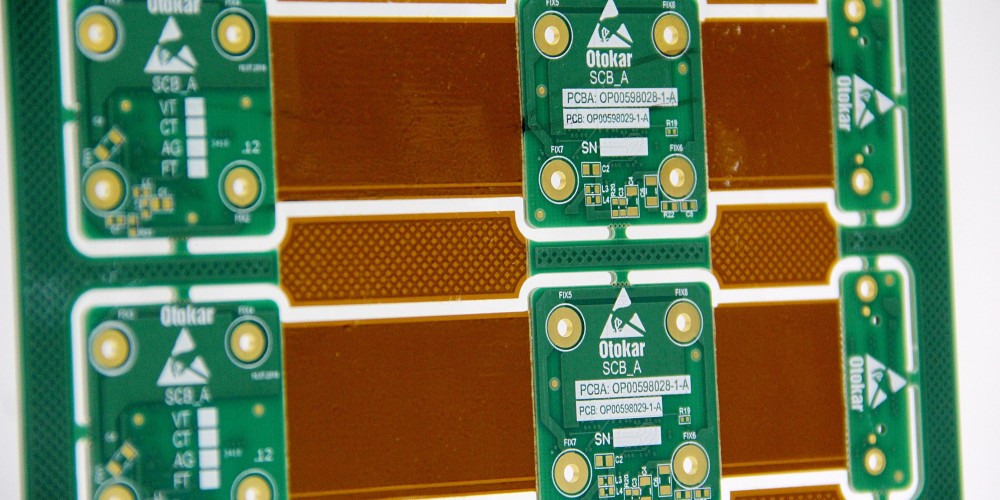
Overview of Rigid Flex PCBs A rigid flex PCB is a printed circuit board that consists of both rigid and flexible substrates laminated together. The rigid sections provide mechanical support while the flexible sections allow dynamic flexing and bending. Rigid flex PCBs provide several advantages: Rigid flex PCBs are widely used in aerospace, military, medical,…
Blog
Archive
Categorise
Recent Posts
- Common Mode Choke Selection: A Comprehensive Guide
- Common Fab and Assembly Design Errors To Avoid – AltiumLive 2024
- Commodore 128 Principal Engineer, Bil Herd on Best Practices for Learning a New CAD Tool
- Collecting All the Pieces You Need: What is a Bill of Materials?
- Collaborative Design Software: Create PCB Schematic Symbols for any Component
