
-
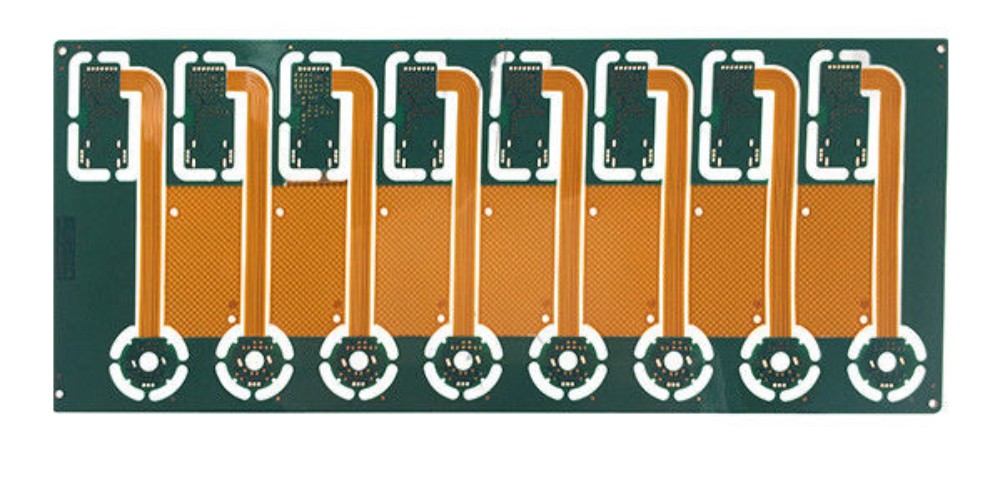
Semi Rigid Flex PCBs: A Complete Guide
Introduction Semi rigid flex printed circuit boards (PCBs) are a unique type of flexible PCB that combine rigid and flexible materials to create a versatile circuit board. As the name suggests, semi rigid flex PCBs offer some rigidity but also have flexible portions that allow the board to bend and flex. This combination of properties…
-
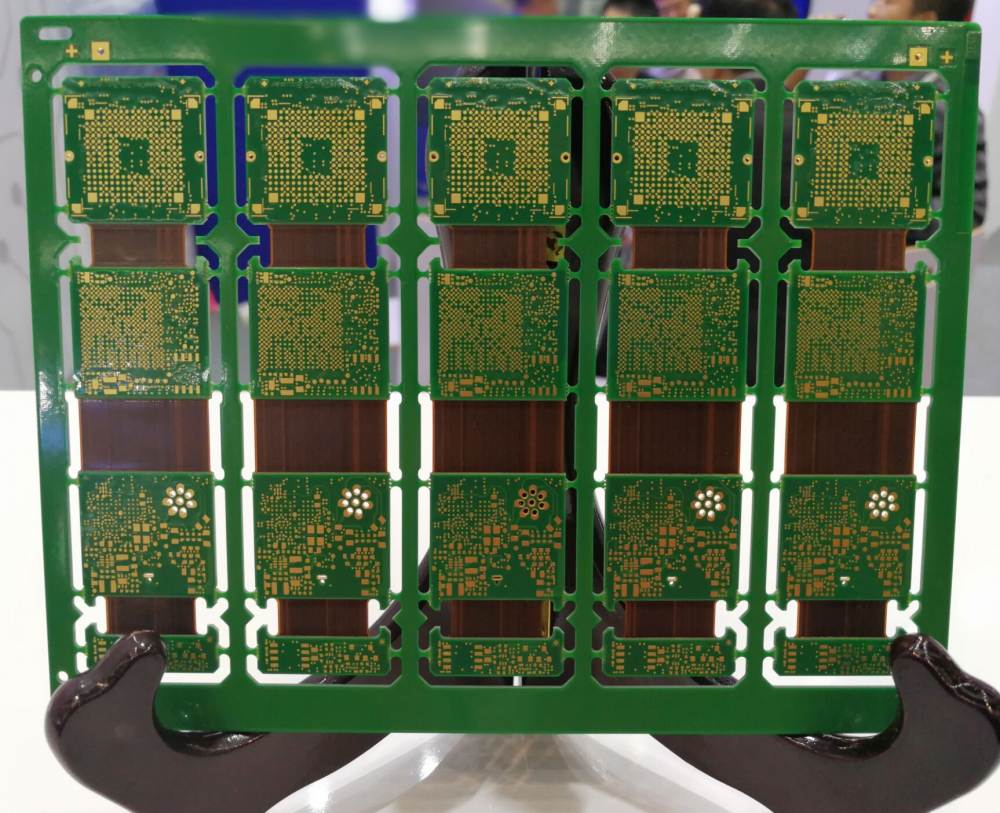
Designing Flexible Printed Circuits with Altium Designer’s Layer Stack Manager
Flexible printed circuits (FPCs) are a crucial component in modern electronic devices. As products continue to get smaller and more portable, FPCs allow circuitry to bend and flex with the devices. Altium Designer provides powerful tools for designing flexible PCBs, including the Layer Stack Manager for configuring the layer stack. Overview of Flexible PCBs A…
-
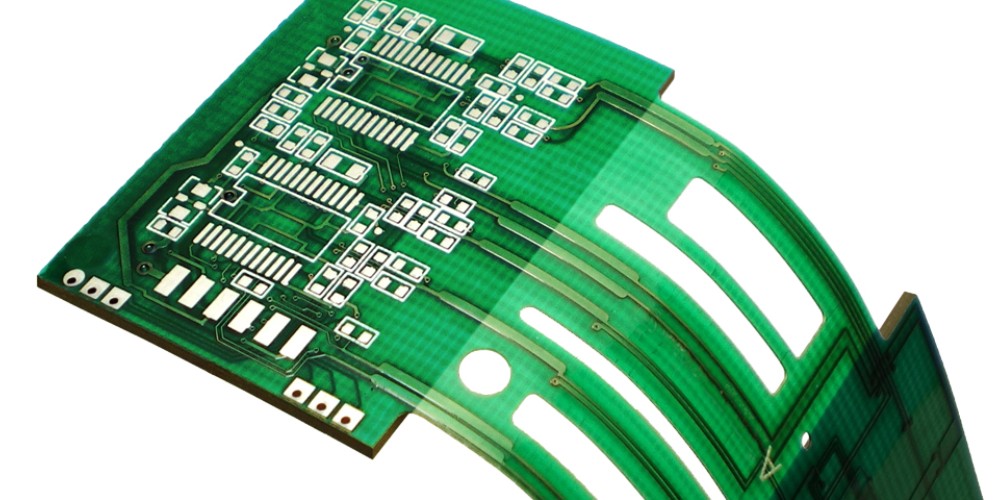
Flex PCB Supplier
Introduction A flex PCB (flexible printed circuit board) is a technology that allows circuits to be created on flexible substrates like polyimide or polyester. The flex PCB itself consists of thin layers of copper conductive traces on a polymer base. Flex PCBs provide many advantages over rigid PCBs including: Finding the right flex PCB supplier…
-
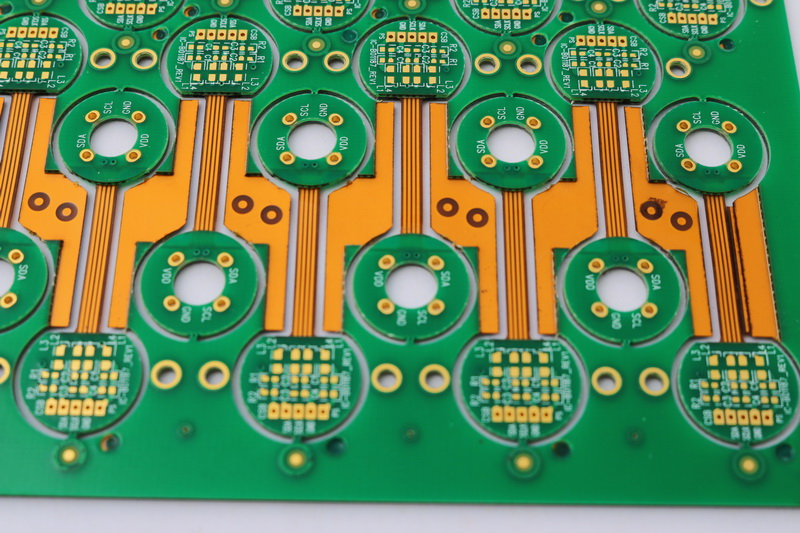
Flex Circuit Fabrication: Processes, Materials and Applications
Introduction to Flex Circuits A flex circuit, also known as a flexible printed circuit board (PCB), is a type of circuitry made from flexible polymer substrates like polyimide or polyester. The circuits can be screened or printed onto the flexible base material to create interconnects between components. Flex circuits allow for dynamic flexing, bending and…
-
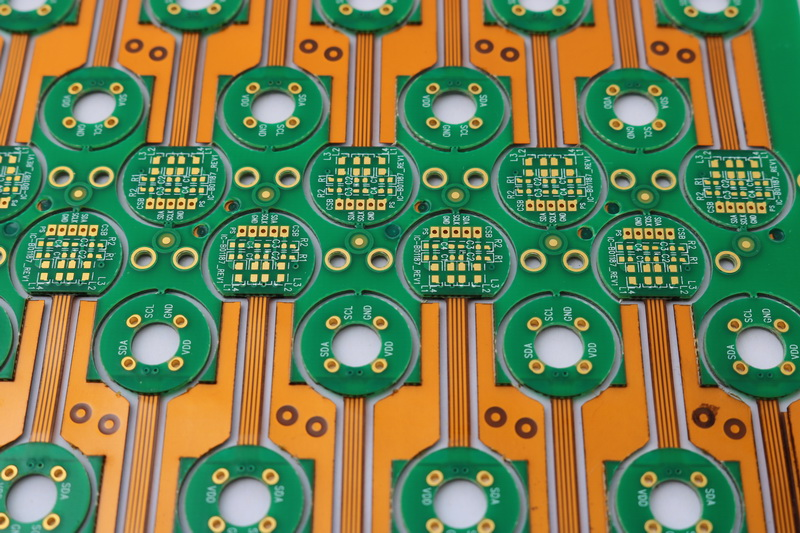
12 Layer Rigid Flexible PCBs: Design, Manufacturing and Applications
Rigid flexible printed circuit boards (PCBs), also known as flex circuits or flex PCBs, provide solutions for complex interconnections between components in electronic devices with space and weight constraints. Rigid flexible PCBs combine rigid FR-4 boards with flexible polyimide films bonded together in a single structure. The rigid sections provide mechanical support while the flexible…
-
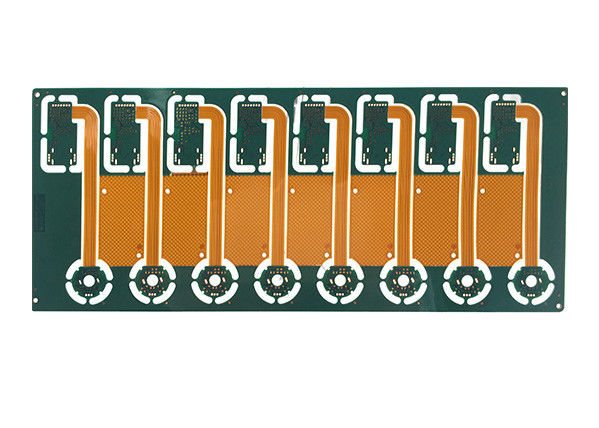
Rigid and Flex PCBs: A Guide to Design and Manufacturing
Introduction Printed circuit boards (PCBs) provide the foundation for almost all modern electronics. PCBs allow electrical components to be mechanically supported and electronically connected. Traditionally, PCBs have been made from rigid laminate materials like FR-4. However, flexible PCBs (flex PCBs) have become increasingly popular in recent years due to their ability to bend and flex.…
-
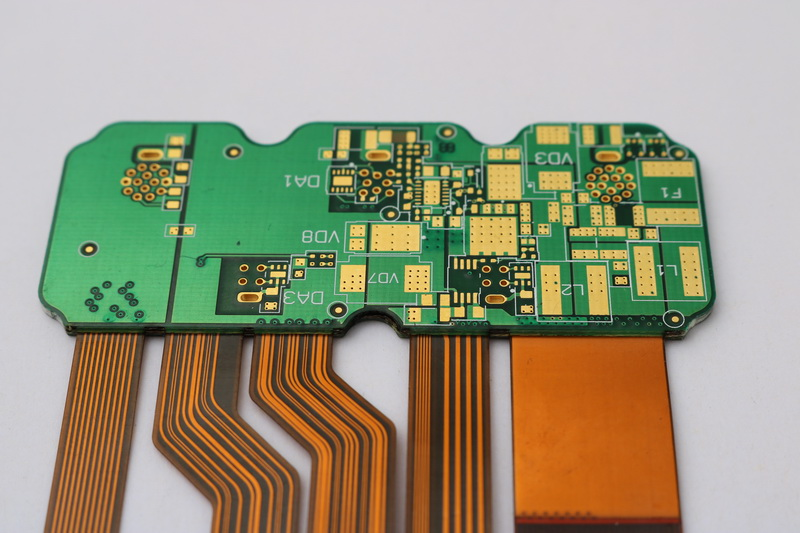
Rigid Flex Rigid PCBs: An Overview
Rigid-flex PCBs combine rigid PCBs and flexible circuits Rigid-flex PCBs, also known as rigid flex circuits or flex-rigid boards, combine rigid printed circuit boards (PCBs) and flexible circuits into a single structure. They provide designers with the ability to produce 3D, interconnected electronic assemblies. Rigid flex PCBs contain both rigid sections, made of materials like…
-
Multilayer Flexible Printed Circuit Boards: A Guide to Design and Manufacturing
Introduction A printed circuit board (PCB) is the foundation of any electronic product. It provides the mechanical structure and electrical connections between components. Rigid PCBs were once the only option, but flexible PCBs (FPCBs) are now widely used due to their ability to bend and flex. Multilayer FPCBs take this a step further by stacking…
Blog
Archive
Categorise
Recent Posts
- Common Mode Choke Selection: A Comprehensive Guide
- Common Fab and Assembly Design Errors To Avoid – AltiumLive 2024
- Commodore 128 Principal Engineer, Bil Herd on Best Practices for Learning a New CAD Tool
- Collecting All the Pieces You Need: What is a Bill of Materials?
- Collaborative Design Software: Create PCB Schematic Symbols for any Component
