
-
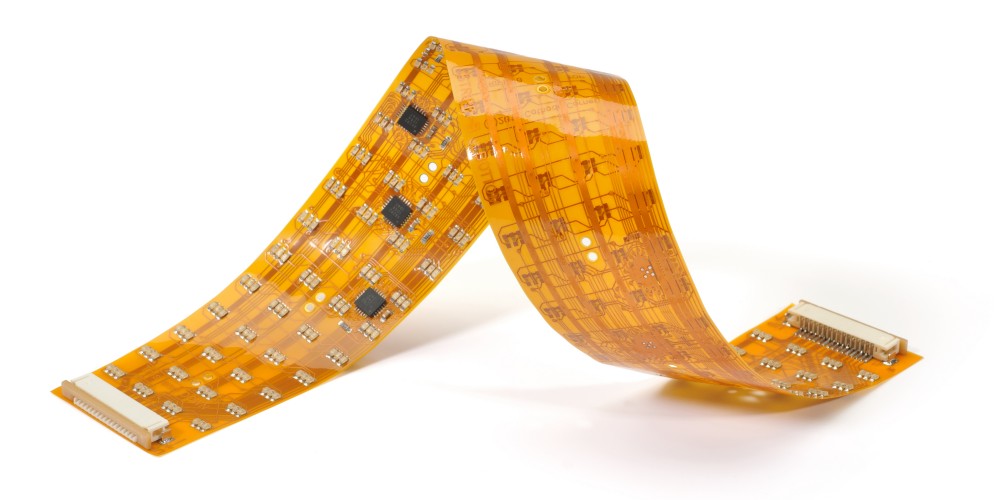
Leveraging Altium Designer for Flex Rigid PCB Designs
Introduction to Flex Rigid PCBs Flex rigid printed circuit boards (PCBs) combine rigid and flexible circuitry into a single PCB assembly. They provide the ability to interconnect multiple rigid sections through flexible connections, allowing the board to flex and bend. This enables more compact and unique PCB form factors. Some key benefits of flex rigid…
-
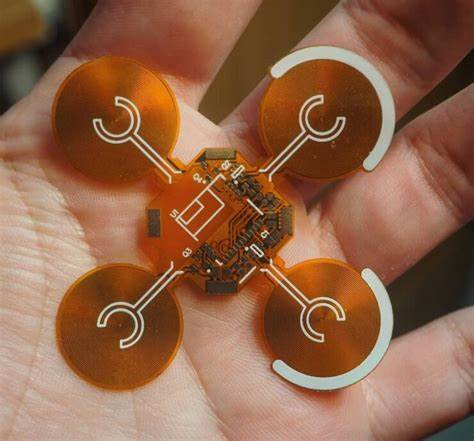
Key Players Among Flex Circuits Manufacturers in 2023
Introduction Flex circuits, also known as flexible printed circuits (FPCs), are an essential component of modern electronics and enable compact, lightweight designs. As demand for smaller, more powerful devices continues to grow, the market for flex circuits is expanding rapidly. Major flex circuit manufacturers are investing heavily in R&D and advanced manufacturing capabilities to meet…
-
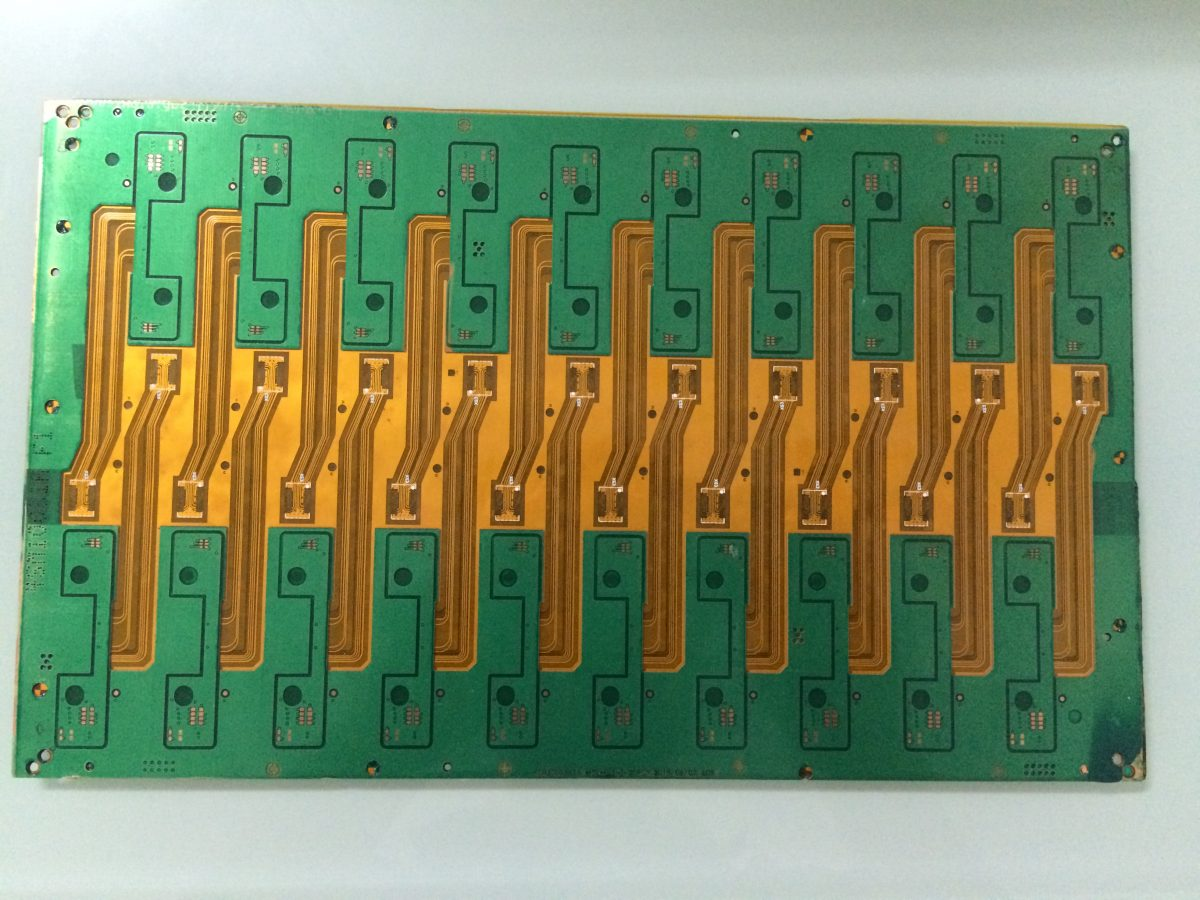
The Advantages and Applications of Flexible Rigid PCBs
What are Flexible Rigid PCBs? A flexible rigid PCB (also known as flex-rigid PCB) combines rigid and flexible PCB technologies into a single circuit board. As the name suggests, flex-rigid PCBs have both rigid and flexible sections on the same board. The rigid parts of the PCB provide mechanical support and mounting stability, while the…
-
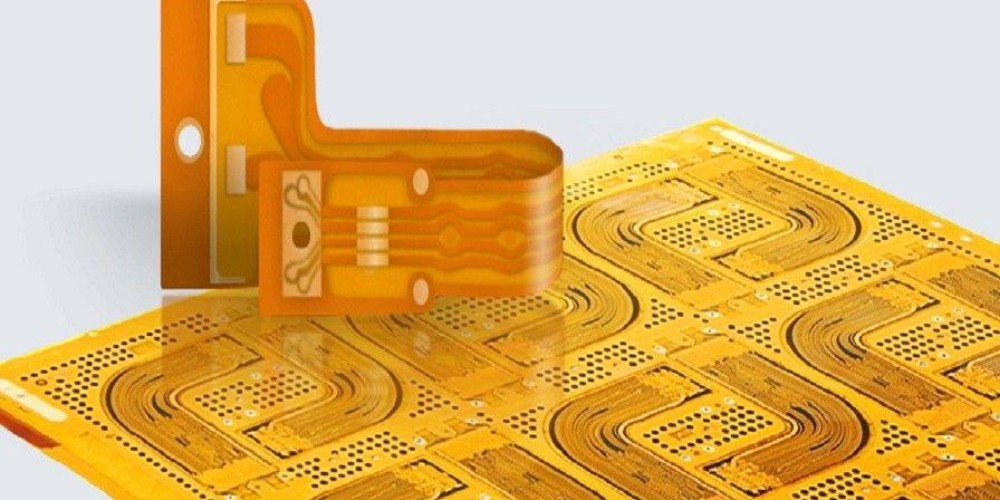
The Advantages of Using Advanced Circuits Flex PCBs
Introduction Printed circuit boards (PCBs) are essential components in almost all modern electronics. They provide the foundation on which components are mounted and connected together with conductive tracks. While rigid PCBs are commonly used, flex PCBs provide unique advantages, especially as electronics become smaller, lighter and more portable. Advanced Circuits is a leading PCB manufacturer…
-
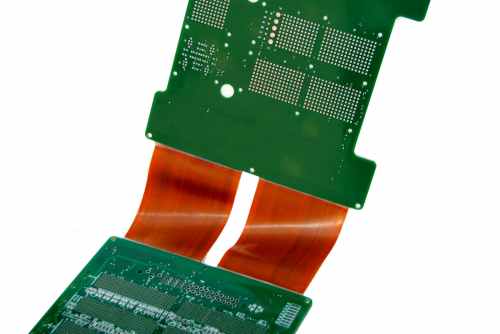
Semi Flexible PCBs: An Overview of Materials, Design and Applications
Introduction Printed Circuit Boards (PCBs) that are neither completely flexible nor completely rigid are known as semi flexible PCBs. These circuit boards provide a unique combination of mechanical flexibility and structural rigidity that makes them suitable for a wide range of applications where regular rigid PCBs may not be feasible. Semi flexible PCBs provide the…
-
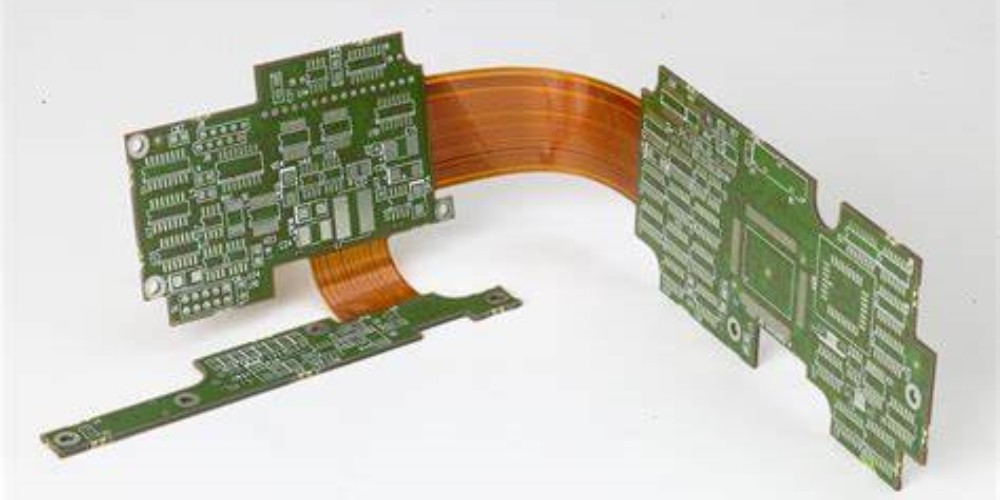
How Thick Should Copper Be in Flex PCB Design?
Introduction When designing a Flexible printed circuit board (Flex PCB), one of the key considerations is determining the right copper thickness for the application. The copper thickness impacts the durability, conductivity, current carrying capacity, weight, flexibility, and cost of the Flex PCB. This article provides a detailed overview of the factors to consider when selecting…
-
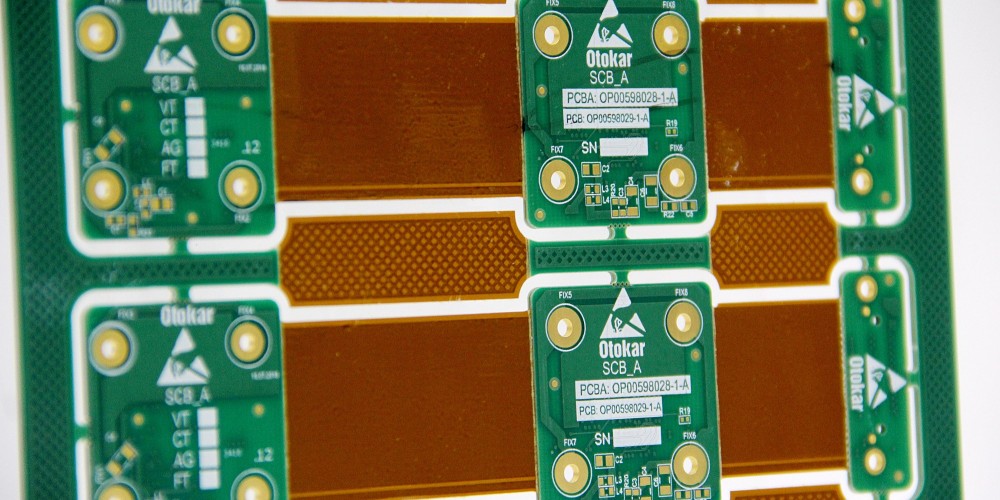
Flex PCB Via: A Complete Guide
Introduction to Flex PCB Vias A via is a plated through hole that connects different layers in a printed circuit board (PCB). Vias provide vertical interconnections and enable traces to change layers and connect components mounted on different sides of the board. In flexible PCBs (FPCBs), vias play an especially important role in allowing signals…
-
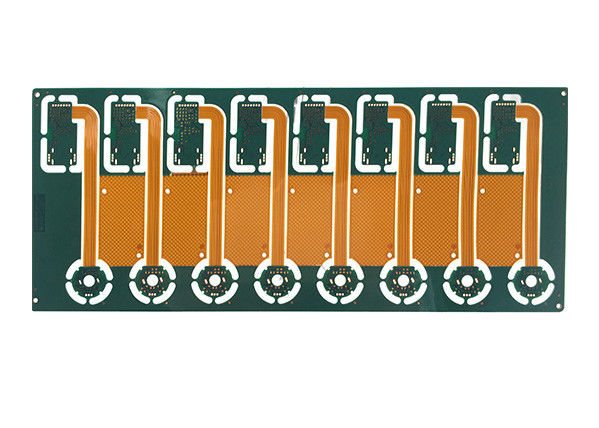
Rigid Flex PCB Price in 2023
Introduction Rigid-flex printed circuit boards (PCBs) have become increasingly popular in recent years due to their ability to optimize electronics designs. By combining rigid and flexible substrates in one PCB, rigid-flex allows for more compact and efficient routing of connections between components. This helps reduce the overall size and improve reliability compared to using separate…

Blog
Archive
Categorise
Recent Posts
- Common Mode Choke Selection: A Comprehensive Guide
- Common Fab and Assembly Design Errors To Avoid – AltiumLive 2024
- Commodore 128 Principal Engineer, Bil Herd on Best Practices for Learning a New CAD Tool
- Collecting All the Pieces You Need: What is a Bill of Materials?
- Collaborative Design Software: Create PCB Schematic Symbols for any Component
