
-
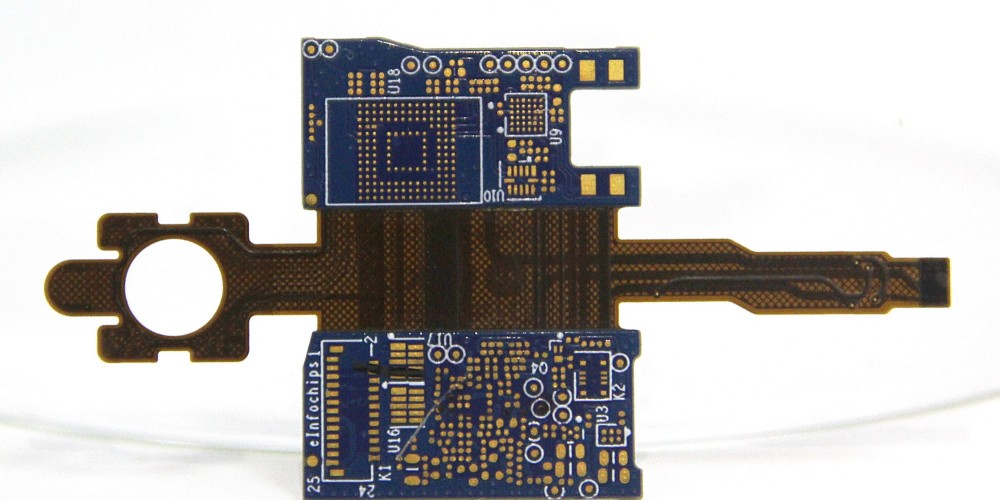
All You Need to Know About Flexible Printed Circuit Boards (FPCBs)
Flexible printed circuit boards (FPCBs) are a type of printed circuit board made using flexible substrate materials like polyimide or polyester. Unlike traditional rigid PCBs, flex circuits can bend, fold and flex to accommodate different form factors and mobile or dynamic applications. FPCBs allow circuitry to move freely while still maintaining electronic connections. They are…
-
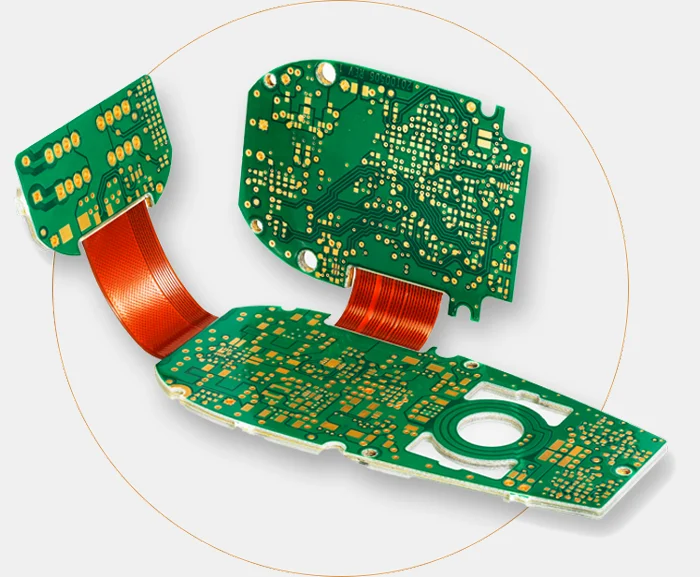
Fr4 Semiflex: A High Performance PCB Material for Flexible Circuits
Introduction to Fr4 Semiflex Fr4 semiflex is a flexible printed circuit board (PCB) material that combines the performance of standard FR4 rigid PCBs with the flexibility of polyimide flex circuits. Semiflex PCBs provide several advantages over traditional rigid or flexible PCB materials: With these benefits, fr4 semiflex PCBs are being widely adopted for flexible circuit…
-
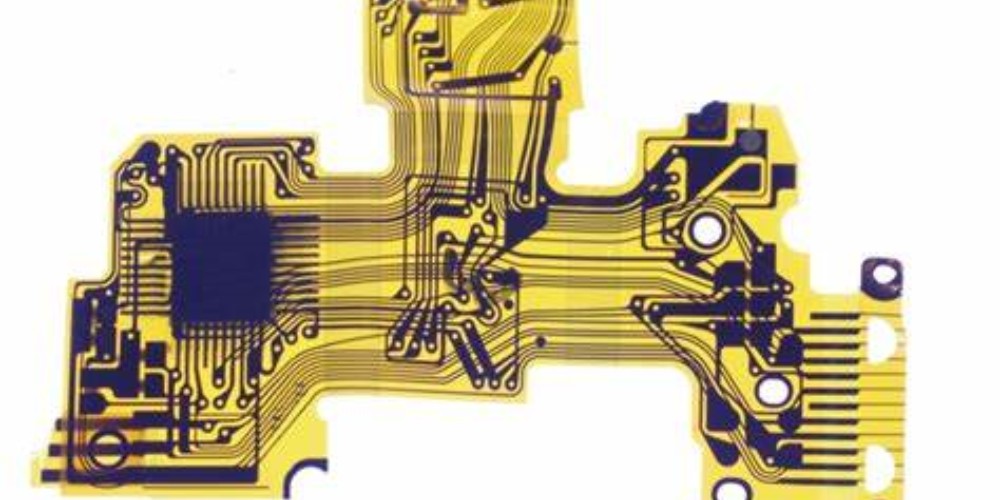
Flexible Circuit Board Materials: A Comprehensive Guide
Introduction Flexible circuit boards, also known as flex circuits, are made of flexible insulating substrate materials that allow circuits to bend and flex without damage. Compared to traditional rigid printed circuit boards (PCBs), flex circuits can withstand repeated bending and twisting, making them ideal for use in dynamic applications where flexibility is required. Some key…
-
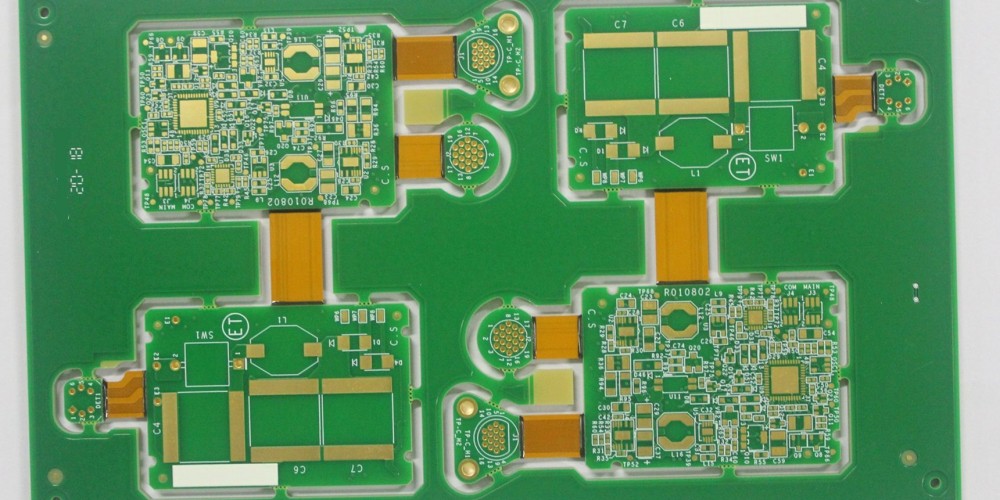
Rigid Polyimide PCBs: A Detailed Guide
Introduction Printed circuit boards (PCBs) are essential components in nearly all modern electronic devices. They provide the physical structure and electrical connections between electronic components. While the most common type of PCB uses rigid FR-4 fiberglass as the substrate material, polyimide PCBs offer superior thermal and mechanical performance for demanding applications. Polyimide is a high-performance…
-
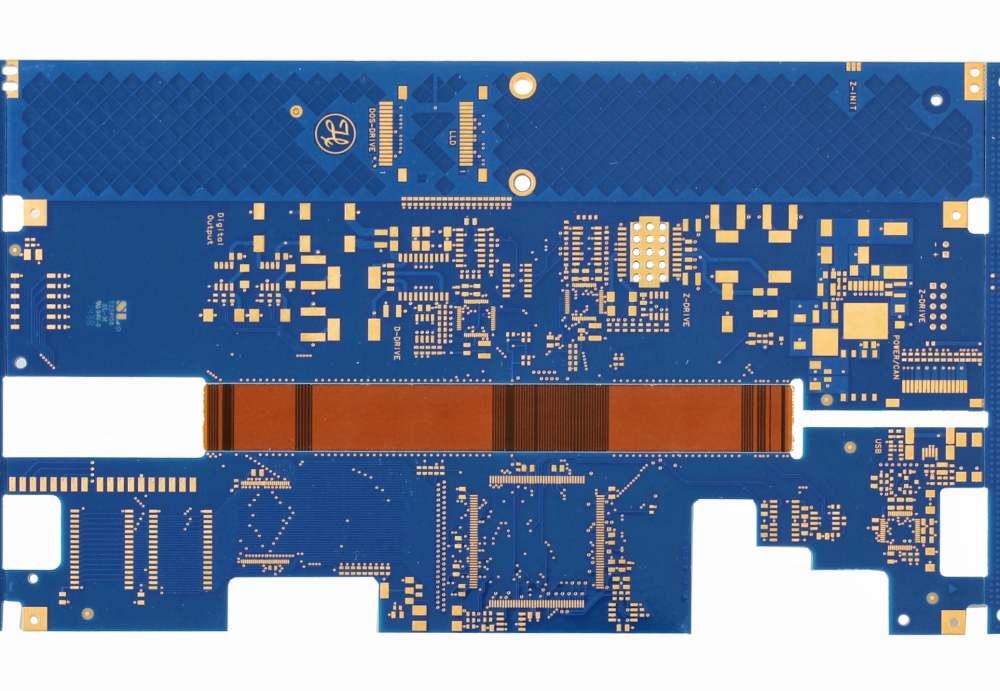
Rigid Flex Design: An Overview of Materials, Processes and Applications
Introduction Rigid flex design refers to printed circuit boards (PCBs) that consist of rigid sections interconnected by flexible circuits. This allows the PCB to be bent and folded as needed to fit within the design constraints of electronic devices and systems. Rigid flex PCBs provide a space-saving and reliable interconnect solution in applications ranging from…
-
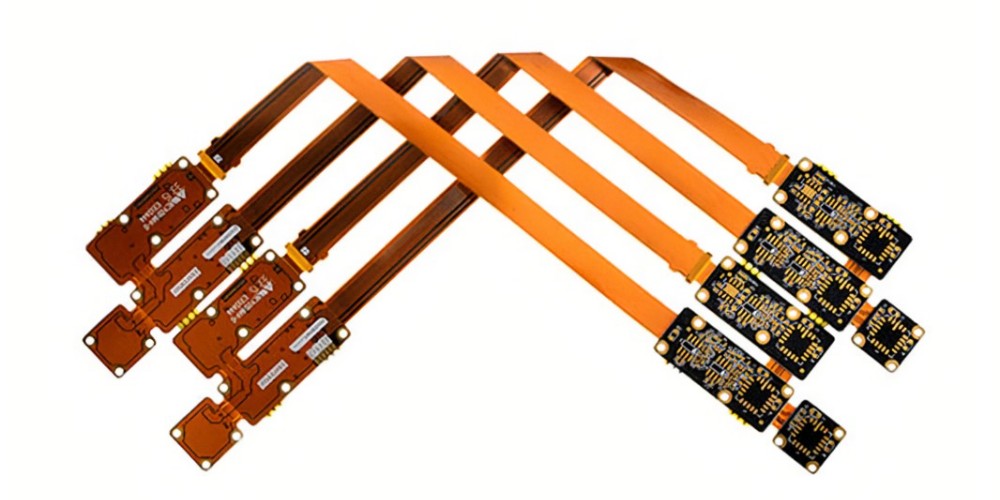
Understanding Flexible Printed Circuit Board (Flex PCB) Layers
Flexible printed circuit boards (Flex PCBs) are a type of printed circuit board made with flexible material such as polyimide film. They allow for dynamic flexing and bending applications not possible with traditional rigid PCBs. Flex PCBs can have anywhere from 1 to 30 conductive layers laminated together. The number of layers in a Flex…
-
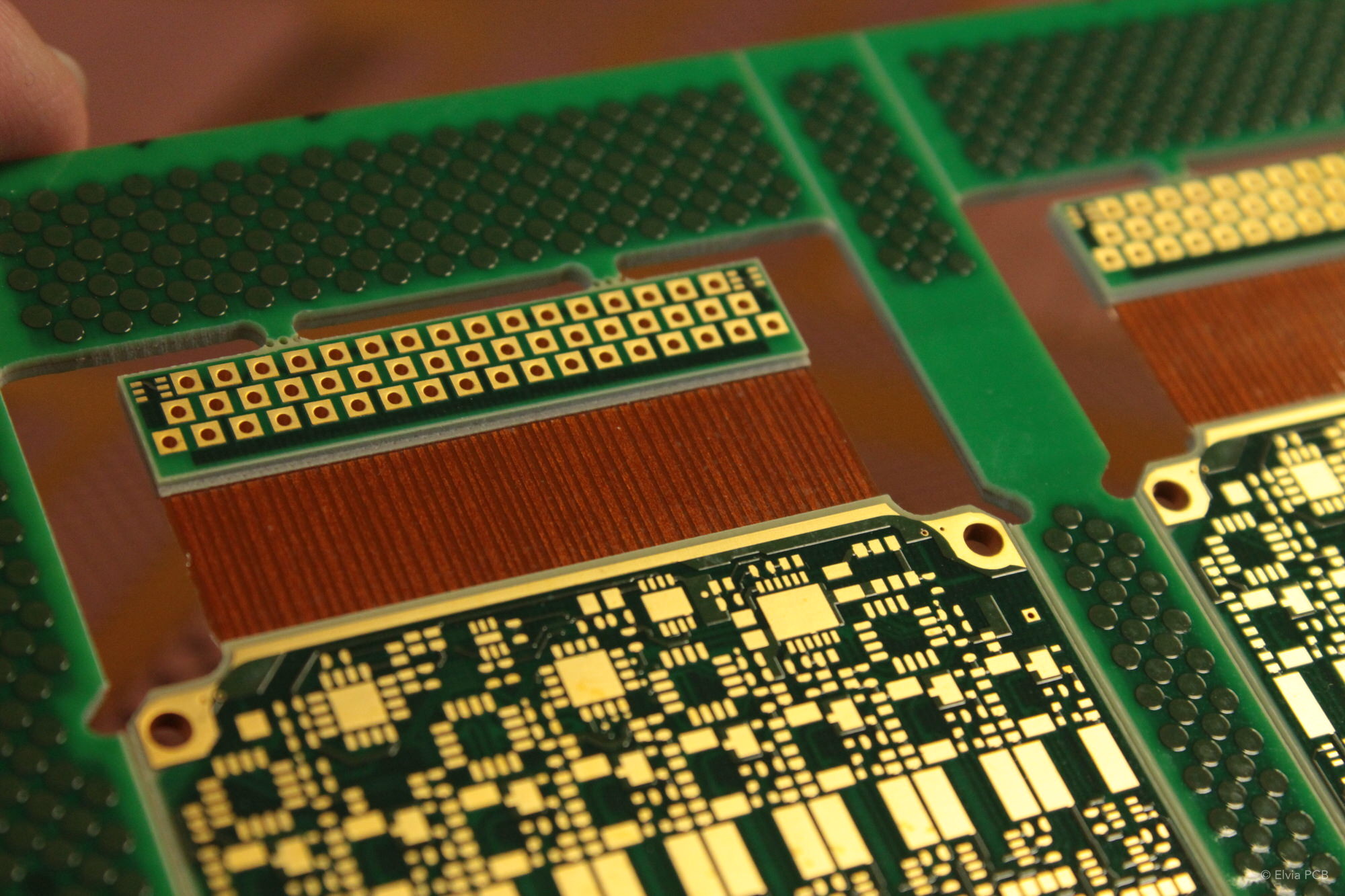
Rigid Flex Assemblies: An Overview for PCB Designers
Rigid flex assemblies (RFAs) integrate rigid printed circuit boards (PCBs) and flexible circuits into a single interconnect solution. They provide design flexibility to fit within confined spaces and enable 3D routing. As products become smaller and more complex, rigid flex is increasingly used in wearables, medical devices, aerospace, and consumer electronics. This article provides an…
-
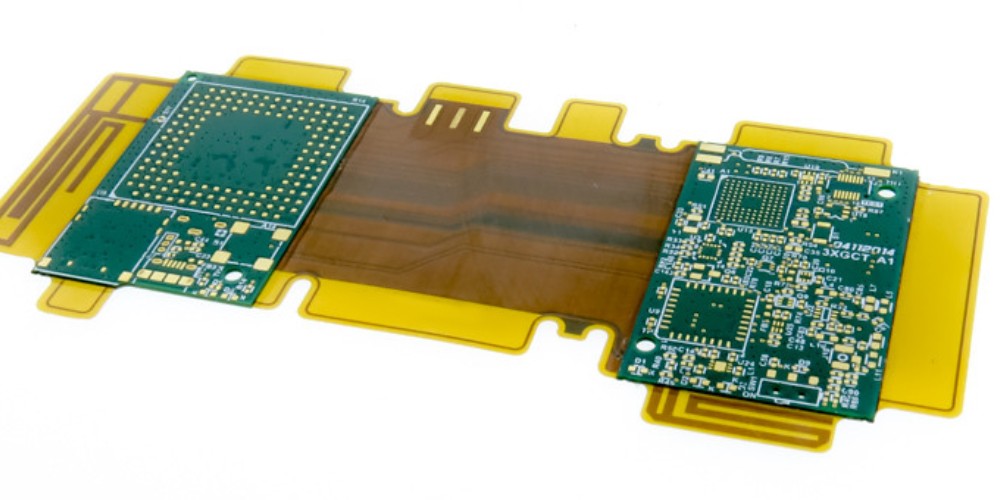
Rigid Flexible Printed Circuit Boards: A Complete Guide
Introduction to Rigid Flexible PCBs A rigid flexible printed circuit board (rigid flex PCB) combines rigid and flexible circuit boards into a single structure. As the name suggests, rigid flexible PCBs provide both rigidity and flexibility in the design. The rigid sections provide mechanical support while the flexible sections allow dynamic fit and 3-dimensional configuration.…
Blog
Archive
Categorise
Recent Posts
- Common Mode Choke Selection: A Comprehensive Guide
- Common Fab and Assembly Design Errors To Avoid – AltiumLive 2024
- Commodore 128 Principal Engineer, Bil Herd on Best Practices for Learning a New CAD Tool
- Collecting All the Pieces You Need: What is a Bill of Materials?
- Collaborative Design Software: Create PCB Schematic Symbols for any Component
