
-
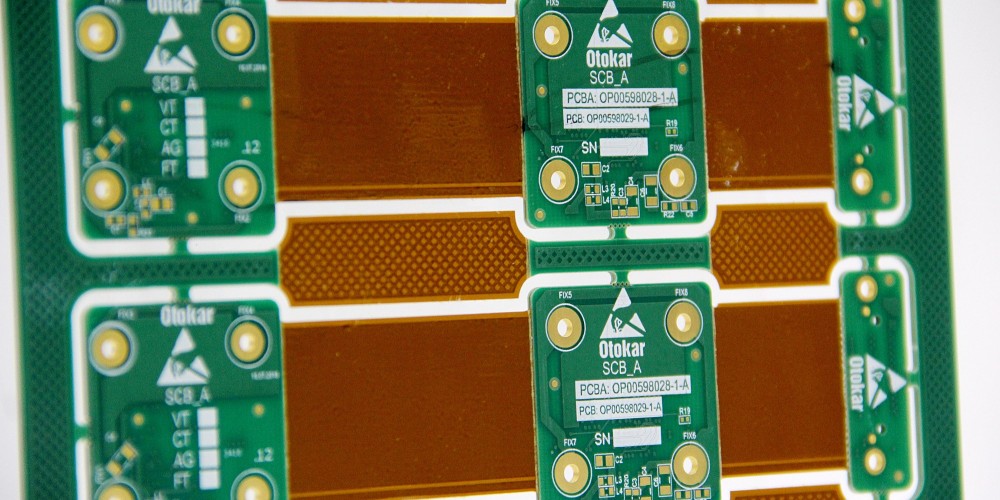
6 layer rigid and 2 layer flex PCBs – A Detailed Guide
Introduction Printed circuit boards (PCBs) form the backbone of electronics. They provide the platform to mount and interconnect electronic components using conductive copper traces etched from copper sheets laminated onto a non-conductive substrate. PCBs come in many configurations based on the number of conductive layers and type of substrate used. In this article, we will…
-
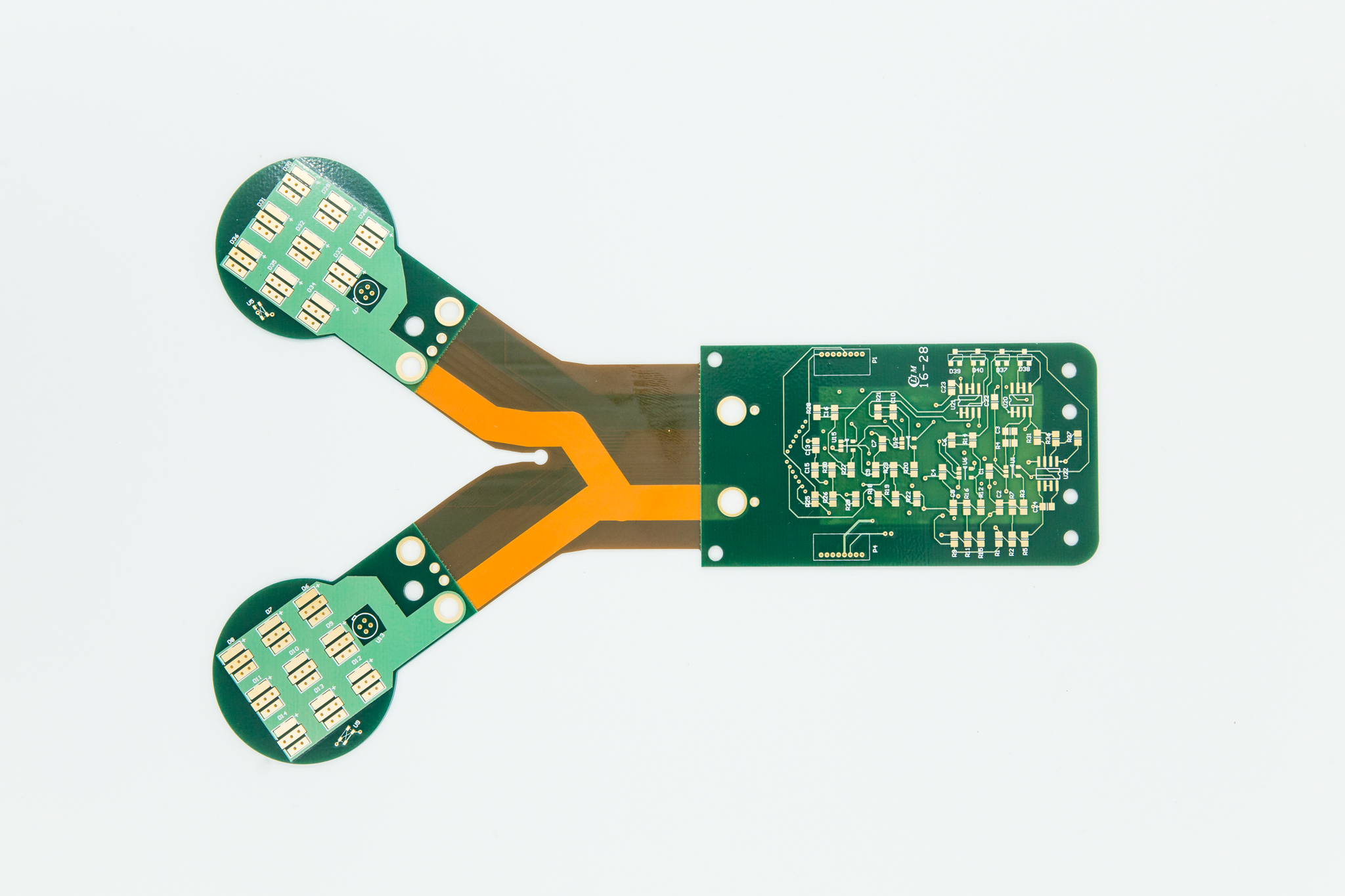
4 Layer Rigid Flex PCB Design and Manufacturing
Introduction to 4 Layer Rigid Flex PCBs A rigid-flex PCB is a printed circuit board that contains both rigid and flexible substrates laminated together to provide mechanical support as well as flexibility. The rigid sections provide stability while the flexible sections allow for dynamic configurations and three-dimensional placements. A 4 layer rigid-flex PCB contains 4…
-
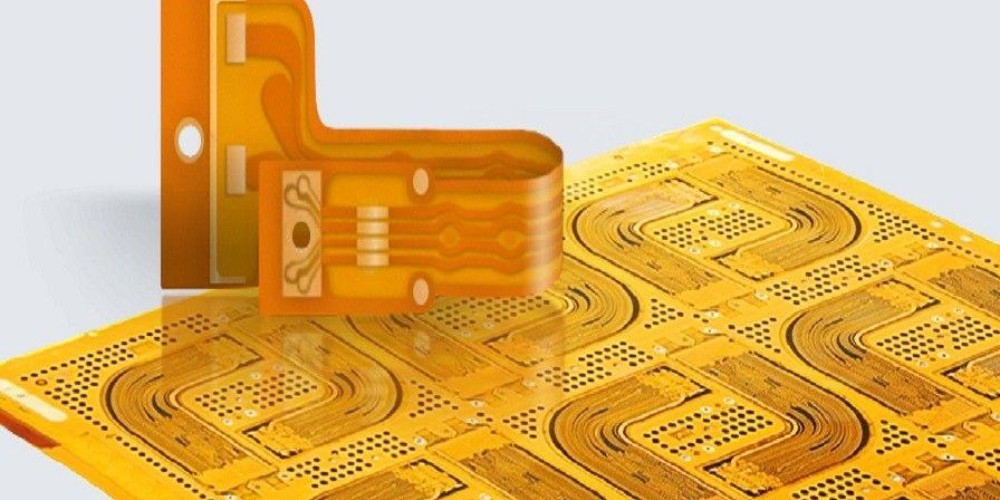
Flex Circuit PCBs: The Future of Electronics Design
Introduction Flex circuit PCBs, also known as flex PCBs or flex circuits, represent an exciting advancement in printed circuit board (PCB) design. As the name suggests, flex circuits can bend and flex, allowing for much more versatile PCB implementations compared to traditional rigid boards. The applications for flex PCBs are vast, spanning across consumer electronics,…
-
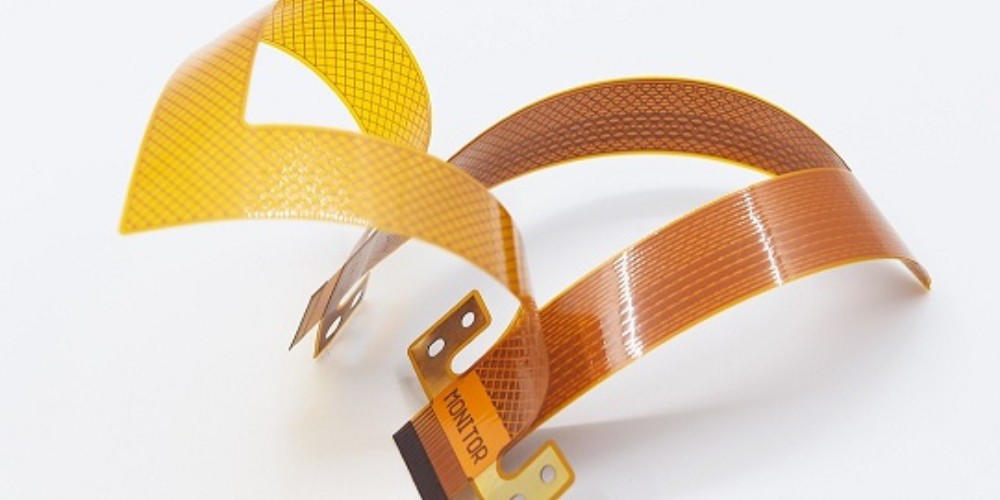
The Ins and Outs of PC Board Flexibility
Introduction Printed circuit boards, commonly known as PCBs, are integral components of most modern electronic devices. As technology advances, PCBs are becoming smaller, denser, and more complex. This increasing complexity brings new challenges in terms of the physical design and manufacturing of PCBs. One such challenge is dealing with board flexibility, which relates to how…
-
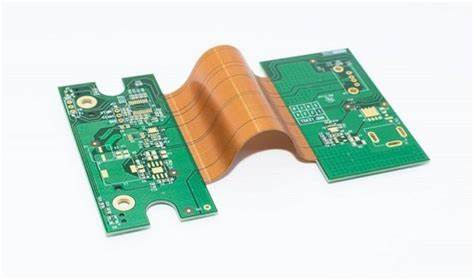
Rigid Flex Circuit Design: A Complete Guide for Engineers
Introduction to Rigid Flex Circuits Rigid flex circuits, also known as flex-rigid circuits, are a type of printed circuit board (PCB) that consist of rigid and flexible substrates laminated together. The rigid sections provide mechanical support and mounting points, while the flexible sections allow dynamic flexing and connections between components. Rigid flex circuits open up…
-
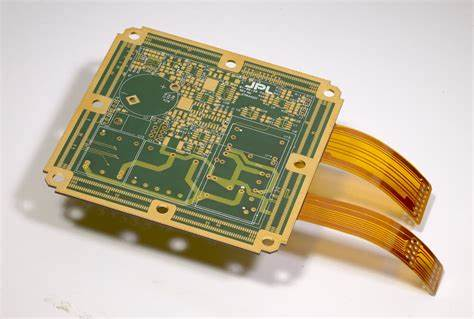
Rigid and Flexible Printed Circuit Boards: A Comparison
Introduction to PCBs A printed circuit board (PCB) is a board made of insulating material like fiberglass, composite epoxy, or other laminate materials, used to mechanically support and electrically connect electronic components using conductive pathways or traces. PCBs provide the necessary foundation for circuit designs and allow components to be interconnected in a compact format.…
-
Flex Harness PCB: An In-Depth Guide
What is a Flex Harness PCB? A flex harness PCB, also known as a flexible printed circuit board (FPCB) or flex circuit, is a type of printed circuit board that is made of a flexible polymer material like polyimide or polyester. Unlike traditional rigid PCBs, flex harnesses can bend and flex to accommodate different form…
-
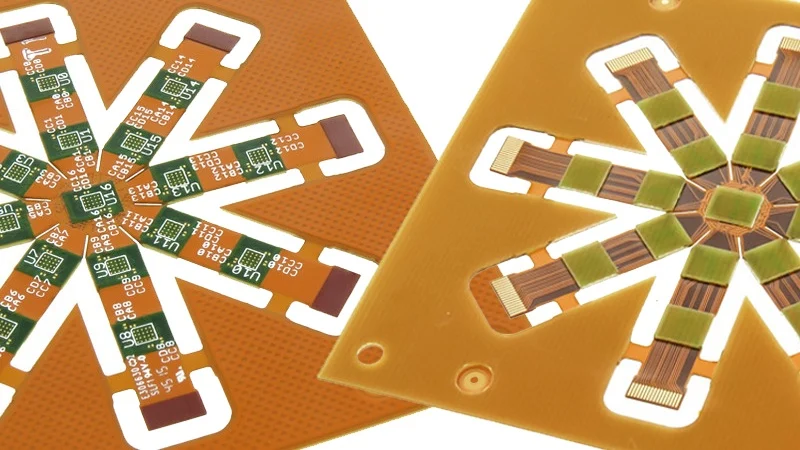
The Advantages and Applications of HDI Rigid-Flex PCBs
Introduction High-density interconnect (HDI) rigid-flex printed circuit boards (PCBs) have become increasingly popular in recent years due to their ability to meet the needs of complex and compact electronic devices. HDI technology allows for finer lines and spaces, smaller vias, and higher connection densities than traditional PCBs. When combined with rigid-flex construction, HDI enables even…
Blog
Archive
Categorise
Recent Posts
- Common Mode Choke Selection: A Comprehensive Guide
- Common Fab and Assembly Design Errors To Avoid – AltiumLive 2024
- Commodore 128 Principal Engineer, Bil Herd on Best Practices for Learning a New CAD Tool
- Collecting All the Pieces You Need: What is a Bill of Materials?
- Collaborative Design Software: Create PCB Schematic Symbols for any Component
