
-
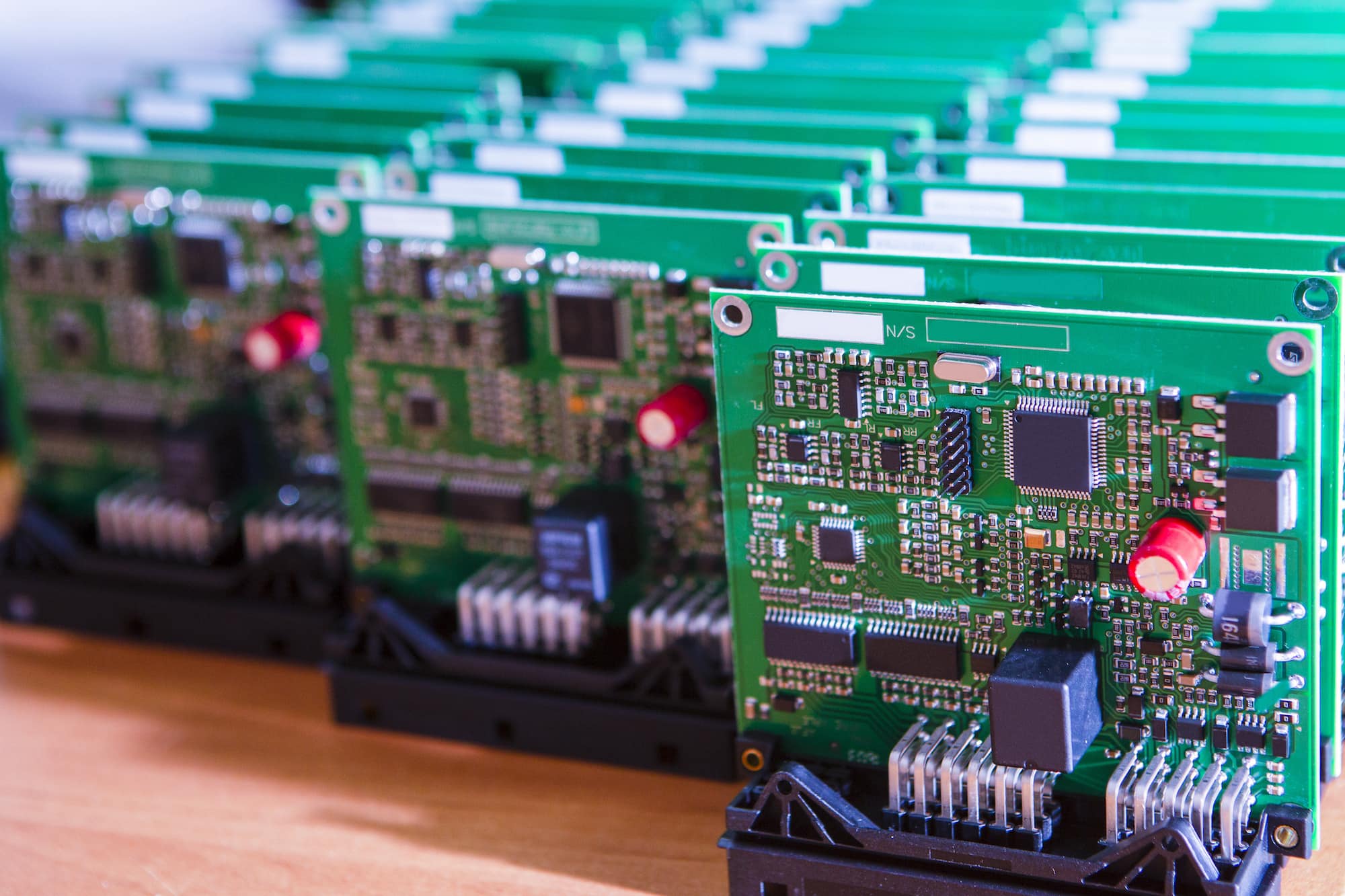
What is the difference between PCB assembly and PCB manufacturing?
What is the difference between PCB assembly and PCB manufacturing? Introduction Printed circuit boards (PCBs) form the core of electronics hardware, providing the foundation for mounting and interconnecting electronic components. There are two key parts of realizing a functional PCB – 1. PCB Manufacturing: Producing the bare printed circuit board 2. PCB Assembly: Stuffing components…
-
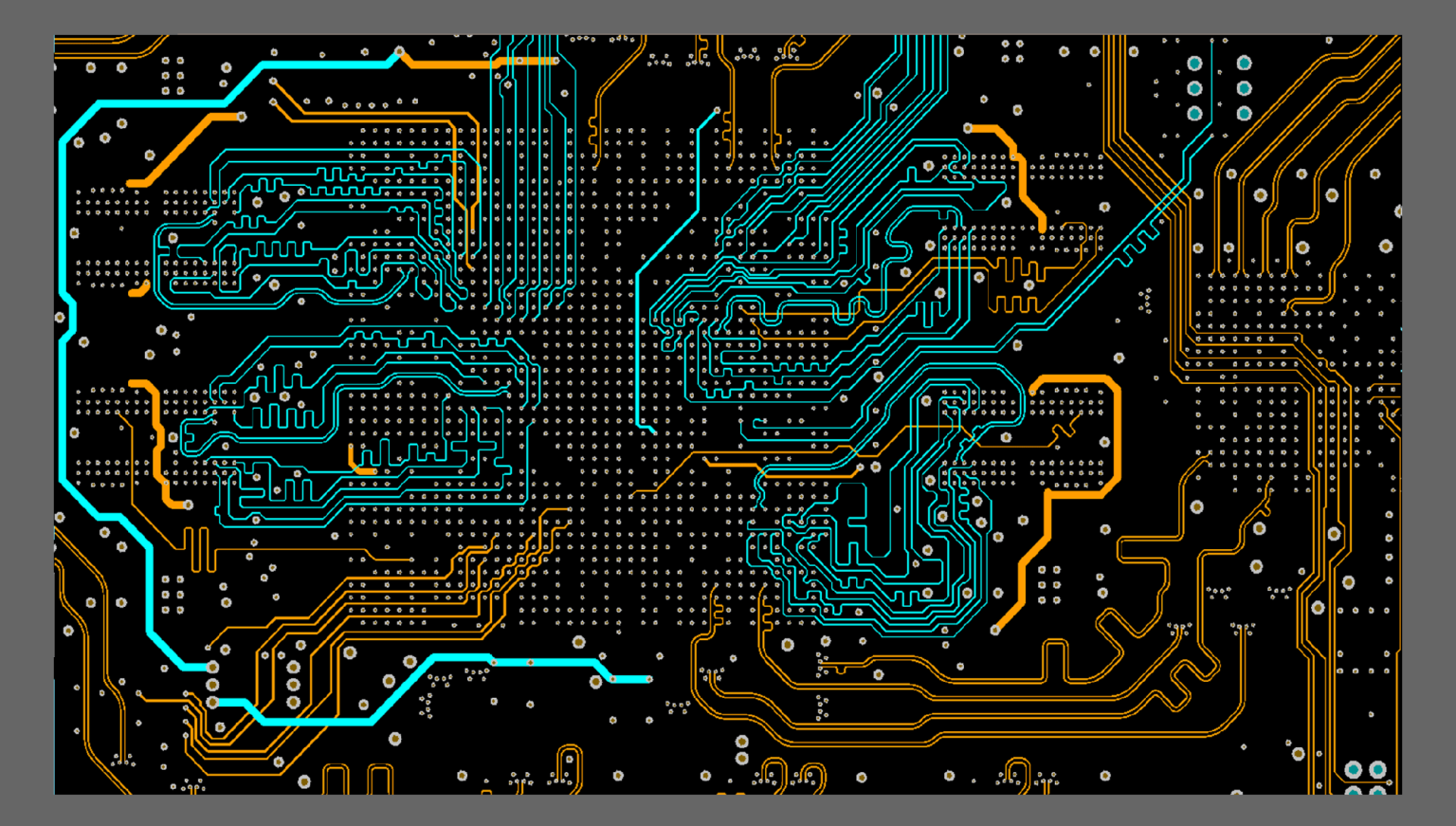
What is the PCB design?
Introduction to PCBs A printed circuit board (PCB) is a board made of fiberglass or other insulating materials that interconnect electronic components using conductive copper tracks and pads. PCBs provide mechanical support and electrical connections between components in electronic devices like computers, mobile phones, industrial control systems, medical equipment etc. PCB design is the process…
-
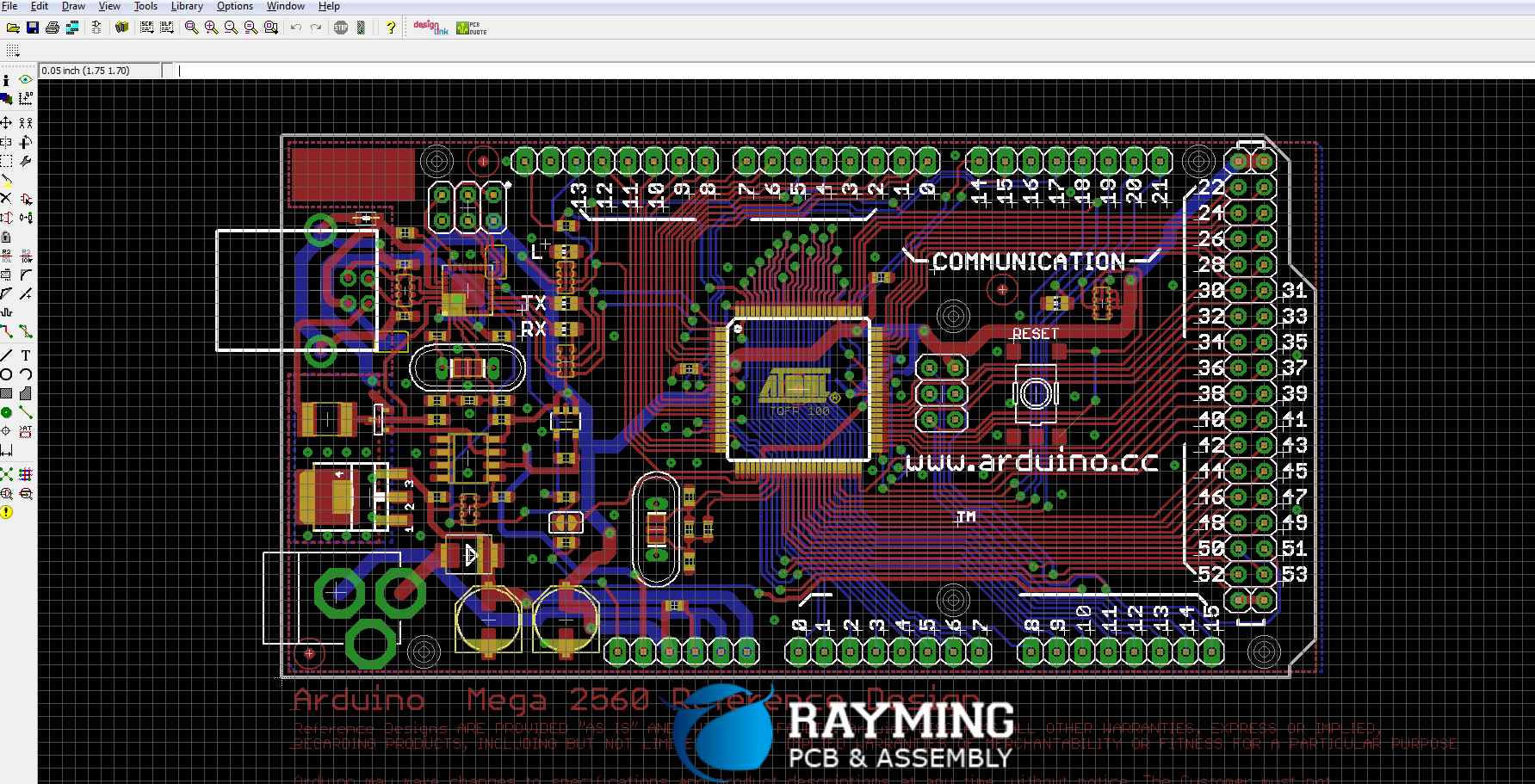
What is the PCB Development Process?
In the ever-evolving world of electronics, Printed Circuit Boards (PCBs) are the backbone of countless devices and systems we interact with daily. From smartphones and laptops to industrial control systems and medical equipment, PCBs play a crucial role in enabling the functionality and reliability of these products. However, the journey from an initial concept to…
-
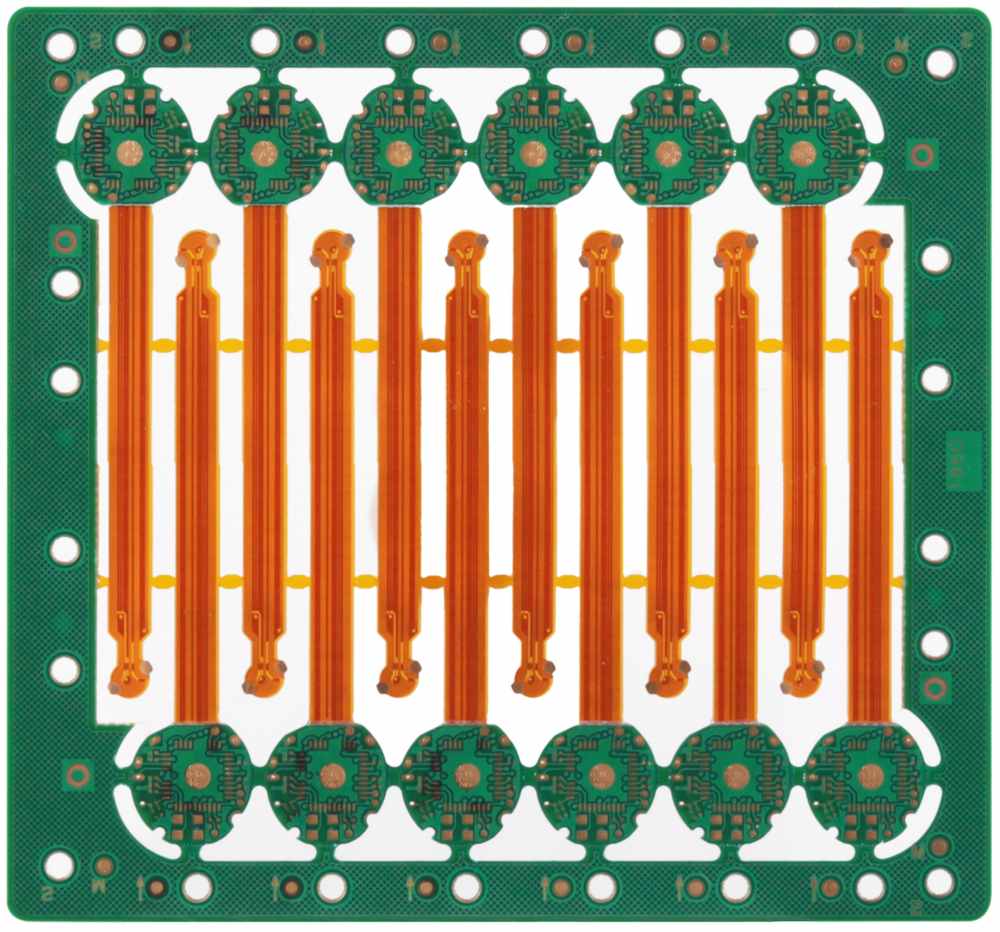
Rigid-Flex PCB Stackup
Introduction A rigid-flex printed circuit board (PCB) combines rigid and flexible circuit boards into a single structure. This allows the PCB to bend and flex in certain areas while maintaining rigidity in others. Rigid-flex PCBs provide many advantages in electronics and technology products where space, weight, and flexibility are important design considerations. Properly designing the…
-
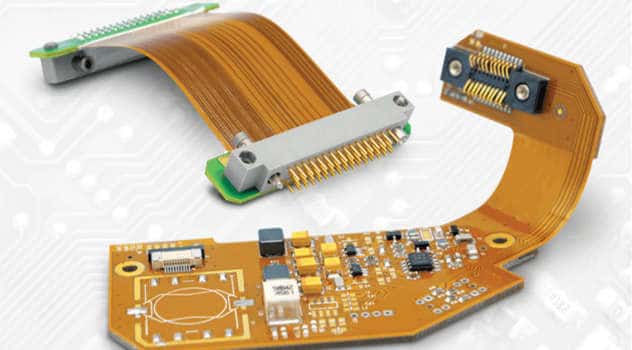
Industrial Rigid Flex PCB
Rigid-flex PCBs, also known as rigid flex circuits, combine rigid and flexible circuit boards into a single structure. They provide solutions for electronic devices and components that require a blend of rigidity for sturdiness and multiple layers for complex circuitry, along with flexibility for motion or convenient packaging. Industrial rigid flex PCBs are designed to…
-
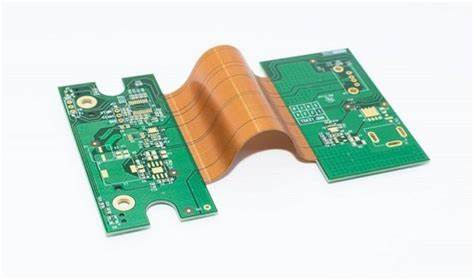
Robotic Rigid Flex PCBs: Design, Manufacturing, and Applications
Introduction Rigid-flex printed circuit boards (PCBs) are increasingly being used in robotics and other advanced electronics applications. Also known as flex-rigid PCBs, these boards combine rigid circuit board sections with flexible interconnects on a single PCB unit. The flexible sections allow the rigid sections to bend and flex as needed for complex 3D assemblies. Rigid-flex…
-
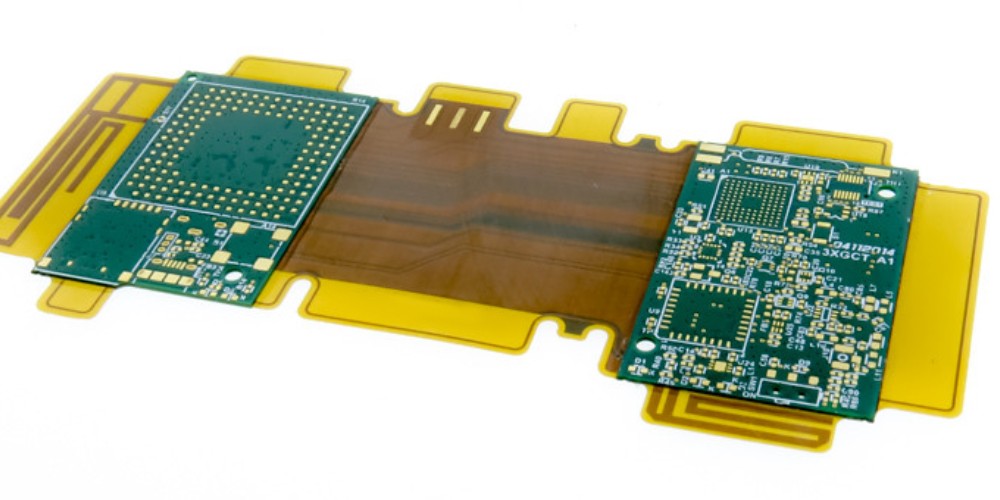
Military Rigid Flex PCB Design and Manufacturing
Introduction Rigid Flex Printed Circuit Boards (PCBs) are increasingly being adopted for use in military and defense applications that demand reliability, durability and high performance in extreme environments. Rigid Flex PCBs provide the ability to integrate rigid and flexible materials onto a single circuit board, allowing for greater flexibility in product design, more efficient use…
-
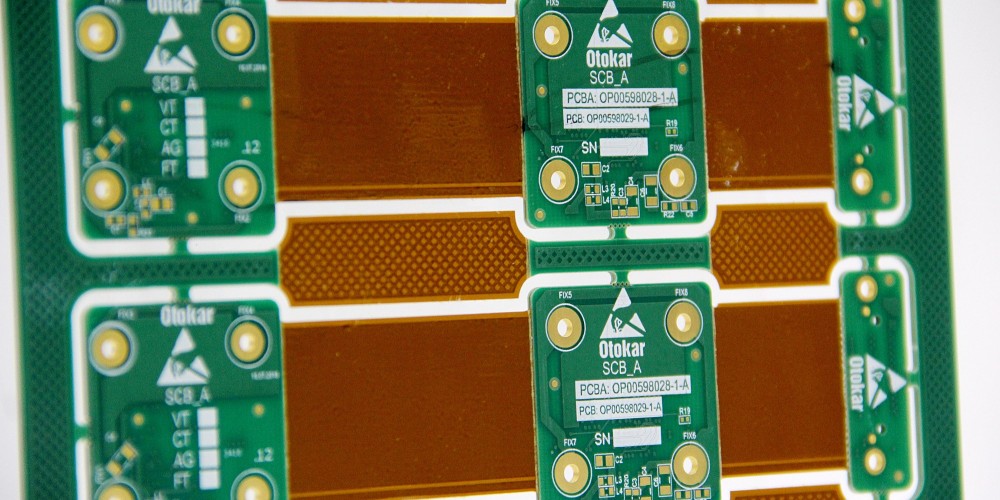
Medical Rigid Flex PCBs: A Guide to Design and Applications
Rigid-flex PCBs, also known as rigid flex circuits, combine rigid and flexible circuit boards into a single integrated assembly. They provide solutions for complex interconnections and spatial requirements in electronic devices. In medical devices, rigid-flex PCBs enable designs that improve reliability, reduce size and weight, and enhance functionality. This article provides an overview of medical…
Blog
Archive
Categorise
Recent Posts
- Common Mode Choke Selection: A Comprehensive Guide
- Common Fab and Assembly Design Errors To Avoid – AltiumLive 2024
- Commodore 128 Principal Engineer, Bil Herd on Best Practices for Learning a New CAD Tool
- Collecting All the Pieces You Need: What is a Bill of Materials?
- Collaborative Design Software: Create PCB Schematic Symbols for any Component
