
-
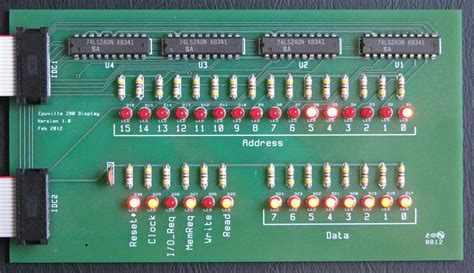
Data Bus: The Powerful Subsystem for Data Transfer
How a Data Bus Works A data bus consists of a set of parallel electrical conductors that connect the internal components of a computer, such as the CPU, memory, and peripherals. The bus is responsible for carrying data, memory addresses, control signals, and power to the various components. The data bus works by transmitting data…
-
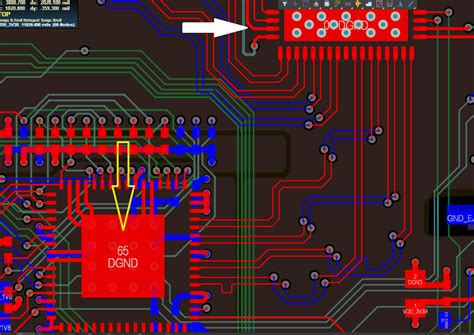
PCB Routing Tips for Beginners
Introduction to PCB routing PCB routing is a critical step in the design and fabrication of printed circuit boards (PCBs). It involves creating the conductive paths that connect the various components on the board, ensuring proper functionality and signal integrity. For beginners, PCB routing can be a daunting task, as it requires a good understanding…
-
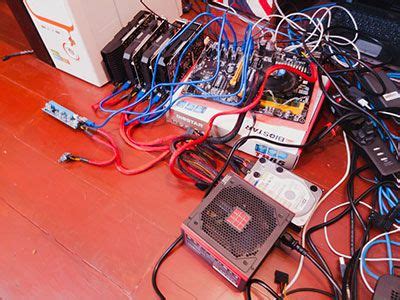
PIC32 vs. STM32: Everything You Need To Know
Introduction When it comes to choosing a 32-bit microcontroller for your embedded project, two of the most popular options are the PIC32 family from Microchip and the STM32 series from STMicroelectronics. Both offer a wide range of devices with impressive performance and features. However, there are some key differences between PIC32 and STM32 that are…
-
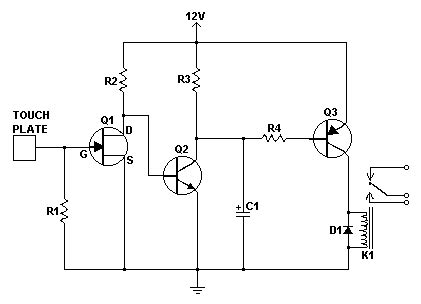
Touch Switch Circuits – Getting Started with Simple Circuits
Introduction to Touch Switch Circuits Touch switch circuits are a simple and intuitive way to control electronic devices. Unlike mechanical switches that require physical pressure, touch switches rely on the conductivity of human skin to activate. When a person touches two contacts on the switch, a small current flows, triggering the circuit to turn on…
-
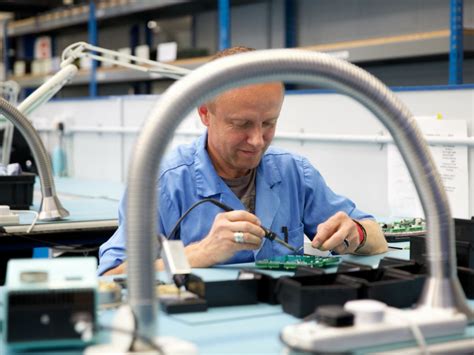
6 Tips on How To Repair Printed Circuit Board
Introduction Printed Circuit Boards (PCBs) are the backbone of modern electronics. They are used in almost every electronic device, from smartphones and laptops to televisions and industrial equipment. PCBs are designed to be durable and reliable, but they can still suffer from damage or malfunction over time. When a PCB fails, it can be a…
-

Forecast of Military Electronics Market
Introduction to Military Electronics Military electronics, also known as defense electronics, refer to electronic systems and devices designed for military applications. These electronics are used in various military equipment, such as communication systems, surveillance devices, navigation tools, and weapon systems. The military electronics market is a significant segment of the global defense industry, and it…
-

Ultimate Guide to Selective Gold Plating PCBs
Introduction to Gold plating PCBs Gold plating is a popular finishing process for printed circuit boards (PCBs) that involves depositing a thin layer of gold onto specific areas of the board. This process is known as selective gold plating, as it targets only the areas that require the unique properties of gold, such as connectors,…
-
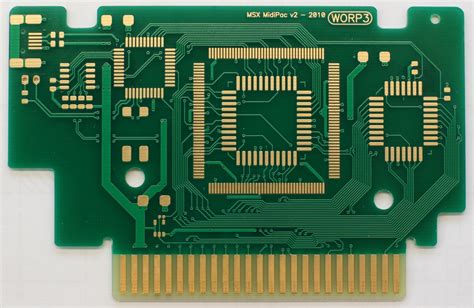
Why Use Gold Rather Than Silver And Copper in PCB Fabrication
Introduction to Gold in PCB Fabrication Gold (Au) is a precious metal that has been used for thousands of years in jewelry, coins, and other decorative items due to its beauty, rarity, and resistance to corrosion. In recent decades, gold has also found an important role in the electronics industry, particularly in the fabrication of…
Blog
Archive
Categorise
Recent Posts
- Common Mode Choke Selection: A Comprehensive Guide
- Common Fab and Assembly Design Errors To Avoid – AltiumLive 2024
- Commodore 128 Principal Engineer, Bil Herd on Best Practices for Learning a New CAD Tool
- Collecting All the Pieces You Need: What is a Bill of Materials?
- Collaborative Design Software: Create PCB Schematic Symbols for any Component
