
-
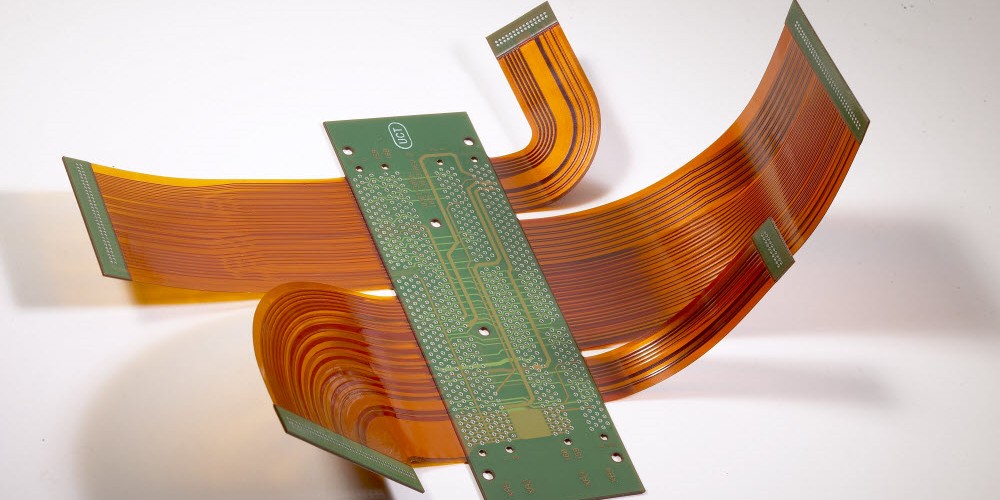
Fast Turn Rigid Flex PCBs: Enabling Faster Time-to-Market for New Electronics
Introduction Printed circuit boards (PCBs) are essential components in nearly all modern electronics, from computers and smartphones to medical devices and industrial equipment. Rigid-flex PCBs, which combine rigid and flexible PCB materials in one design, offer unique advantages for many applications with their ability to flex and bend. For companies developing new electronics, having fast…
-
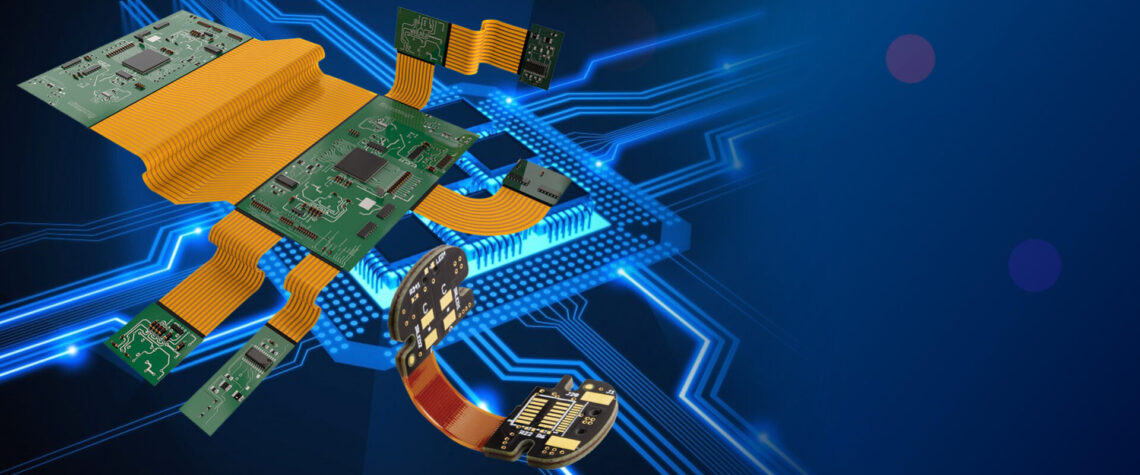
The Ultimate Guide to Flexible PCB Boards
What is a Flexible PCB Board? A flexible printed circuit board (flex PCB or flex circuit) is a type of printed circuit board made of flexible insulating substrate material such as polyimide or polyester. The conductive pathways are printed or bonded onto the flexible substrate. Flex PCBs allow for dynamic flexing, vibration dampening, and installation…
-
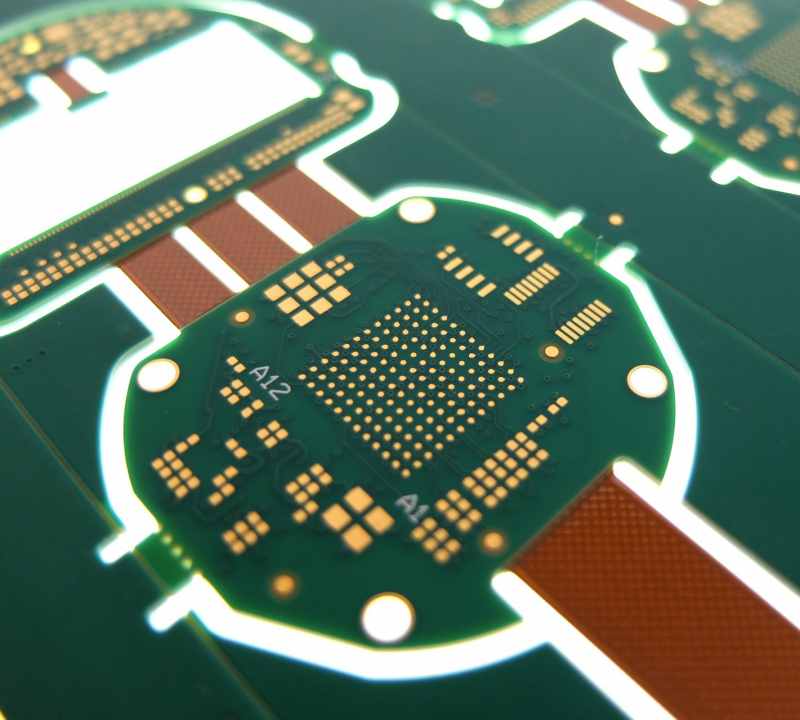
Selecting a Flexible Printed Circuit Board Manufacturer
Introduction Flexible printed circuit boards (flex PCBs) are a vital component in many of today’s electronic devices. Choosing the right flex PCB manufacturer is key to getting high quality, reliable flexible circuits boards delivered on time and within budget. This guide covers the capabilities to look for when selecting a flex PCB production partner. Flex…
-
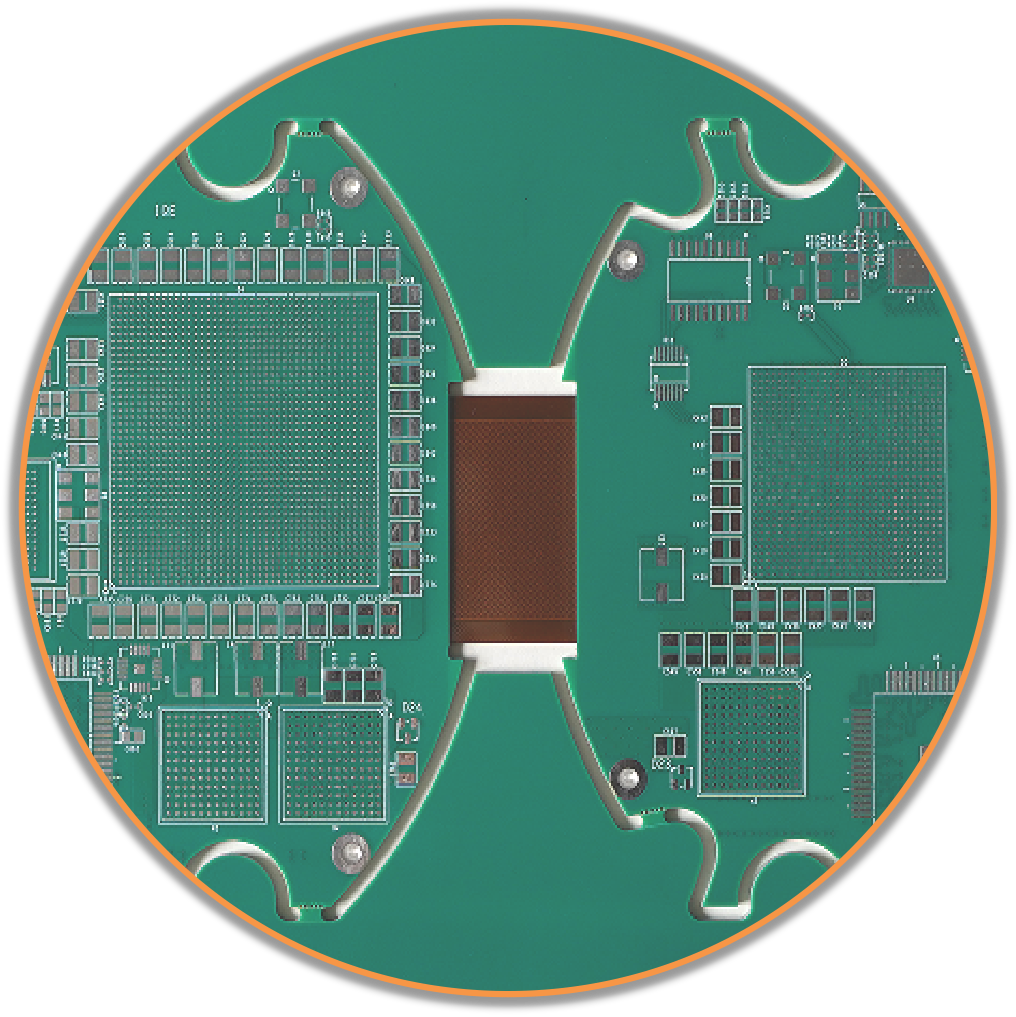
Flexible Circuit Boards: An Overview of Technology and Applications
Introduction Flexible circuit boards, also known as flex circuits, are a type of printed circuit board made from flexible materials such as polyimide or polyester films. Unlike traditional rigid circuit boards, flexible circuit boards can bend and flex while still maintaining their electrical connections. This ability to dynamically change shape makes flexible circuit boards well-suited…
-
The Advantages of Rigid-Flex PCBs
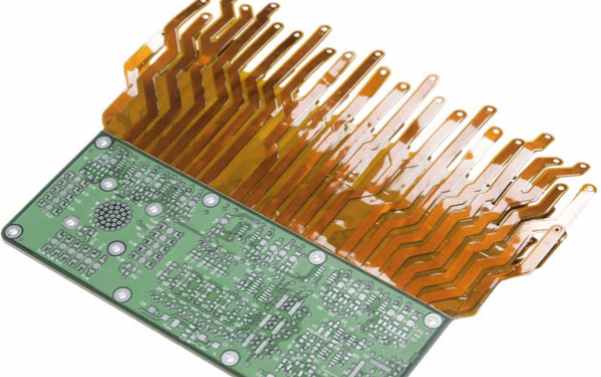
Introduction to Rigid-Flex PCBs Rigid-flex PCBs, also known as flex-rigid PCBs, are circuit boards that consist of rigid and flexible substrates laminated together into a single structure. The rigid sections provide stability while the flexible sections allow dynamic flexing and bending. This combination offers numerous advantages over rigid PCBs or flexible PCBs alone. Rigid-flex PCBs…
-
Everything You Need to Know About Rigid PCBs
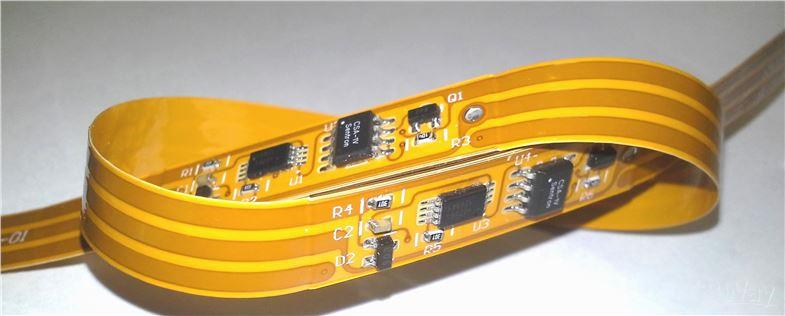
What is a Rigid PCB? A rigid printed circuit board (PCB) is the most common type of PCB. It consists of an insulating substrate made up of materials like FR-4 (fiberglass reinforced epoxy), polyimide, Arlon, Rogers, etc. The substrate has conductive copper traces etched on top and bottom that are used to connect various components.…
-
What is the thinnest flex PCB?
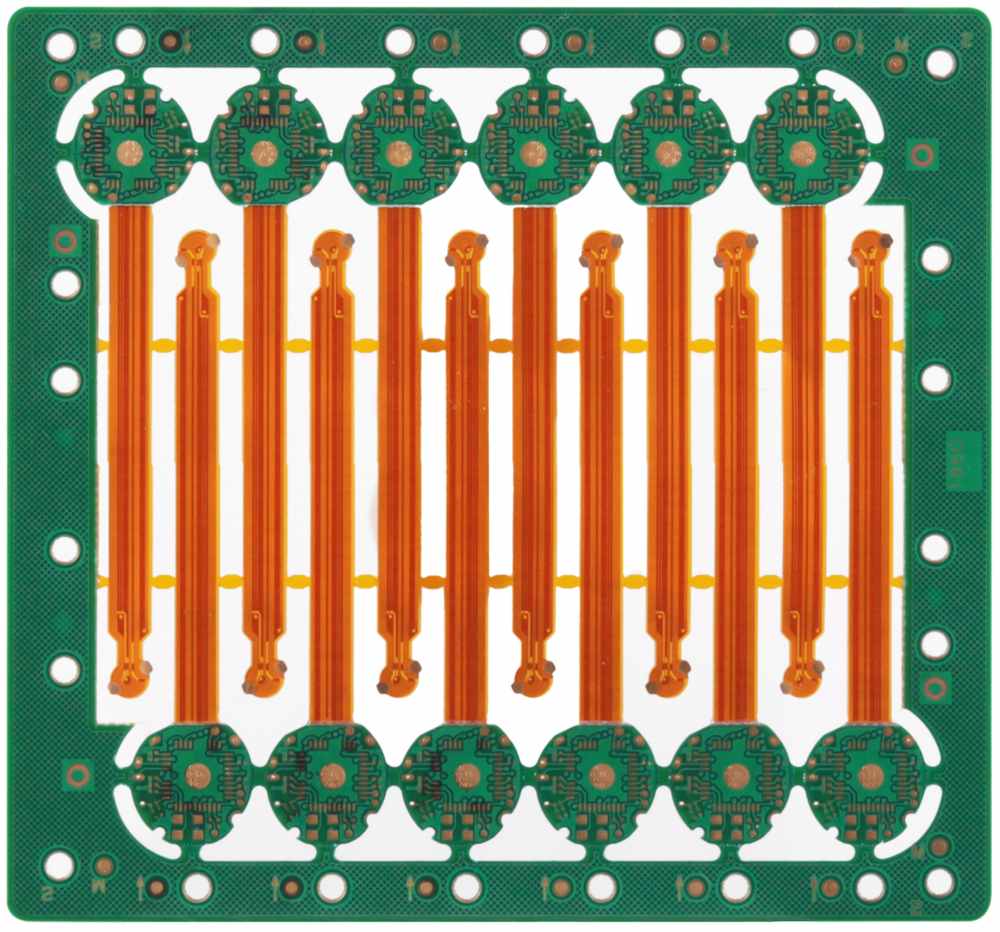
Introduction A printed circuit board (PCB) is the base for wiring and supporting electronic components in most modern electronic devices. A flex PCB, also known as a flexible printed circuit board or flex circuit, is a type of PCB that is flexible and can bend and flex. Flex PCBs are made with flexible dielectric materials…
-
Semi-Flexible Printed Circuit Boards: A Guide
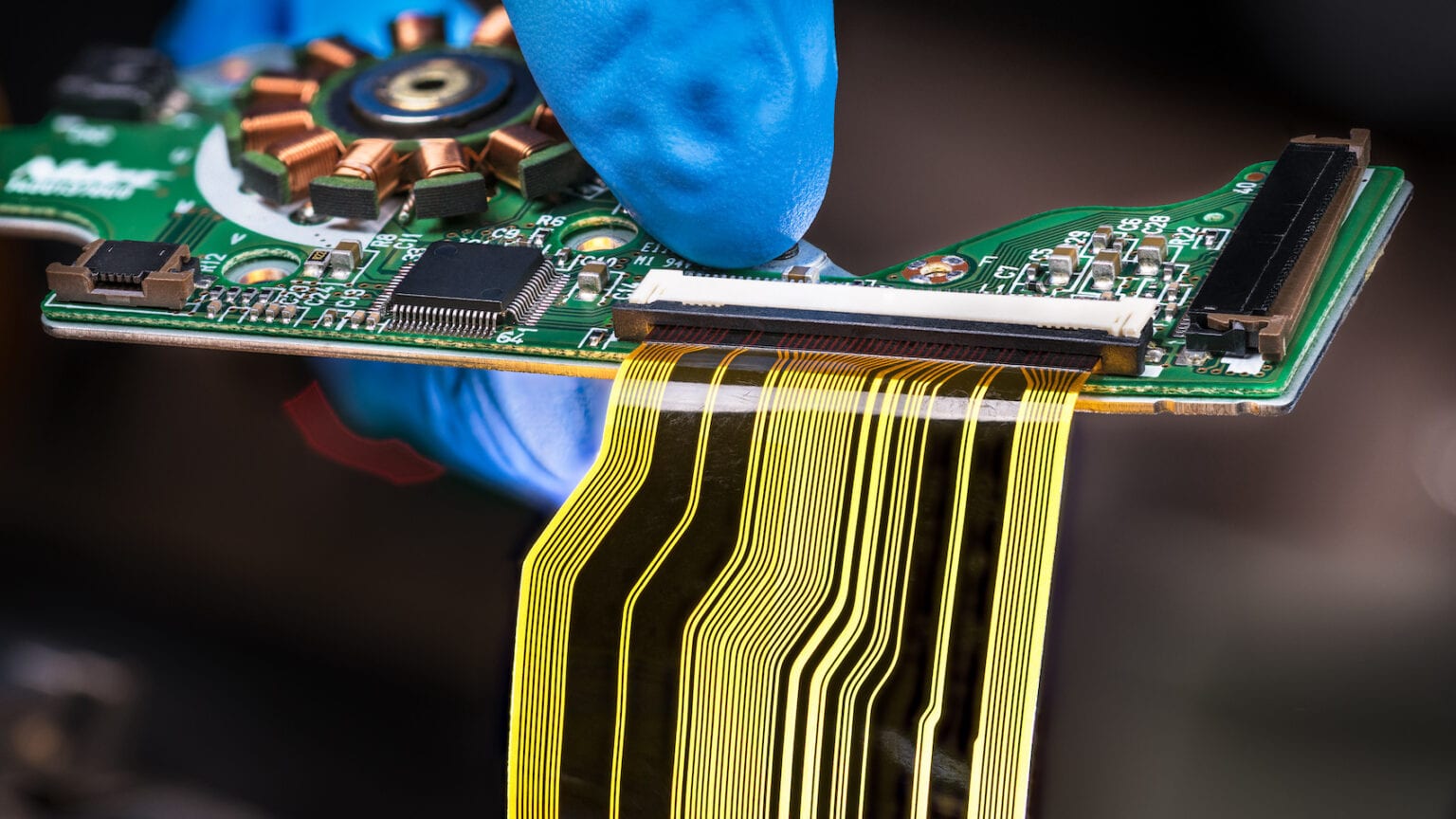
Introduction to Semi-Flex PCBs A semi-flex printed circuit board (PCB) is a type of circuit board that combines the characteristics of both rigid PCBs and flexible PCBs. As the name suggests, semi-flex PCBs offer some degree of flexibility but are not as flexible as pure flexible PCBs. Semi-flex PCBs contain flexible substrate materials like polyimide…
-
How Much Do Flexible PCBs Cost?
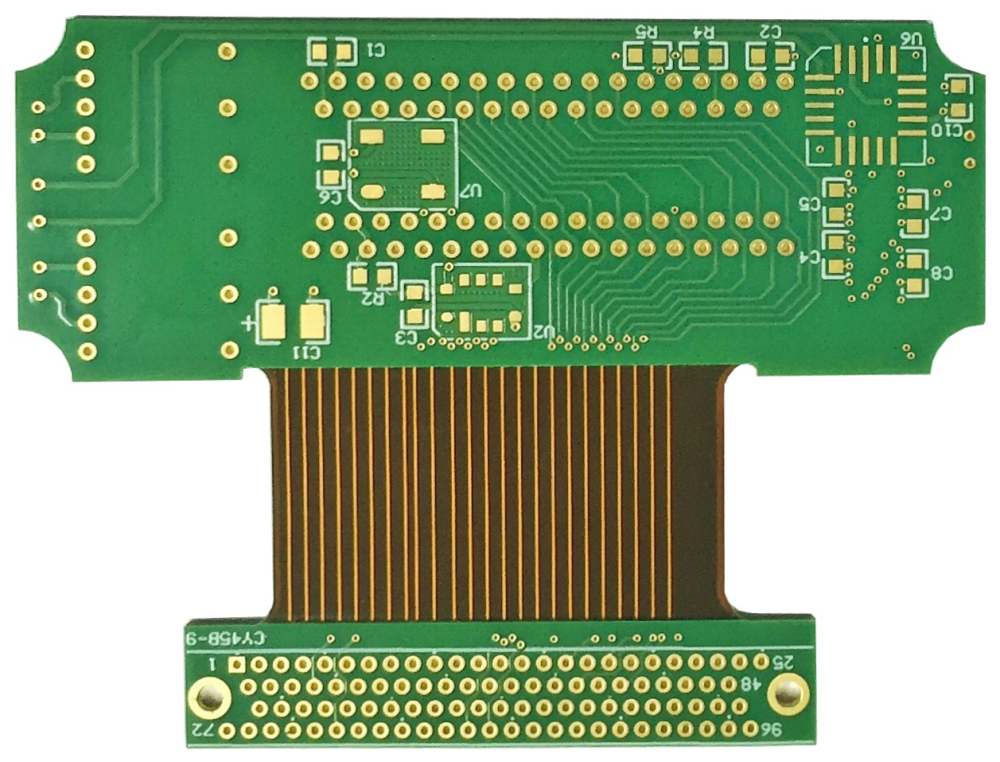
Flexible printed circuit boards (flex PCBs) provide unique capabilities for bending and dynamic flexing in electronic devices. But what is the cost for these versatile boards? The pricing for flex PCBs depends on several key factors. Flex Circuit Cost Factors The main drivers of cost for flex PCBs are: Optimizing these factors allows flex PCB…
-
How thick is a flex PCB?
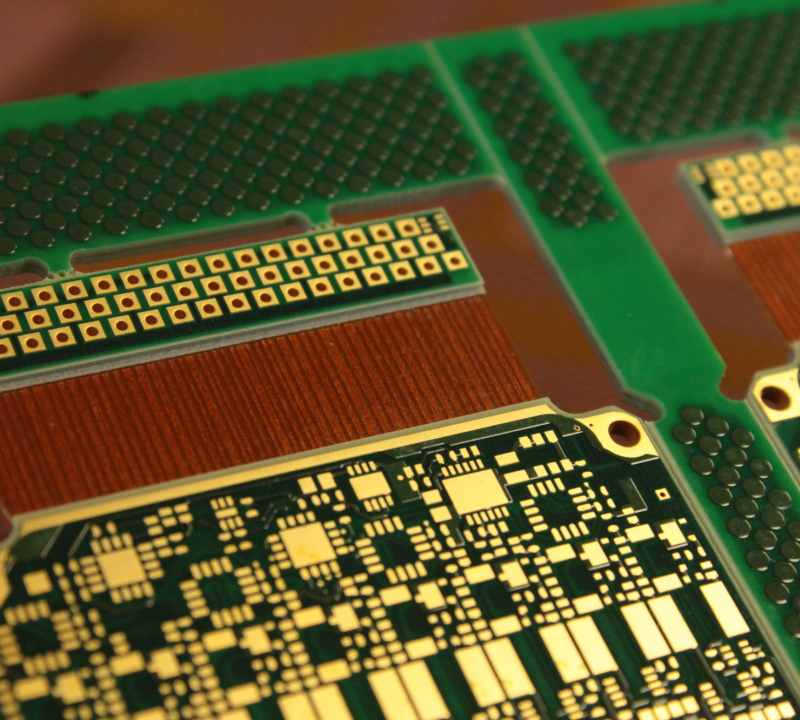
Flexible printed circuit boards (flex PCBs) have become increasingly popular in recent years due to their ability to bend and flex to fit constrained spaces in electronic devices. But how thick are flex PCBs? The thickness can vary quite a bit based on the number of conductive layers and type of material used. Typical Thickness…

August 2023
Archive
Categorise
Recent Posts
- Common Mode Choke Selection: A Comprehensive Guide
- Common Fab and Assembly Design Errors To Avoid – AltiumLive 2024
- Commodore 128 Principal Engineer, Bil Herd on Best Practices for Learning a New CAD Tool
- Collecting All the Pieces You Need: What is a Bill of Materials?
- Collaborative Design Software: Create PCB Schematic Symbols for any Component
