
-
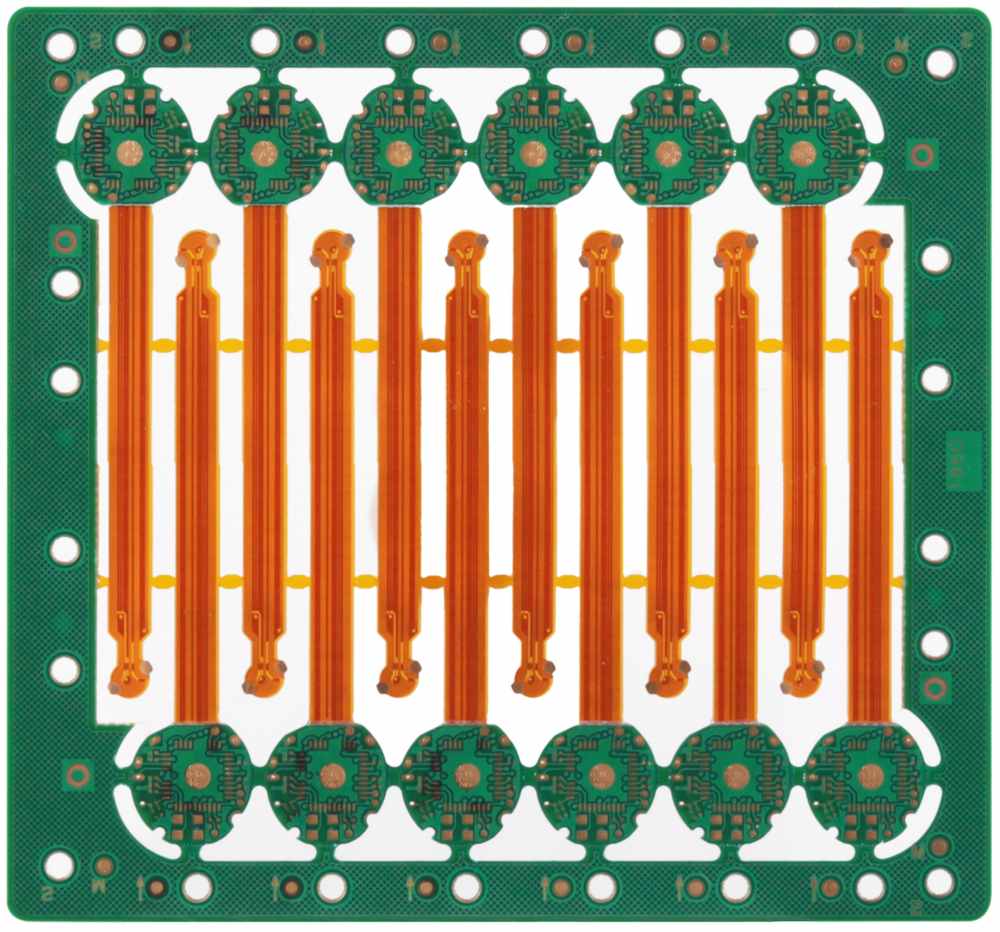
What is the difference between rigid-flex and semi-flex?
Introduction Printed circuit boards (PCBs) are essential components of most modern electronic devices. There are several types of PCBs, with two major categories being rigid PCBs and flexible PCBs (flex PCBs). Within flex PCBs, there are sub-categories like rigid-flex PCBs and semi-flex PCBs. This article will examine the key differences between rigid-flex and semi-flex PCBs.…
-
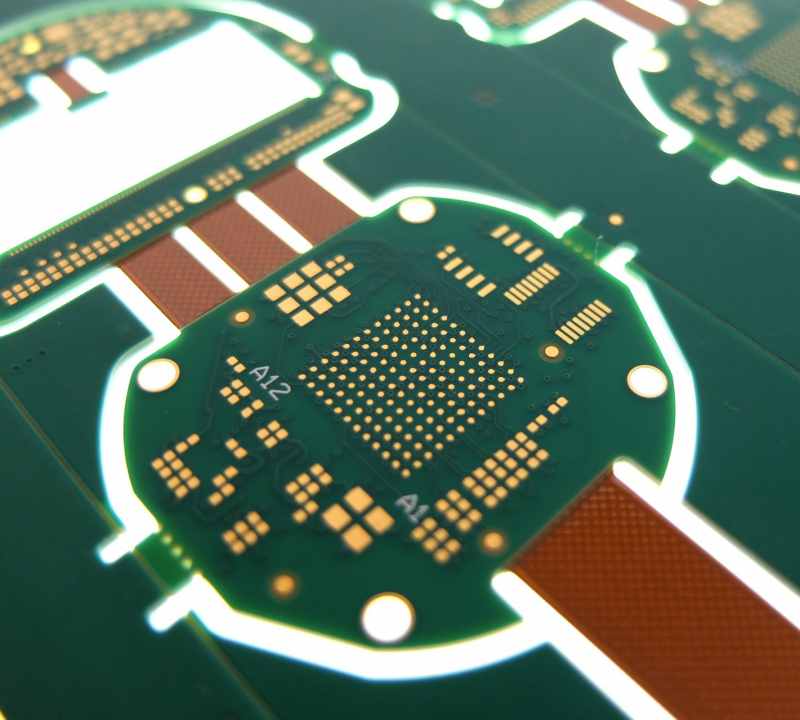
What is the difference between FPC and rigid-Flex?
Flexible printed circuits (FPCs) and rigid-flex PCBs are two types of flexible circuit boards that allow bending and flexing in electronic devices. However, there are some key differences between FPC and rigid-flex technology: FPC Construction FPCs consist of conductive copper traces etched on a thin, flexible dielectric base layer such as polyimide. The polyimide substrate…
-
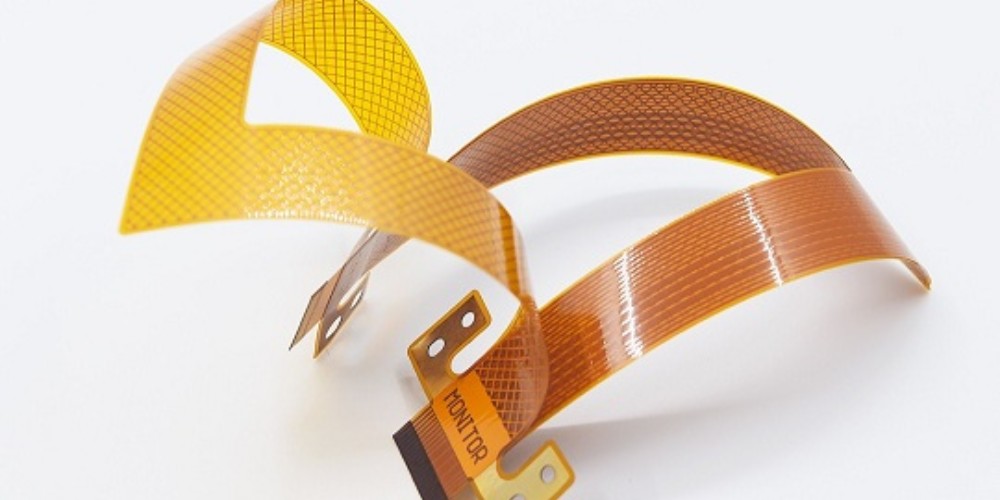
Why is Flex PCB so expensive?
Flexible printed circuit boards (flex PCBs) have become increasingly popular in modern electronics due to their ability to bend and flex. However, flex PCBs come at a higher cost compared to their rigid PCB counterparts. There are several factors that contribute to the higher prices of flex PCBs: Raw Material Costs Base Materials The base…
-
What are the disadvantages of rigid-flex PCB?
Rigid-flex printed circuit boards (PCBs) combine rigid and flexible circuitry into a single component, providing more design flexibility compared to traditional rigid PCBs. However, rigid-flex PCBs also come with some drawbacks that designers should consider. Higher cost One of the main disadvantages of rigid-flex PCBs is their higher cost compared to rigid PCBs. There are…
-
Where are rigid flex PCB used?
Introduction Rigid-flex printed circuit boards (PCBs) are increasingly being used in a wide variety of applications and industries. This unique technology combines rigid circuit boards and flexible circuits into a single integrated assembly. The rigid sections provide stability for component mounting while the dynamic flexible interconnects enable three-dimensional configurations, motion and compact folding. Rigid flex…
-
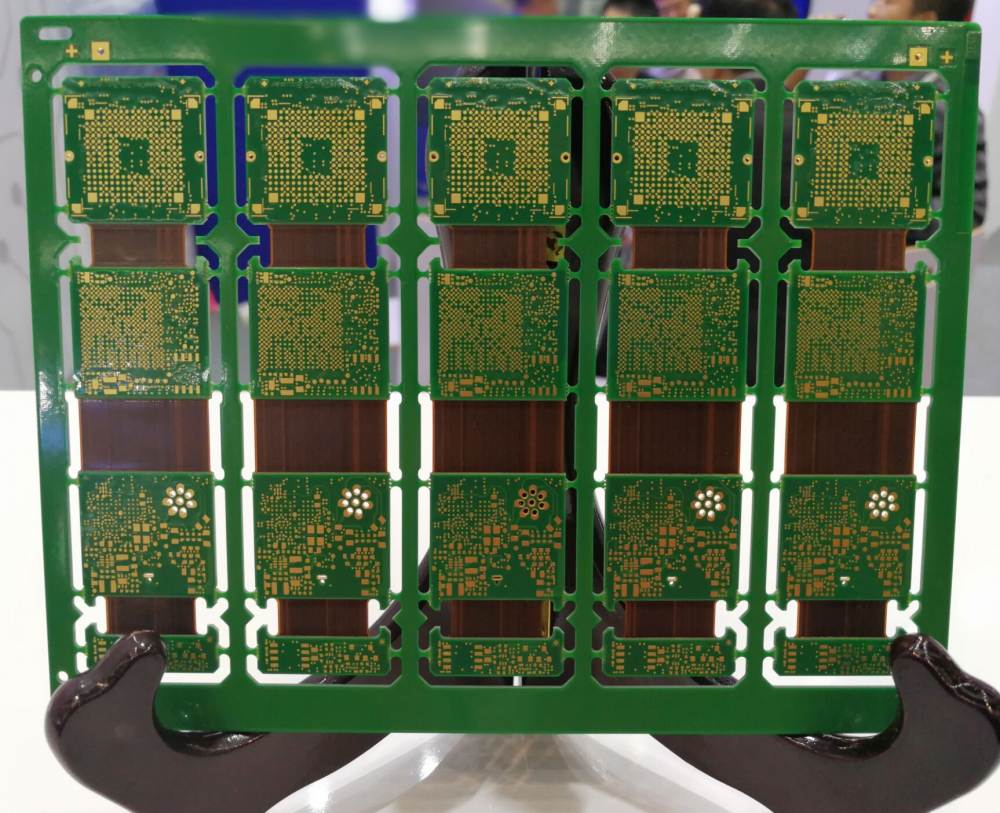
What is an example of a rigid flex PCB?
Introduction A rigid-flex printed circuit board (PCB) is a type of PCB that consists of both rigid and flexible sections. It combines the benefits of rigid boards for stability and flexible circuits for dynamic interconnectivity. Rigid-flex boards enable 3D electronic assemblies by allowing the flexible sections to bend, fold or twist to fit into unique…
-
What is the difference between rigid flex and flex PCB?
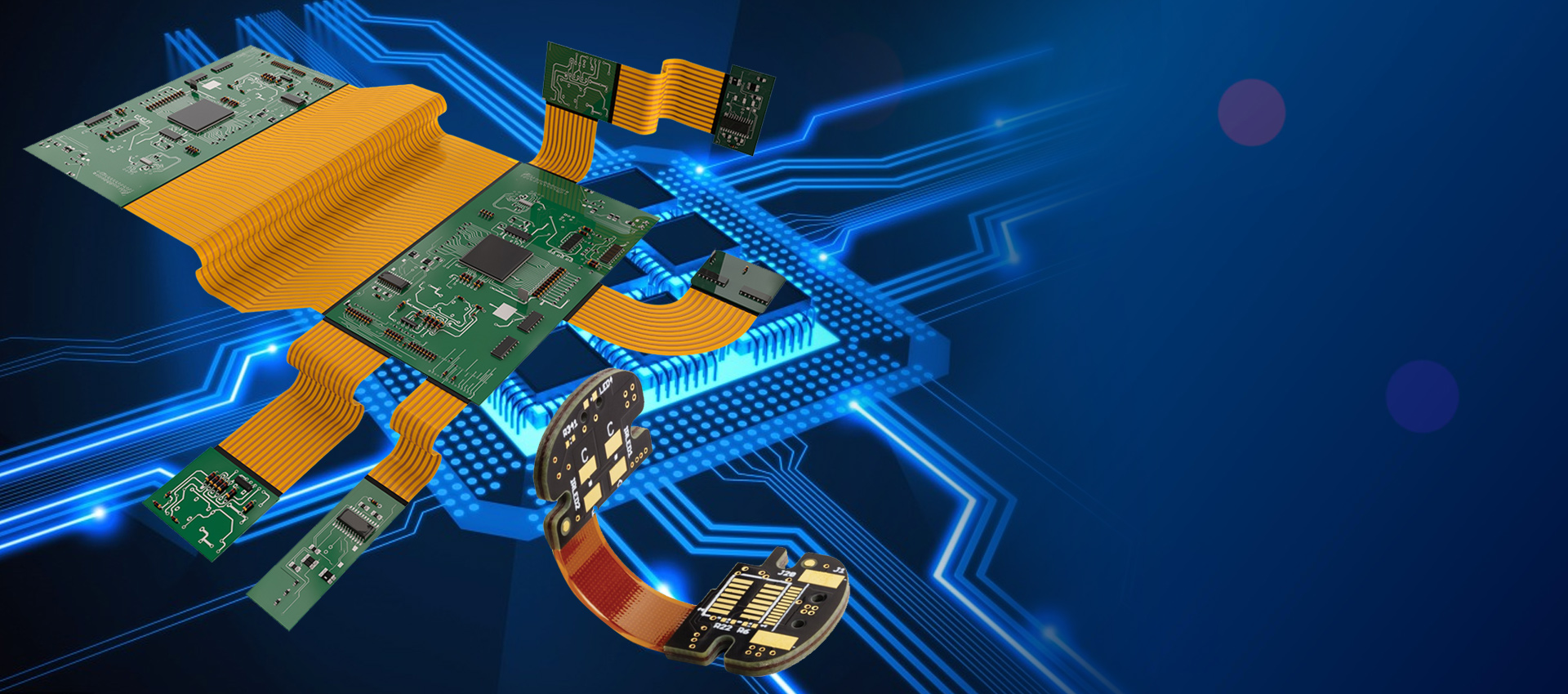
Introduction Printed circuit boards (PCBs) are essential components in nearly all modern electronic devices. They provide the structural foundation as well as the electrical interconnects between components. While traditional PCBs use completely rigid FR-4 substrates, some applications require more flexible and dynamic designs. This has led to two technologies – flex PCBs and rigid flex…
-
What is rigid flex PCB?
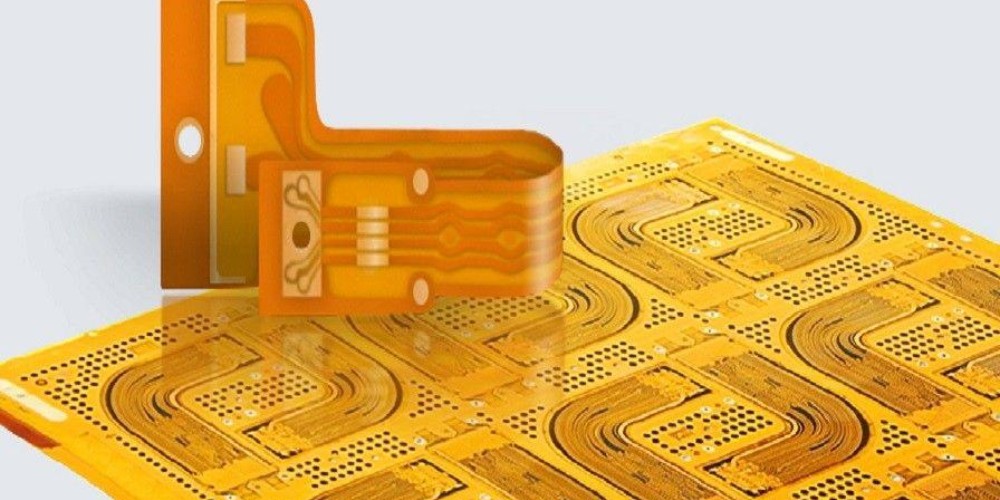
Introduction to Rigid Flex PCBs A rigid flex PCB (also known as rigid-flex circuit board) combines rigid PCBs and flexible PCB technologies into one circuit board. Rigid flex PCBs contain both rigid sections and flexible sections interconnected with laminated copper traces. The rigid sections provide mechanical support while the flexible sections allow dynamic flexing, bending…

Blog
Archive
Categorise
Recent Posts
- Common Mode Choke Selection: A Comprehensive Guide
- Common Fab and Assembly Design Errors To Avoid – AltiumLive 2024
- Commodore 128 Principal Engineer, Bil Herd on Best Practices for Learning a New CAD Tool
- Collecting All the Pieces You Need: What is a Bill of Materials?
- Collaborative Design Software: Create PCB Schematic Symbols for any Component
