
-
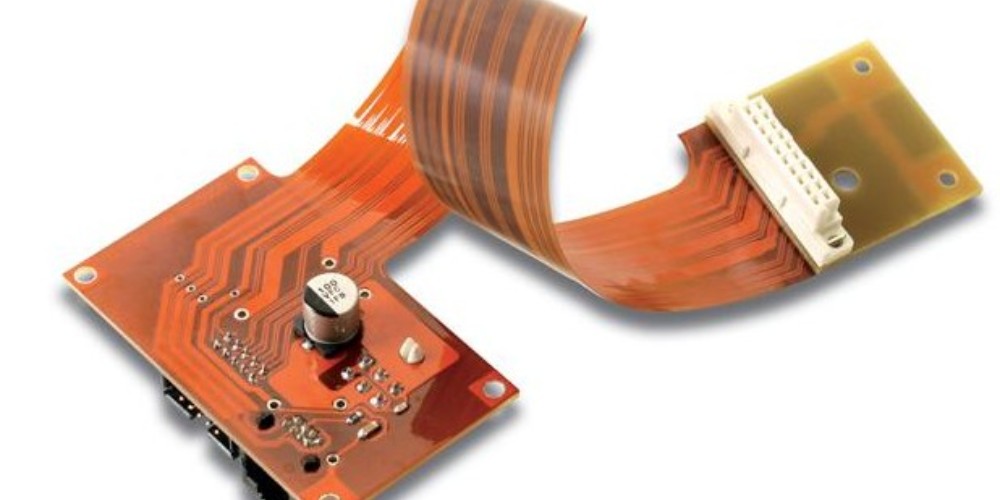
Rigid Flex PCB Cost: A Detailed Breakdown for Your Next Design
Introduction Rigid-flex printed circuit boards (PCBs) combine rigid and flexible circuitry into a single interconnected package. This allows the PCB to bend and flex in certain areas while maintaining rigidity in others. Rigid-flex PCBs are ideal for products where space is limited or flexing is required, like wearables, medical devices, or foldable consumer electronics. However,…
-
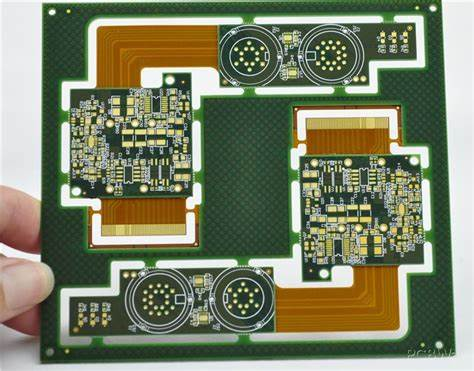
Rigid PCB Boards: A Comprehensive Guide
Introduction to Rigid PCB Boards A printed circuit board (PCB) forms the backbone of any electronics product. PCBs provide mechanical support and electrical connectivity between electronic components using conductive traces etched from copper sheets and laminated onto a non-conductive substrate. Rigid PCBs employ stiff insulating substrates like FR-4 (glass reinforced epoxy laminate), making themself-supporting. The…
-
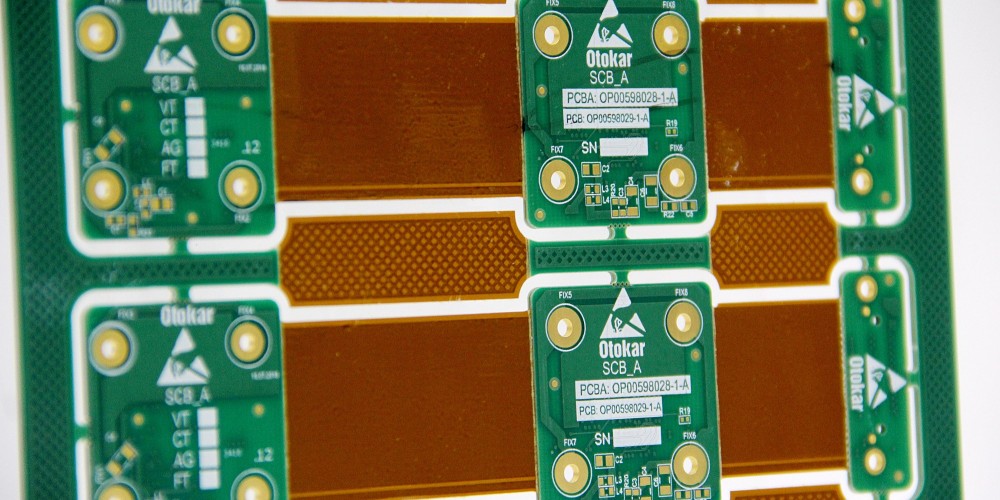
Flexible PCB Fabrication: A Complete Guide
Introduction to Flexible Printed Circuit Boards A flexible printed circuit board (flex PCB or flex circuit) is a type of printed circuit board made of a flexible insulating substrate material such as polyimide or polyester. The conductive pathways or tracks are printed or laminated onto the flexible substrate using copper foil. Flexible PCBs can be…
-
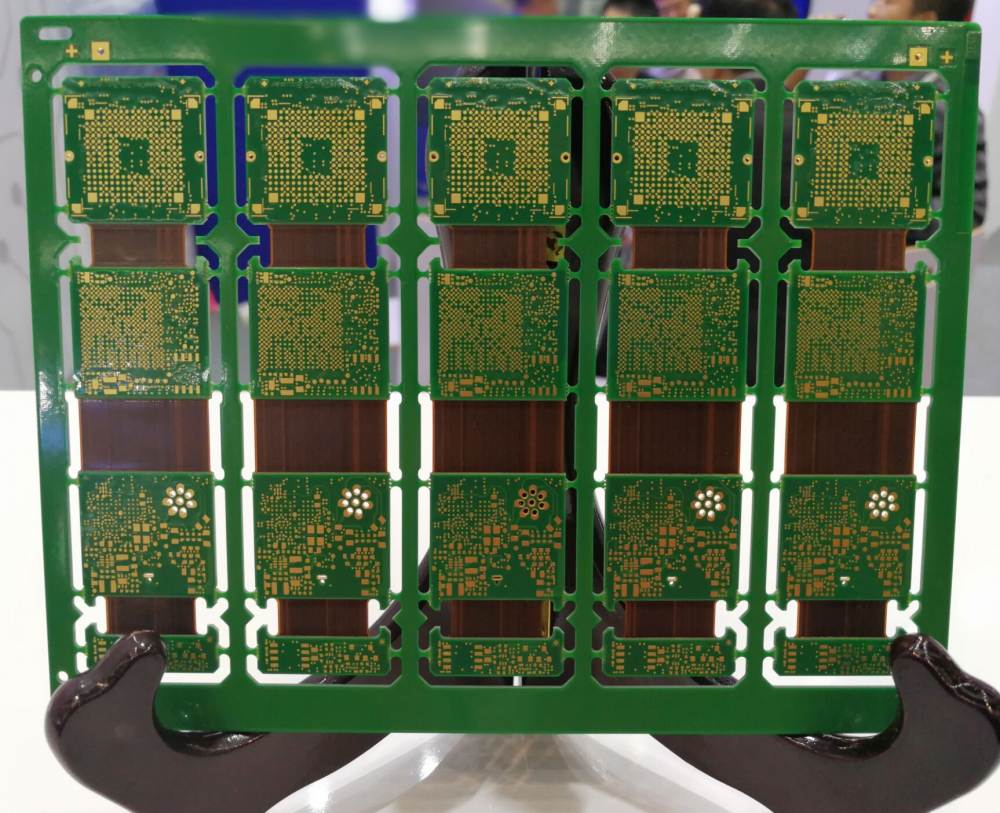
Rigid Flex PCB Design: A Complete Guide for 2023
Introduction A rigid flex printed circuit board (PCB) combines rigid and flexible circuit boards into a single structure. Instead of using wires and connectors, the rigid and flex sections are integrated into one PCB using deposited copper traces on a flexible polyimide substrate. This allows the PCB to bend and flex while still providing stability…
-
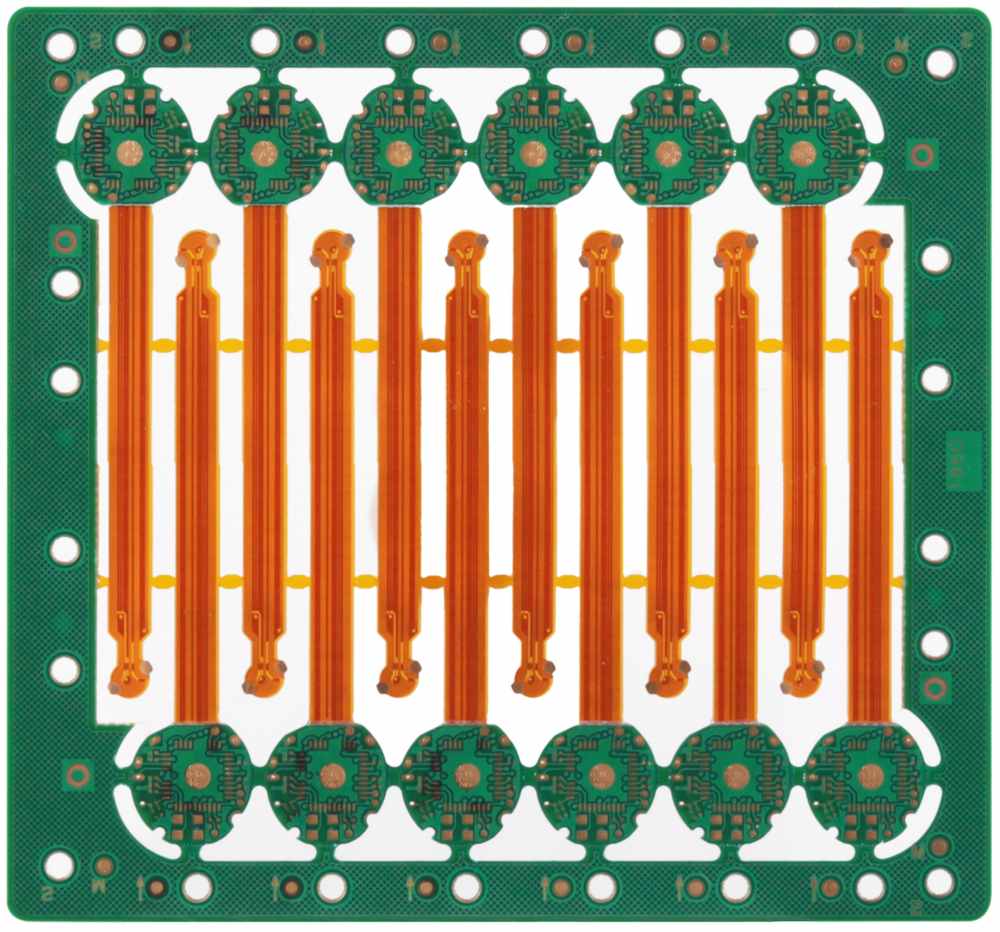
Understanding Flexible PCB Costs: A Comprehensive Guide
Introduction Flexible printed circuit boards (PCBs), also known as flex circuits or flex PCBs, are a vital component in modern electronics due to their ability to bend and flex. As devices get smaller and more compact, flexible PCBs allow circuitry to fit into tight spaces. They are commonly used in consumer devices like mobile phones…
-
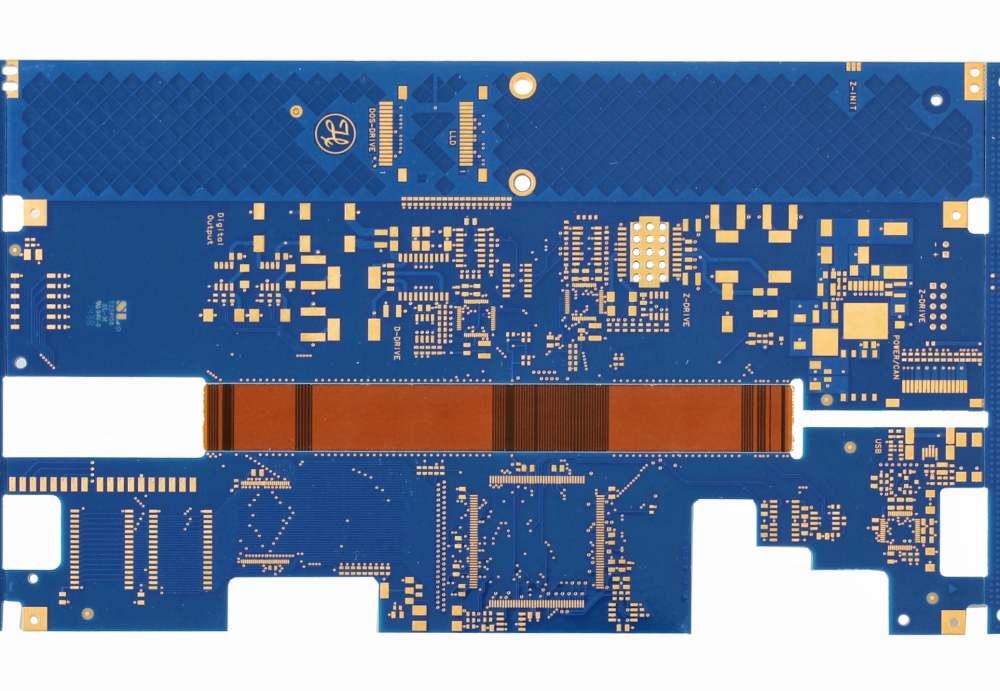
The Benefits and Applications of Rigid-Flex PCBs
Rigid-flex PCBs, also known as flex-rigid PCBs, combine rigid PCBs and flexible PCBs into one interconnected design. These circuit boards provide the benefits of both rigid boards and flexible circuits in a single solution. Rigid-flex PCBs allow designers to integrate rigid and flexible substrates in 3-dimensional configurations that would not be possible with a fully…
-
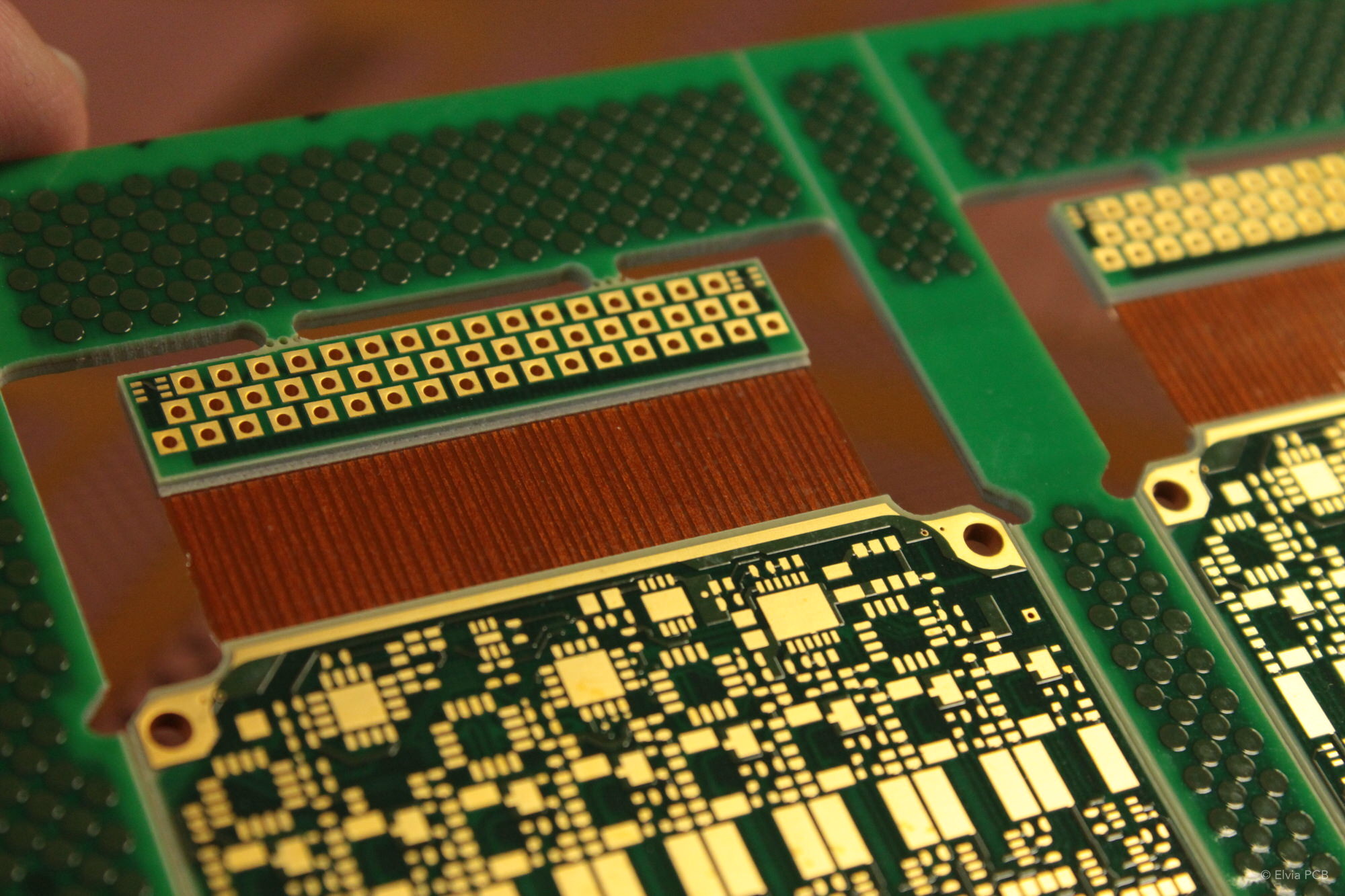
Designing Rigid-Flex PCBs
Introduction Rigid-flex printed circuit boards (PCBs) combine rigid and flexible substrates to create lightweight, robust electronic devices that can fit into tight spaces. Rigid-flex allows designers to install electronic components in multiple rigid areas connected through flexible circuits that can bend and twist. This enables more compact and ergonomic designs for products like smartphones, wearables,…
-
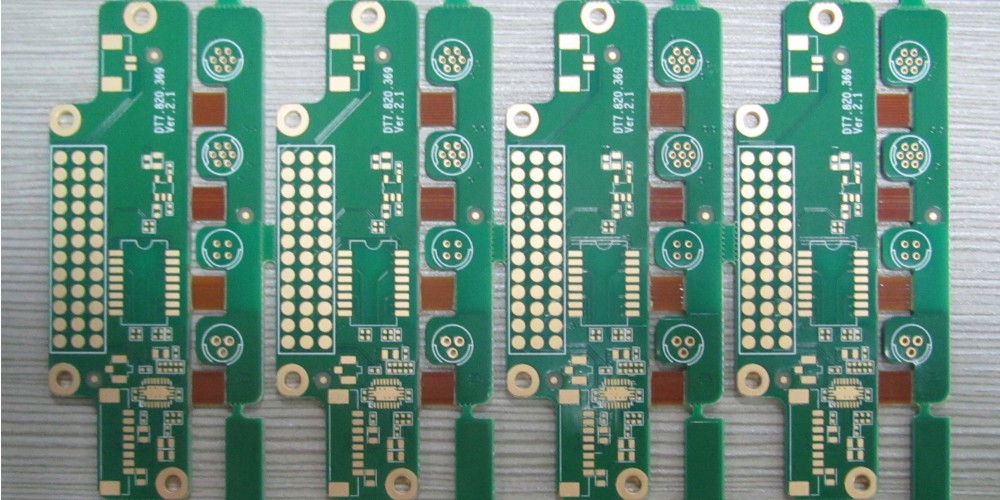
Flex PCB Assembly – A Complete Guide to Flexible Printed Circuit Boards Manufacturing
Introduction A flexible printed circuit board (FPCB), commonly known as flex PCB or flex circuit, is a type of printed circuit board made of flexible dielectric materials such as polyimide or polyester. Flex PCBs can be bent, folded, or twisted to fit into tight spaces and adapt to movable parts in electronic devices. They are…
Blog
Archive
Categorise
Recent Posts
- Common Mode Choke Selection: A Comprehensive Guide
- Common Fab and Assembly Design Errors To Avoid – AltiumLive 2024
- Commodore 128 Principal Engineer, Bil Herd on Best Practices for Learning a New CAD Tool
- Collecting All the Pieces You Need: What is a Bill of Materials?
- Collaborative Design Software: Create PCB Schematic Symbols for any Component
