
-
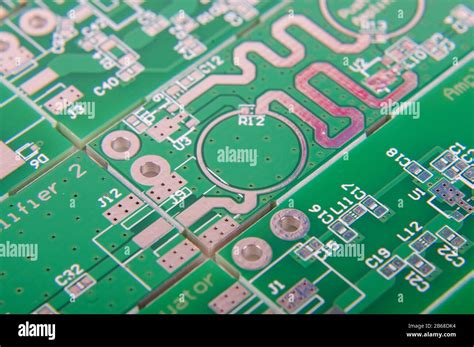
16 Steps On Microwave PCB Design
Understanding the Basics of Microwave PCB Design Before diving into the design process, it’s crucial to understand the fundamentals of microwave PCBs and how they differ from traditional PCBs. What is a Microwave PCB? A microwave PCB is a printed circuit board specifically designed to handle high-frequency signals, typically in the range of 300 MHz…
-

Electronics Environmental Testing: Definition, Category and Different Types of Tests
What is Electronics Environmental Testing? Electronics environmental testing is a series of tests performed on electronic components, devices, and systems to evaluate their ability to function properly and reliably under various environmental conditions. These tests simulate the real-world conditions that the products may encounter during their lifecycle, including storage, transportation, and operation. The primary goal…
-
PCB Design Needs Of Our 5 Mistakes To Be Avoided
Mistake 1: Failing to Consider the PCB’s Environment One of the most crucial aspects of PCB design is considering the environment in which the board will operate. Factors such as temperature, humidity, vibration, and electromagnetic interference (EMI) can significantly impact the performance and reliability of the PCB. Temperature Considerations PCBs that are exposed to extreme…
-
7 Notes and Tips On Circuit Boards Projects For Beginners
Introduction to Circuit Boards Circuit boards, also known as printed circuit boards (PCBs), are the backbone of modern electronics. They are used in a wide range of applications, from simple hobby projects to complex industrial systems. For beginners, working with circuit boards can be intimidating, but with the right knowledge and tools, anyone can learn…
-
Online PCB Design-How You Can Make
What is PCB Design? PCB design is the process of designing a printed circuit board, which mechanically supports and electrically connects electronic components using conductive tracks, pads and other features etched from copper sheets laminated onto a non-conductive substrate. PCBs can be single sided (one copper layer), double sided (two copper layers) or multi-layer. PCB…
-
What Is a PCB Board: A Comprehensive Guide for Beginners?
Introduction to PCBs A printed circuit board, or PCB, is the foundation of nearly all modern electronic devices. Whether it’s a smartphone, laptop, TV, or even a microwave, chances are it contains at least one PCB. But what exactly is a PCB and how does it work? In this comprehensive PCB Guide for beginners, we’ll…
-
Flexible Circuits-9 Factors you need to Consider When Designing
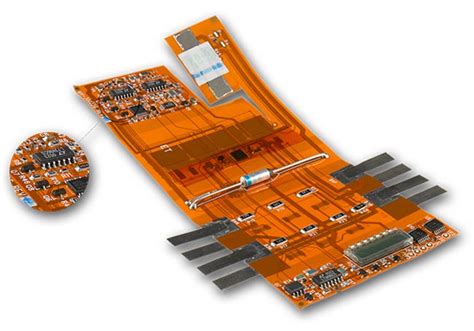
Understanding the Basics of Flexible Circuits Before diving into the design considerations, let’s briefly discuss what flexible circuits are and their key characteristics. Flexible circuits are printed circuits that use flexible base materials, such as polyimide or polyester, instead of the rigid FR-4 material used in traditional PCBs. The conductive traces are typically made of…
-

Coverlay Adhesive squeezeout on flexible circuits
What is Adhesive squeezeout? Adhesive squeezeout is a common issue encountered in the manufacturing of flexible circuits, particularly during the coverlay lamination process. It refers to the undesired flow and accumulation of excess adhesive material along the edges or openings of the circuit, which can potentially lead to various problems affecting the performance and reliability…
-
Flexible Circuitry – What Is It, And Why Do You Need It?
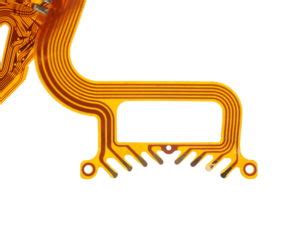
Introduction to Flexible Circuitry Flexible circuitry, also known as flex circuits or flexible printed circuit boards (FPCBs), is a revolutionary technology that has transformed the electronics industry. Unlike traditional rigid printed circuit boards (PCBs), flexible circuits are designed to bend, twist, and conform to various shapes and surfaces without compromising their electrical functionality. This unique…
-
How to Deal With Flexible PCB Opportunities and Challenges
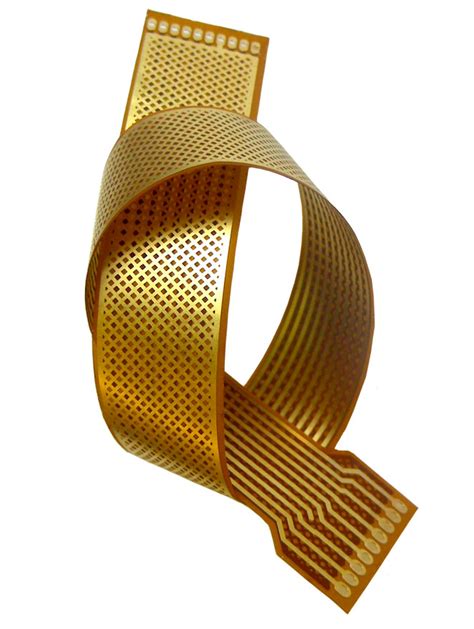
What is a Flexible PCB (FlexPCB)? A Flexible PCB, also known as a FlexPCB, is a type of printed circuit board that is designed to be flexible and bendable. Unlike traditional rigid PCBs, FlexPCBs are made from thin, flexible materials such as polyimide or polyester films. This allows them to conform to various shapes and…

RigidFlexPCB
Archive
Categorise
Recent Posts
- Common Mode Choke Selection: A Comprehensive Guide
- Common Fab and Assembly Design Errors To Avoid – AltiumLive 2024
- Commodore 128 Principal Engineer, Bil Herd on Best Practices for Learning a New CAD Tool
- Collecting All the Pieces You Need: What is a Bill of Materials?
- Collaborative Design Software: Create PCB Schematic Symbols for any Component
