
-
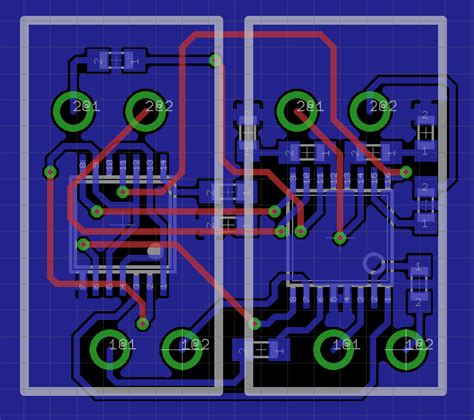
Fly Buck converter PCB layout tips
Introduction to Fly Buck Converters and PCB layout Fly buck converters, also known as isolated buck converters, are widely used in power electronics applications to efficiently step down high voltage DC to low voltage DC while providing galvanic isolation between the input and output. Proper PCB layout is crucial for the optimal performance, reliability, and…
-

One-Stop Multilayer PCB Manufacturing of 3 to 64 Layers
Introduction to Multilayer PCB Manufacturing Printed Circuit Boards (PCBs) are the backbone of modern electronics. They provide a platform for interconnecting electronic components and enable the functioning of complex electronic systems. As technology advances, the demand for more complex and compact PCBs has increased, leading to the development of Multilayer PCBs. Multilayer PCBs are PCBs…
-
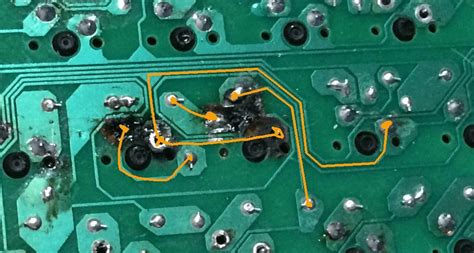
PCB Trace Everything You Need To Know
What is a PCB Trace? A PCB trace, also known as a copper trace or a track, is a conductive pathway on a printed circuit board (PCB) that electrically connects different components. These traces are made of copper and are etched onto the PCB substrate to create the desired circuit pattern. PCB traces play a…
-
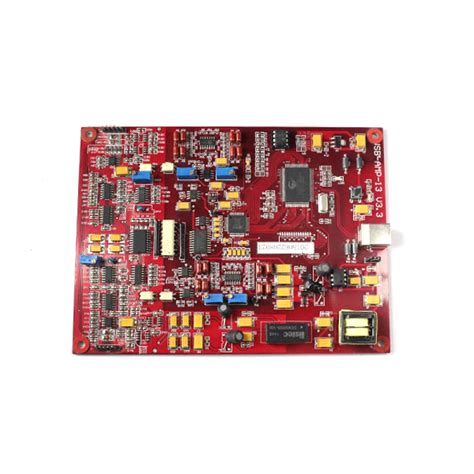
What Is Turnkey PCB Assembly
Introduction to Turnkey PCB Assembly Turnkey PCB (Printed Circuit Board) assembly is a comprehensive manufacturing process that involves the design, fabrication, and assembly of PCBs, all handled by a single service provider. This one-stop-shop approach streamlines the entire PCB production process, making it more efficient and cost-effective for businesses and individuals who require Custom PCBs…
-

What is ceramic PCB
Introduction to Ceramic PCB Ceramic printed circuit boards (PCBs) are a type of substrate material used in the manufacturing of electronic circuits. Unlike traditional PCBs that use organic materials like FR-4, ceramic PCBs are made from inorganic materials such as alumina (Al2O3) or aluminum nitride (AlN). These materials offer unique properties that make ceramic PCBs…
-
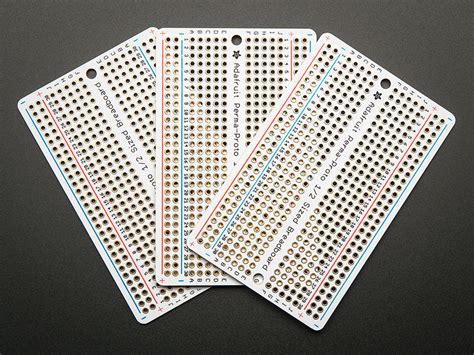
What s The Difference Between PCB And Breadboard
Understanding PCB (Printed Circuit Board) What is a PCB? A PCB, short for Printed Circuit Board, is a flat board made of insulating material, such as fiberglass or plastic, with conductive copper traces printed on its surface. These traces connect various Electronic Components, such as resistors, capacitors, and integrated circuits (ICs), to form a complete…
-
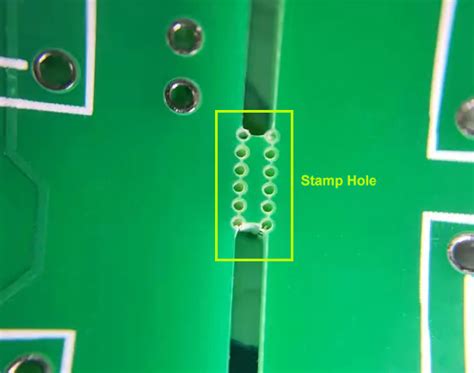
PCB Panelization at Screaming Circuits
What is PCB Panelization? PCB panelization is the process of combining multiple printed circuit board designs onto a single panel for manufacturing. By grouping boards together on a larger panel, it allows for more efficient fabrication since multiple boards can be produced in a single run. The advantages of panelizing PCBs include: Reduced manufacturing time…
-
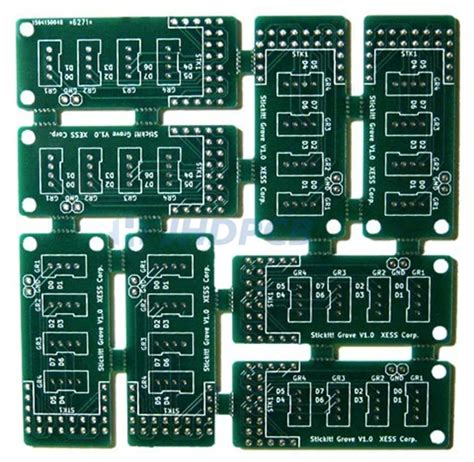
Software to panelize PCB
Introduction to PCB Panelization PCB panelization is the process of grouping multiple printed circuit board (PCB) designs onto a single panel for manufacturing. This technique is widely used in the electronics industry to reduce production costs, improve efficiency, and streamline the assembly process. By arranging multiple PCBs on a single panel, manufacturers can optimize material…
Blog
Archive
Categorise
Recent Posts
- Common Mode Choke Selection: A Comprehensive Guide
- Common Fab and Assembly Design Errors To Avoid – AltiumLive 2024
- Commodore 128 Principal Engineer, Bil Herd on Best Practices for Learning a New CAD Tool
- Collecting All the Pieces You Need: What is a Bill of Materials?
- Collaborative Design Software: Create PCB Schematic Symbols for any Component
