
-
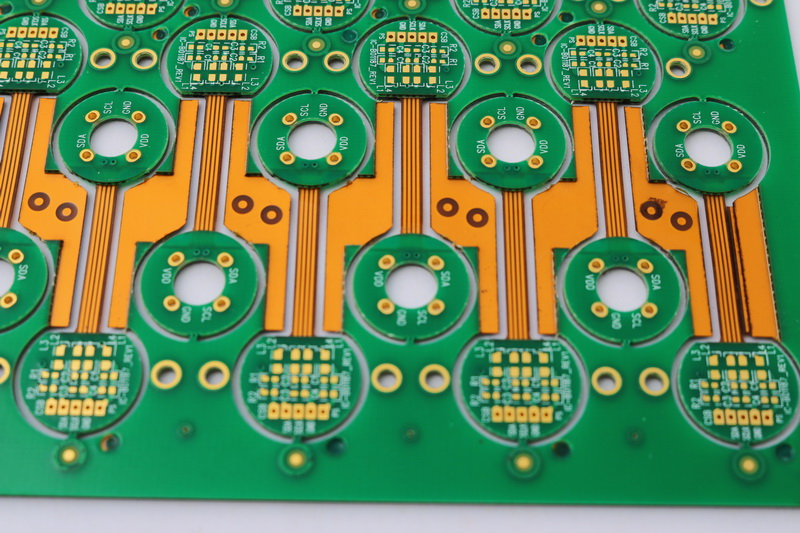
Rigid Circuit Boards: An Overview of Design, Manufacturing, and Applications
Introduction Rigid printed circuit boards (PCBs) are the most common type of circuit board used in electronics today. As the name suggests, rigid PCBs retain their shape and do not flex. They provide a sturdy foundation for mounting and connecting electronic components using conductive copper traces etched into the board. Rigid PCBs have been instrumental…
-
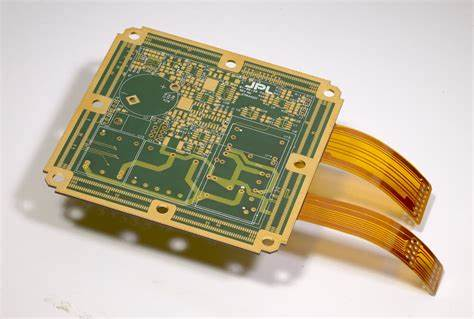
Rigid Flex Circuits: Design, Manufacturing, and Applications
Rigid flex circuits, also known as rigid flexible printed circuit boards (PCBs), are a specialized type of printed circuit board that consist of rigid and flexible substrates laminated together. The rigid sections provide mechanical support while the flexible sections allow dynamic flexing, bending or wrapping around components. Rigid flex circuits are increasingly being used in…
-
Rigid Flex Printed Circuit Boards: A Revolution in PCB Design
Rigid flex printed circuit boards (PCBs) represent an exciting innovation in printed circuit board design, combining the stability and structure of a rigid PCB with the dynamic flexibility of a flex circuit. With the ability to bend and fold into three-dimensional configurations, rigid flex PCBs enable creative solutions to complex electronic packaging problems across a…
-
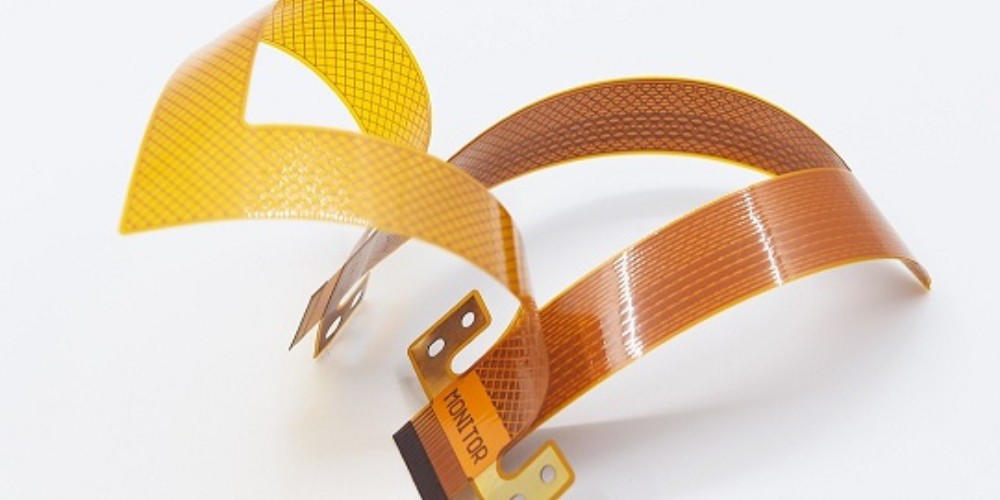
Buying Cheap Flex PCBs without Sacrificing Quality
Flex PCBs, also known as flexible printed circuit boards, are printed circuits that are flexible and durable enough to bend and flex repeatedly. They are used in a variety of electronics where flexibility is required, like wearables, medical devices, consumer electronics, automotive electronics, and more. Buying cheap flex PCBs can help reduce costs in your…
-
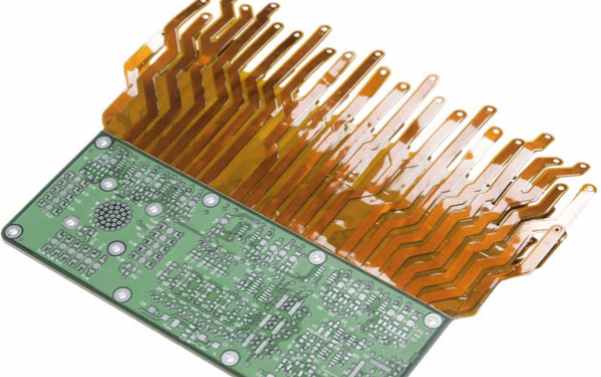
Getting Flex PCB Quotes: A Comprehensive Guide
Introduction Printed circuit boards (PCBs) are essential components in almost all modern electronics. As devices get smaller and more compact, flexible PCBs (flex PCBs) have become increasingly popular. Flex PCBs offer many advantages over rigid PCBs, such as allowing for dynamic flexing and bending, fitting into tight spaces, and reducing weight. However, working with flex…
-
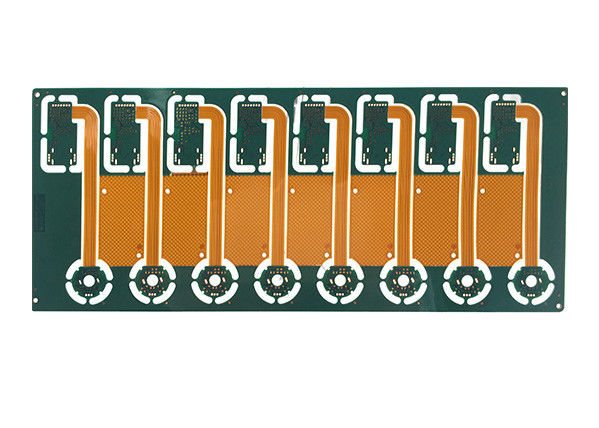
Using KiCad for Rigid Flex PCB Design
Introduction Rigid flex PCBs combine rigid and flexible substrates to provide solutions for complex and space constrained electronics. They allow connections between multiple rigid boards using the flexible sections. Compared to using cables, rigid flex PCBs are more compact, lightweight and reliable. KiCad is a popular open source PCB design software that can be used…
-
Rigid Printed Circuit Boards: An In-Depth Guide
Introduction to Rigid PCBs A rigid printed circuit board (PCB) is the most common type of PCB used in electronics manufacturing. As the name suggests, rigid PCBs retain their shape and do not flex. They provide a sturdy, reliable foundation for mounting and connecting electronic components. Rigid PCBs are made from layers of fiberglass and…
-
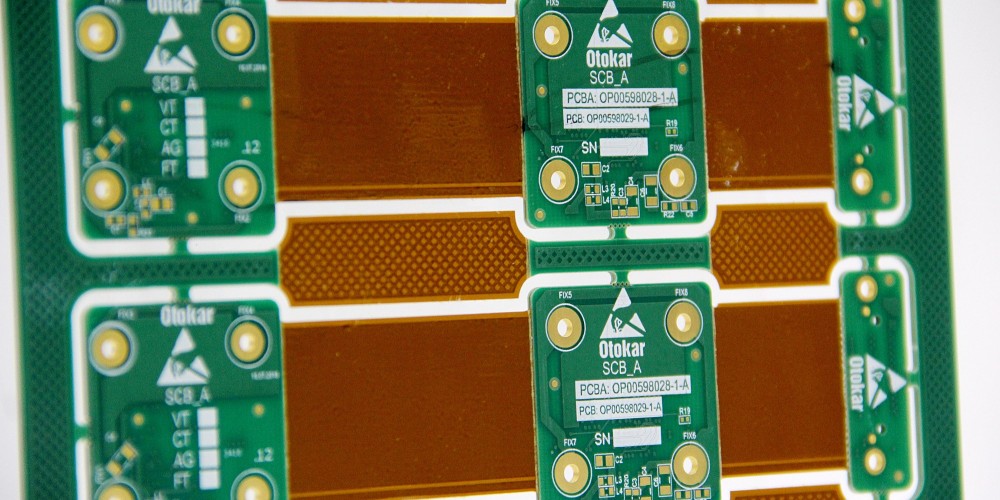
Flexible PCB Assembly: A Complete Guide
Introduction to Flexible PCBs A flexible printed circuit board (flex PCB or flex circuit) is a type of printable circuitry that is made with flexible and durable materials. Unlike traditional rigid PCBs, flex circuits can bend and flex while still maintaining their electrical connectivity. This makes them ideal for applications where the PCB needs to…
Blog
Archive
Categorise
Recent Posts
- Common Mode Choke Selection: A Comprehensive Guide
- Common Fab and Assembly Design Errors To Avoid – AltiumLive 2024
- Commodore 128 Principal Engineer, Bil Herd on Best Practices for Learning a New CAD Tool
- Collecting All the Pieces You Need: What is a Bill of Materials?
- Collaborative Design Software: Create PCB Schematic Symbols for any Component
