
-
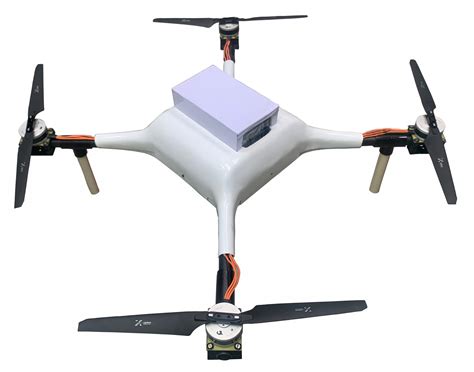
What Is The Core Of A Custom Drone Board
Introduction to Custom Drone Boards A custom drone board is the heart of any DIY drone project, providing the essential components and functionality required for flight control, communication, and data processing. When building a drone from scratch or modifying an existing one, understanding the core elements of a custom drone board is crucial for success.…
-
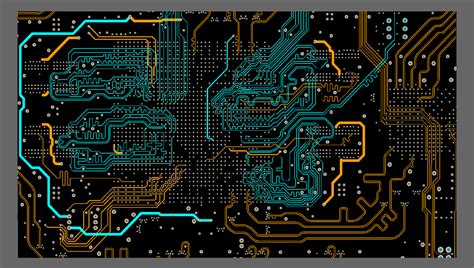
Power PCB Design: Five Major Things That Beginners Need to Know
Understanding the Basics of Power PCB Design What is a Power PCB? A power PCB, or printed circuit board, is a specially designed board that facilitates the distribution of power to various components within an electronic device. Unlike signal PCBs, which primarily focus on routing signals between components, power PCBs are engineered to handle high…
-
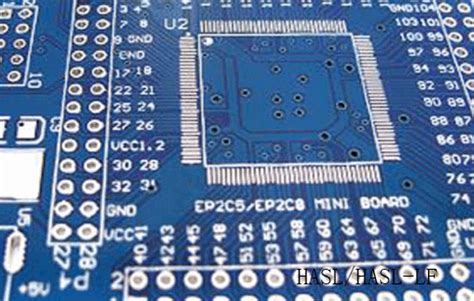
10 Differences Between HASL and ENIG Enig Plating Methods
What is HASL? HASL, or Hot Air Solder Leveling, is a surface finish method that involves dipping the PCB into a molten solder bath and then using hot air to level the surface. The solder typically consists of a tin-lead alloy, although lead-free alternatives are becoming more common due to environmental concerns. HASL has been…
-
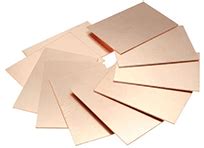
Printed circuit board materials
Types of PCB materials PCB materials can be broadly categorized into two main types: substrate materials and conductive materials. Substrate Materials The substrate is the base material on which the conductive traces and components are placed. It provides mechanical support and electrical insulation between the conductive layers. Common substrate materials include: FR-4 FR-4 (Flame Retardant…
-
An Introduction of Organic Solderability Preservative OSP by RAYPCB
What is Organic Solderability Preservative (OSP)? Organic Solderability Preservative (OSP) is a type of surface finish applied to printed circuit boards (PCBs) to protect the exposed copper pads from oxidation and ensure excellent solderability. OSP is a cost-effective and environmentally friendly alternative to other surface finishes such as Hot Air Solder Leveling (HASL), Immersion Silver,…
-

Explaining Reflow Soldering for PCB Assembly by RAYPCB
What is Reflow Soldering? Reflow soldering is a process used in printed circuit board (PCB) assembly to attach surface mount components to the board. It involves applying solder paste to the PCB pads, placing components on the pasted pads, and then heating the entire assembly in a reflow oven to melt the solder and form…
-
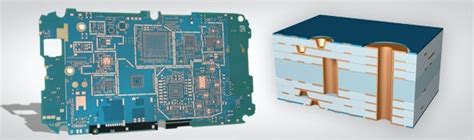
An Introduction to High Density Interconnect PCBs
What are HDI PCBs? High Density Interconnect (HDI) printed circuit boards are a type of PCB that incorporate higher wiring density per unit area compared to conventional PCBs. This is achieved through the use of finer lines and spaces (<100 μm), micro vias (<150 μm), and capture pads (<400 μm). HDI PCB technology enables miniaturization,…
-
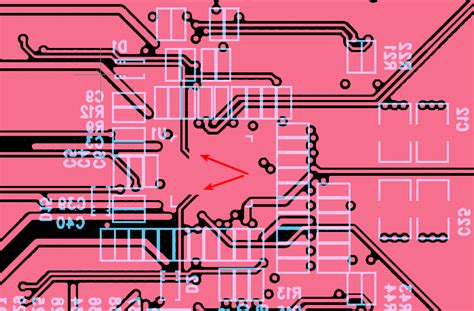
Issue with DRC and Kicad ground plane
Introduction to DRC and Kicad Kicad is a popular open-source Electronic design automation (EDA) software that allows users to design printed circuit boards (PCBs). One of the essential features of Kicad is the Design Rule Check (DRC), which helps identify potential issues in the PCB Design before sending it for manufacturing. The DRC checks for…
-
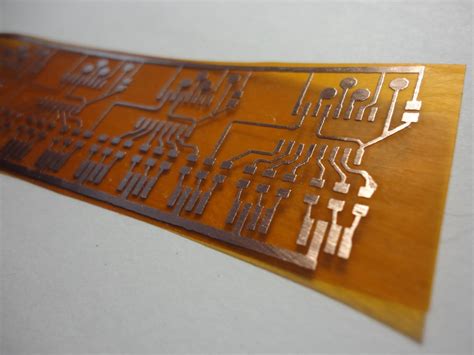
Flexible PCB: Pliable Circuit Boards for Compact Devices
Introduction to Flexible PCB Technology Flexible printed circuit boards (PCBs) have revolutionized the electronics industry by providing a pliable and compact solution for interconnecting electronic components. Unlike traditional rigid PCBs, flexible PCBs are made from thin, flexible materials that can bend, twist, and fold without compromising their electrical performance. This unique property has made flexible…
-
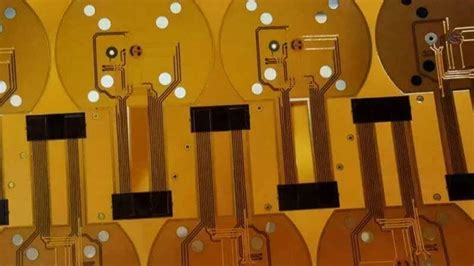
All About Flexible PCB and its Manufacturing Process
Introduction to Flexible PCB Flexible printed circuit boards (PCBs) have revolutionized the electronics industry by providing a versatile, lightweight, and durable solution for connecting electronic components. Unlike traditional rigid PCBs, flexible PCBs can bend, twist, and fold to fit into tight spaces and conform to various shapes. This unique property makes them ideal for applications…

RigidFlexPCB
Archive
Categorise
Recent Posts
- Common Mode Choke Selection: A Comprehensive Guide
- Common Fab and Assembly Design Errors To Avoid – AltiumLive 2024
- Commodore 128 Principal Engineer, Bil Herd on Best Practices for Learning a New CAD Tool
- Collecting All the Pieces You Need: What is a Bill of Materials?
- Collaborative Design Software: Create PCB Schematic Symbols for any Component
