
-
How to Reverse Engineer Printed Circuit Board
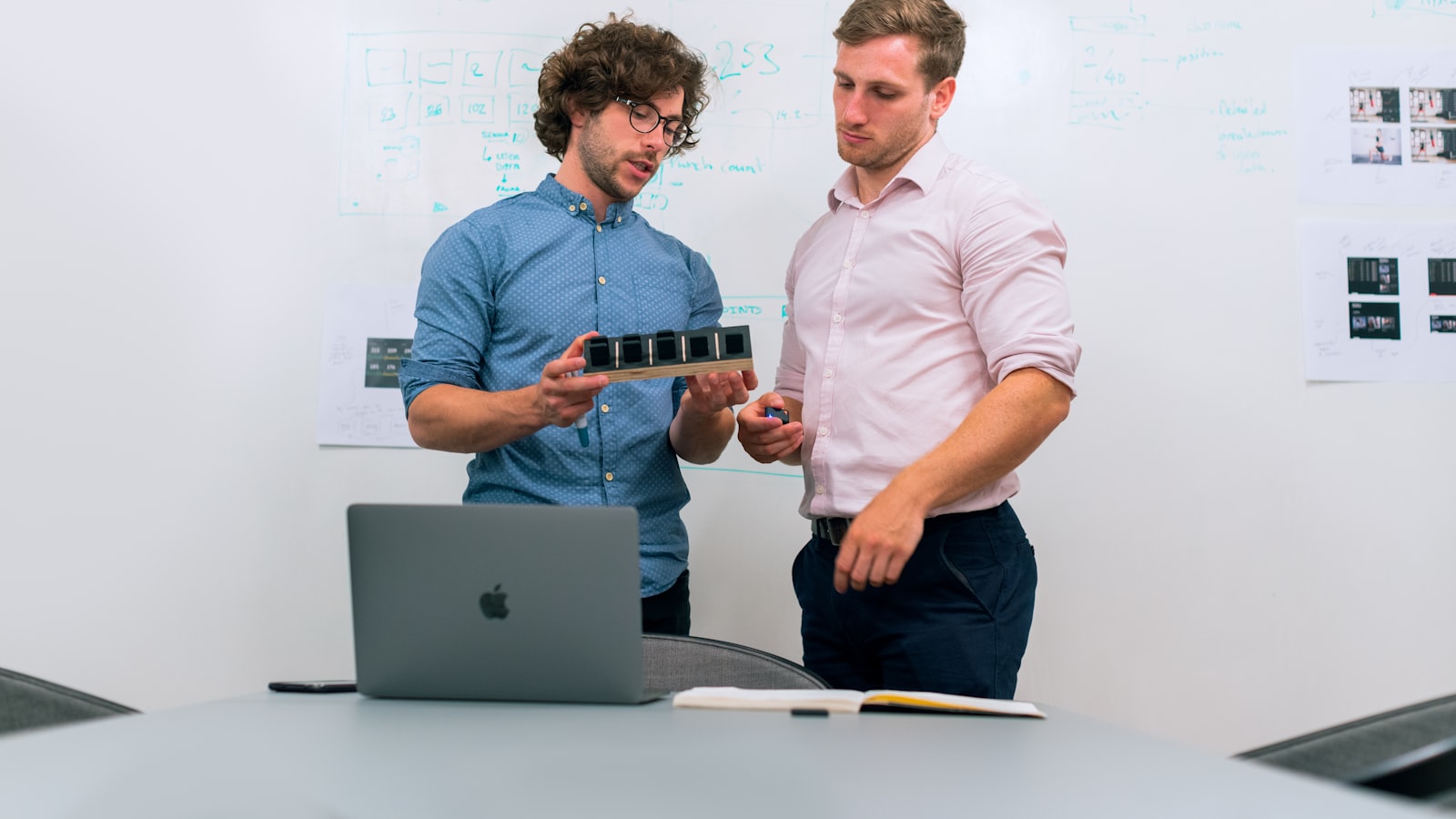
Introduction to PCB Reverse Engineering Printed Circuit Board (PCB) reverse engineering is the process of analyzing and understanding the design and functionality of an existing PCB without access to its original schematics or design files. This process is often employed when the original documentation is lost, unavailable, or when attempting to understand the inner workings…
-
What is the routing rule for PCB?
PCB Routing Basics At its core, PCB routing involves creating copper traces on the board layers to link component pins according to the schematic design. The router must navigate the limited space available while adhering to design rules that govern factors like trace width, spacing, via sizing, and more. Types of PCB Routing There are…
-
What is schematic in PCB?
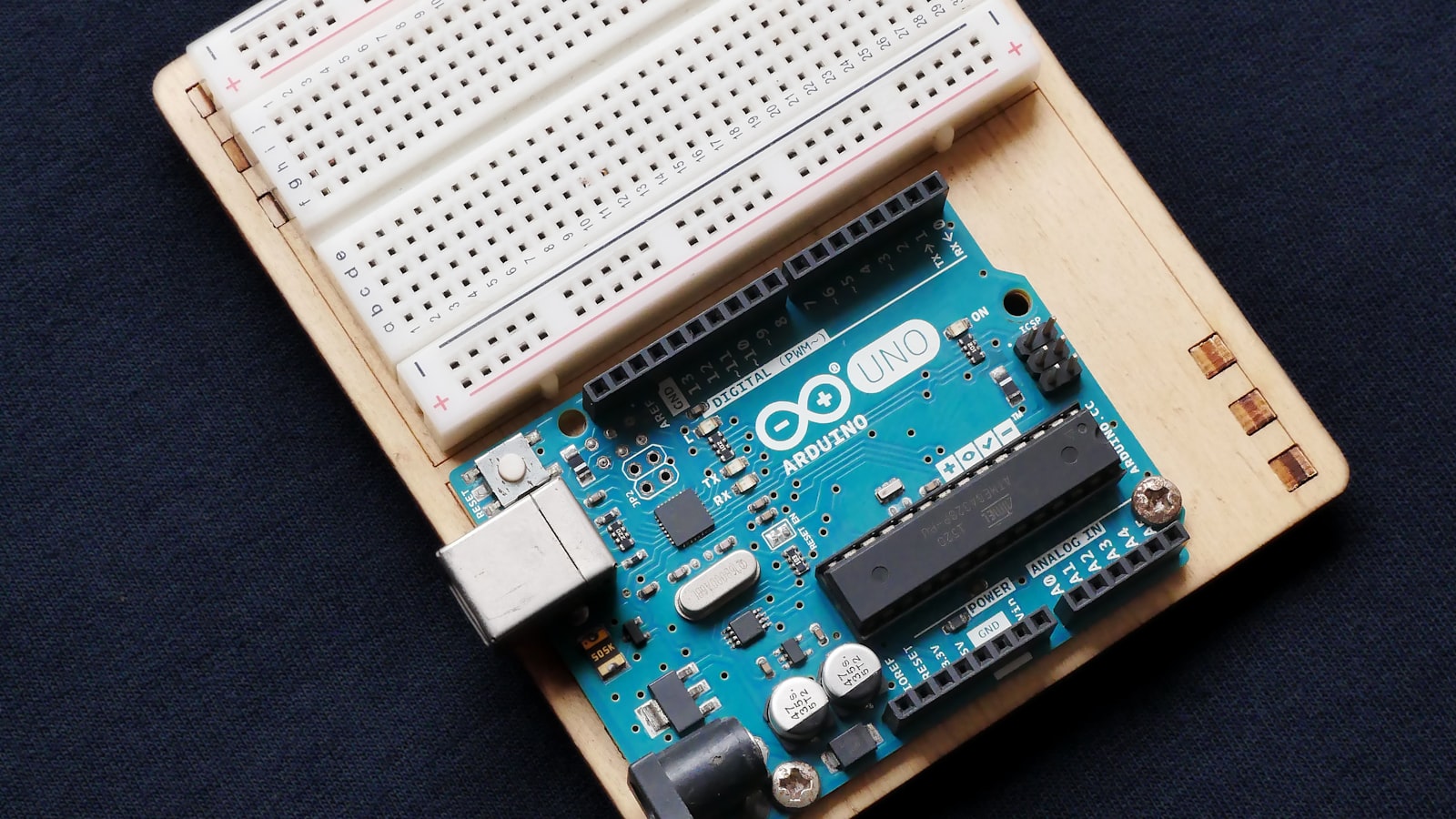
Understanding the Basics of PCB Schematics A PCB schematic, also known as a circuit diagram or electronic schematic, is a graphical representation of an electronic circuit. It uses standardized symbols to depict the various components and their interconnections within the circuit. The primary purpose of a PCB schematic is to communicate the design intent and…
-
What is a PCB Stackup?
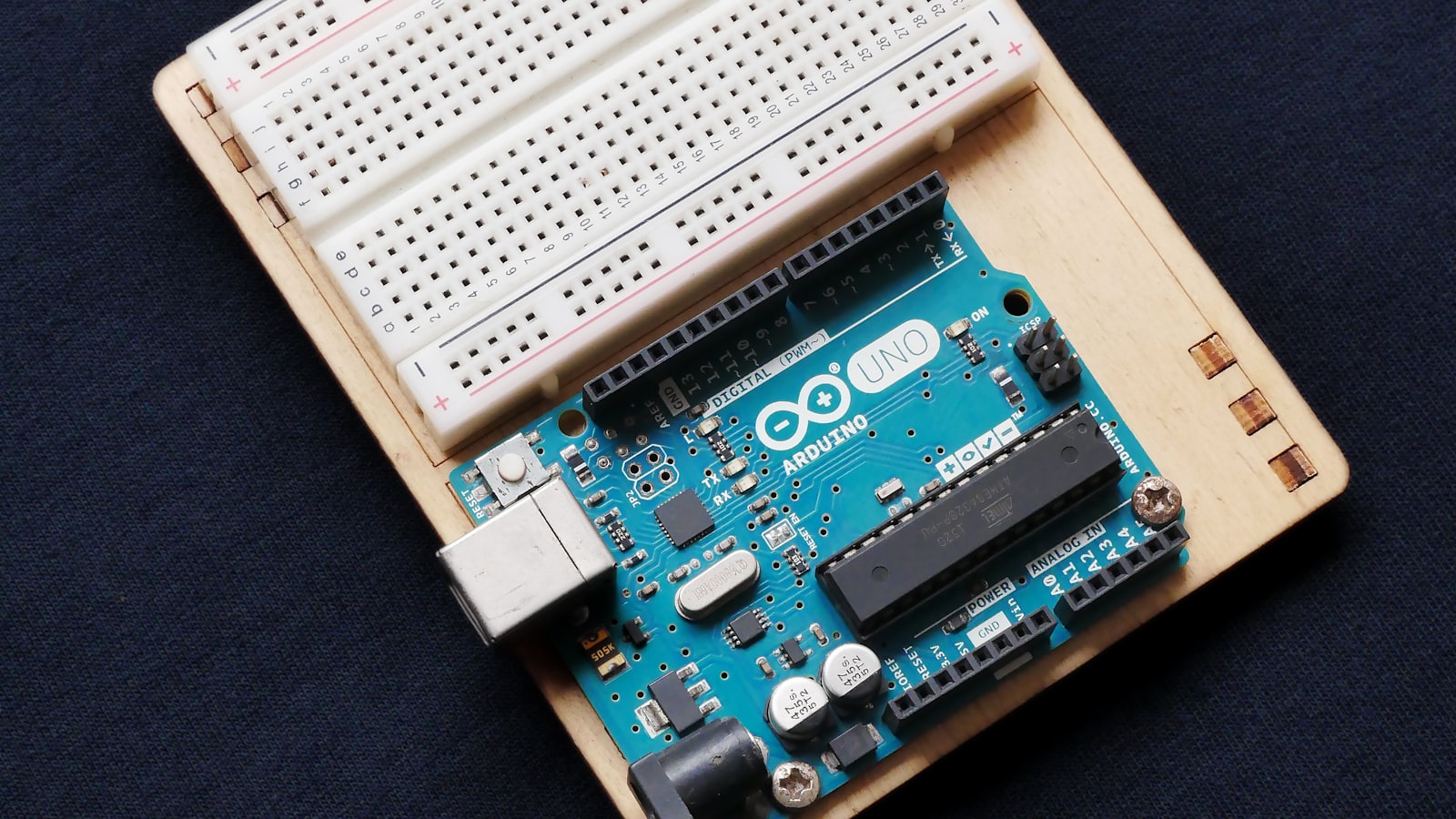
Understanding the Basics of PCB Stackups Definition and Importance A PCB stackup is the sequence of layers that form a printed circuit board. It defines the order and arrangement of conductive copper layers, insulating dielectric layers, and other materials that make up the PCB. The stackup plays a crucial role in the performance, reliability, and…
-

How to find pcb manufacturers near me
Why Choose a Local PCB Manufacturer? When you need PCBs fabricated, the location of your manufacturing partner matters. While it’s certainly possible to work with PCB fab houses overseas, especially for simple designs or high-volume orders, there are several compelling reasons to source PCBs from a manufacturer near you: Speed – Choosing a local manufacturer…
-

Who is the manufacturer of PCB assembly in China?
Overview of China’s PCB Assembly Industry The Chinese PCB industry has experienced significant growth over the past few decades, establishing itself as a global hub for electronics manufacturing. Key factors contributing to this growth include: Skilled workforce Advanced manufacturing infrastructure Competitive labor costs Supportive government policies Robust supply chain networks According to industry reports, China…
-

What are aluminum PCBs used for?
Advantages of Aluminum PCBs Before delving into the specific applications of aluminum PCBs, it is essential to understand the key advantages they offer: Enhanced thermal management Improved mechanical stability Reduced weight Cost-effectiveness Increased durability Enhanced thermal management One of the primary advantages of aluminum PCBs is their excellent thermal management capabilities. The aluminum substrate acts…
-

How to Diy PCB at Home ?
Introduction to PCB and DIY PCB Printed Circuit Boards (PCBs) are the backbone of modern electronics. They are used in almost every electronic device, from smartphones and computers to home appliances and industrial equipment. PCBs are essential for connecting electronic components and ensuring that they function properly. However, the process of designing and manufacturing PCBs…
Blog
Archive
Categorise
Recent Posts
- Common Mode Choke Selection: A Comprehensive Guide
- Common Fab and Assembly Design Errors To Avoid – AltiumLive 2024
- Commodore 128 Principal Engineer, Bil Herd on Best Practices for Learning a New CAD Tool
- Collecting All the Pieces You Need: What is a Bill of Materials?
- Collaborative Design Software: Create PCB Schematic Symbols for any Component
