
-

What is IPC standard for PCB?
Introduction to IPC Standards for PCB In the electronics industry, the IPC (Association Connecting Electronics Industries) is a global trade association that develops and publishes standards for the design, manufacture, and assembly of printed circuit boards (PCBs). These standards ensure consistency, reliability, and quality in the production of PCBs, which are essential components in a…
-
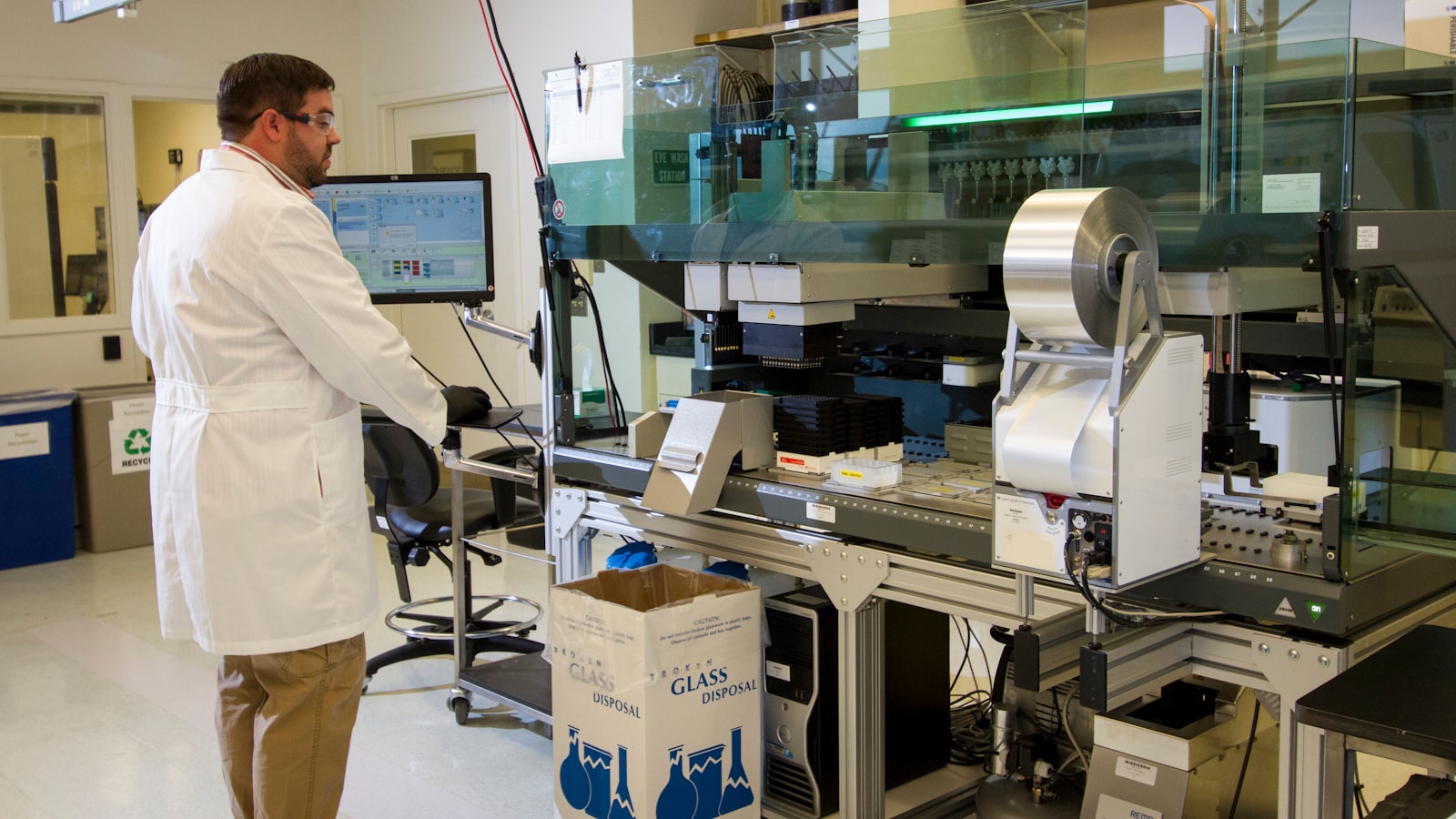
What is a PCB test fixture?
The Importance of PCB Testing PCB testing is a critical step in the electronics manufacturing process for several reasons: Quality Assurance: Testing ensures that the PCBs meet the required specifications and perform as intended, minimizing the risk of defects and failures in the final product. Cost Savings: Identifying and addressing issues early in the manufacturing…
-

Top 10 PCB Assembly Manufacturers in China
What is PCB Assembly? PCB assembly, or printed circuit board assembly, is the process of soldering electronic components onto a printed circuit board (PCB) to create a functional electronic device. The process involves several steps, including solder paste application, component placement, soldering, and inspection. Request PCB Manufacturing & Assembly Quote Now Why Choose China for…
-
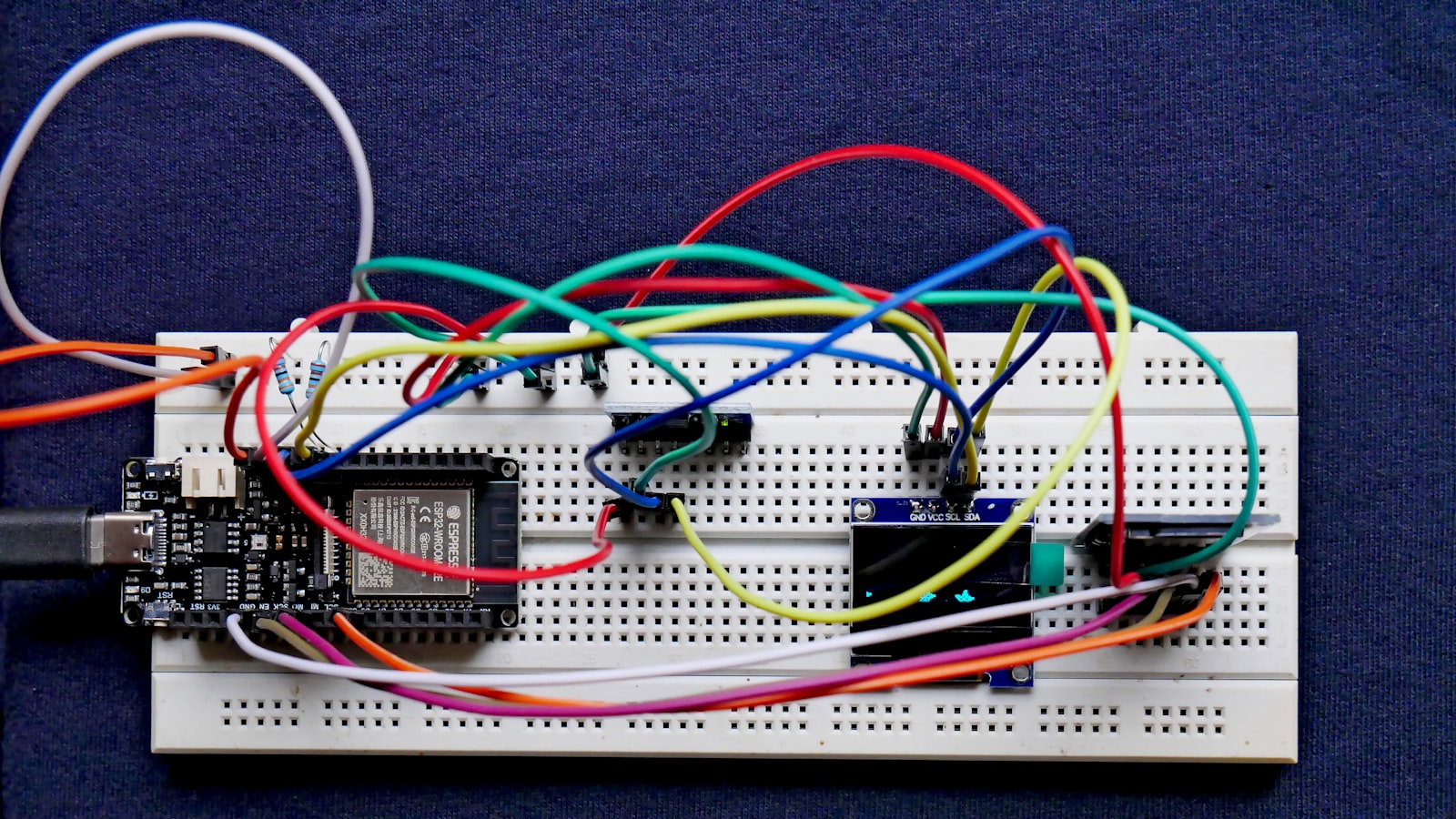
What is a RF PCB?
Introduction to RF PCBs A Radio Frequency Printed Circuit Board (RF PCB) is a specialized type of PCB designed to work with high-frequency signals in the radio frequency range. These PCBs are crucial components in various electronic devices that transmit or receive wireless signals, such as smartphones, tablets, Wi-Fi routers, and GPS systems. RF PCBs…
-

How to design a RF PCB?
Introduction to rf pcb Design Designing a radio frequency (RF) printed circuit board (PCB) requires careful consideration of various factors to ensure optimal performance and minimize signal interference. RF PCB design involves dealing with high-frequency signals, which are more sensitive to noise, impedance mismatches, and signal integrity issues compared to low-frequency designs. In this article,…
-

What temperature is needed for desoldering PCB?
Understanding the Importance of Solder Temperature for PCB Desoldering Desoldering is the process of removing solder and components from a PCB. It is an essential skill for electronics enthusiasts, technicians, and engineers who need to repair, modify, or salvage PCBs. The temperature at which you desolder plays a critical role in the success and quality…
-
What is a substrate in a PCB?
What is a PCB substrate? A PCB substrate is the insulating material that forms the base of a printed circuit board. It is typically made of a dielectric material, which is a poor conductor of electricity. The substrate provides a stable platform for the copper traces and components to be mounted on, while also insulating…
-

How do you calculate impedance of PCB?
Understanding PCB Impedance Printed Circuit Board (PCB) impedance is a critical factor in the design and performance of high-speed electronic circuits. It refers to the opposition to the flow of alternating current (AC) in a PCB trace, which is a combination of resistance, capacitance, and inductance. Accurate calculation of PCB impedance is essential to ensure…
Blog
Archive
Categorise
Recent Posts
- Common Mode Choke Selection: A Comprehensive Guide
- Common Fab and Assembly Design Errors To Avoid – AltiumLive 2024
- Commodore 128 Principal Engineer, Bil Herd on Best Practices for Learning a New CAD Tool
- Collecting All the Pieces You Need: What is a Bill of Materials?
- Collaborative Design Software: Create PCB Schematic Symbols for any Component
