
-
Is contract manufacturing the same as OEM?
What is Contract Manufacturing? Contract manufacturing is an arrangement in which a company (the client) outsources the production of its products or components to another company (the contract manufacturer). The contract manufacturer is responsible for producing the goods according to the client’s specifications, while the client retains control over the design, intellectual property, and distribution…
-
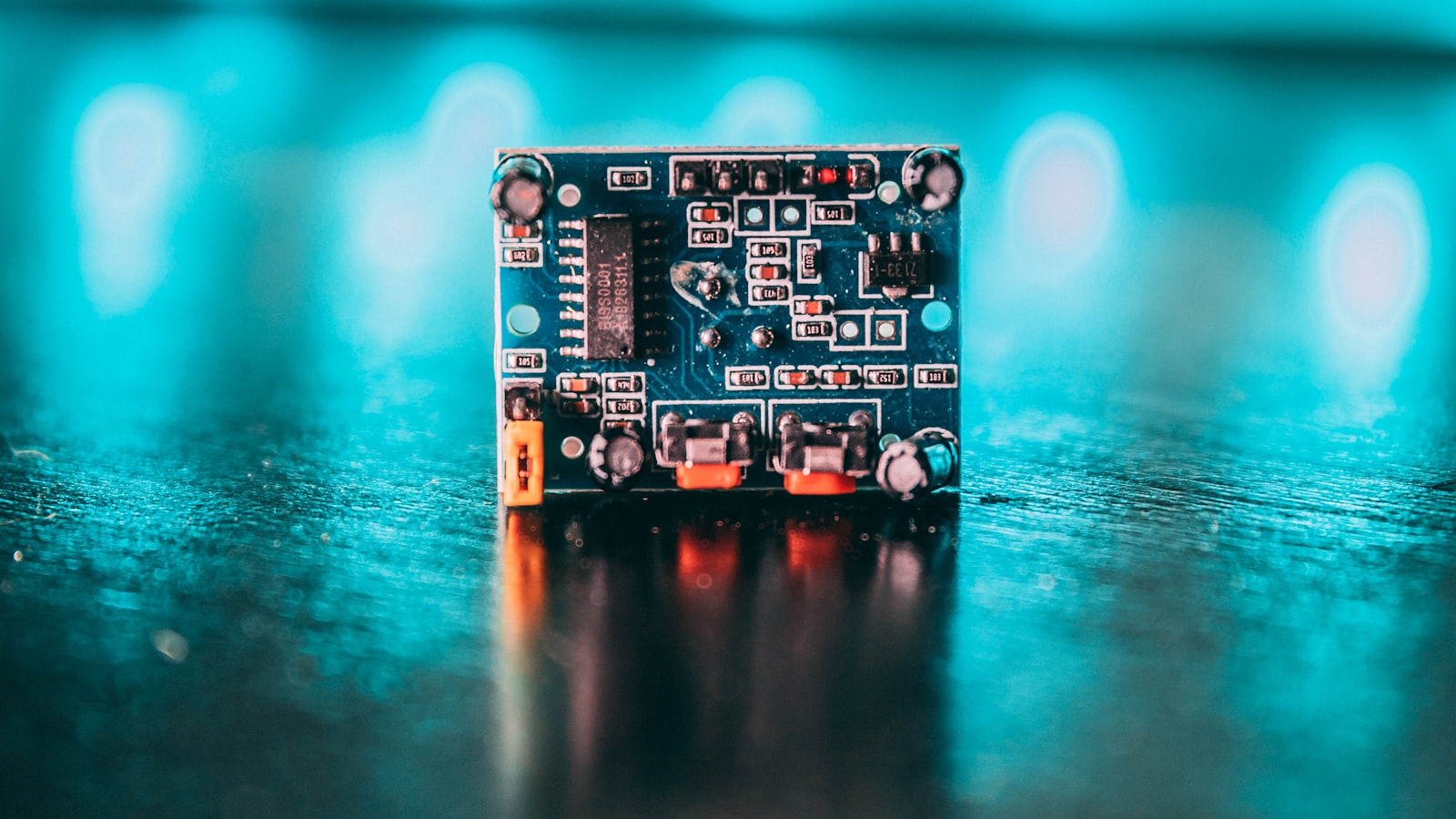
What is ENIG in PCB?
What is ENIG? ENIG is a chemical process that deposits a thin layer of nickel and gold onto the copper pads and traces of a PCB. The process involves several steps: Cleaning: The PCB is thoroughly cleaned to remove any contaminants or oxidation. Microetching: The copper surface is slightly etched to improve adhesion. Electroless nickel…
-

How are flexible PCBs manufactured?
What are Flexible PCBs? Flexible PCBs, also known as flex circuits or FPCBs, are a type of printed circuit board that consists of a thin, flexible substrate with conductive traces and components attached to it. Unlike traditional rigid PCBs, flexible PCBs can bend and conform to various shapes, allowing for more compact and space-saving designs.…
-
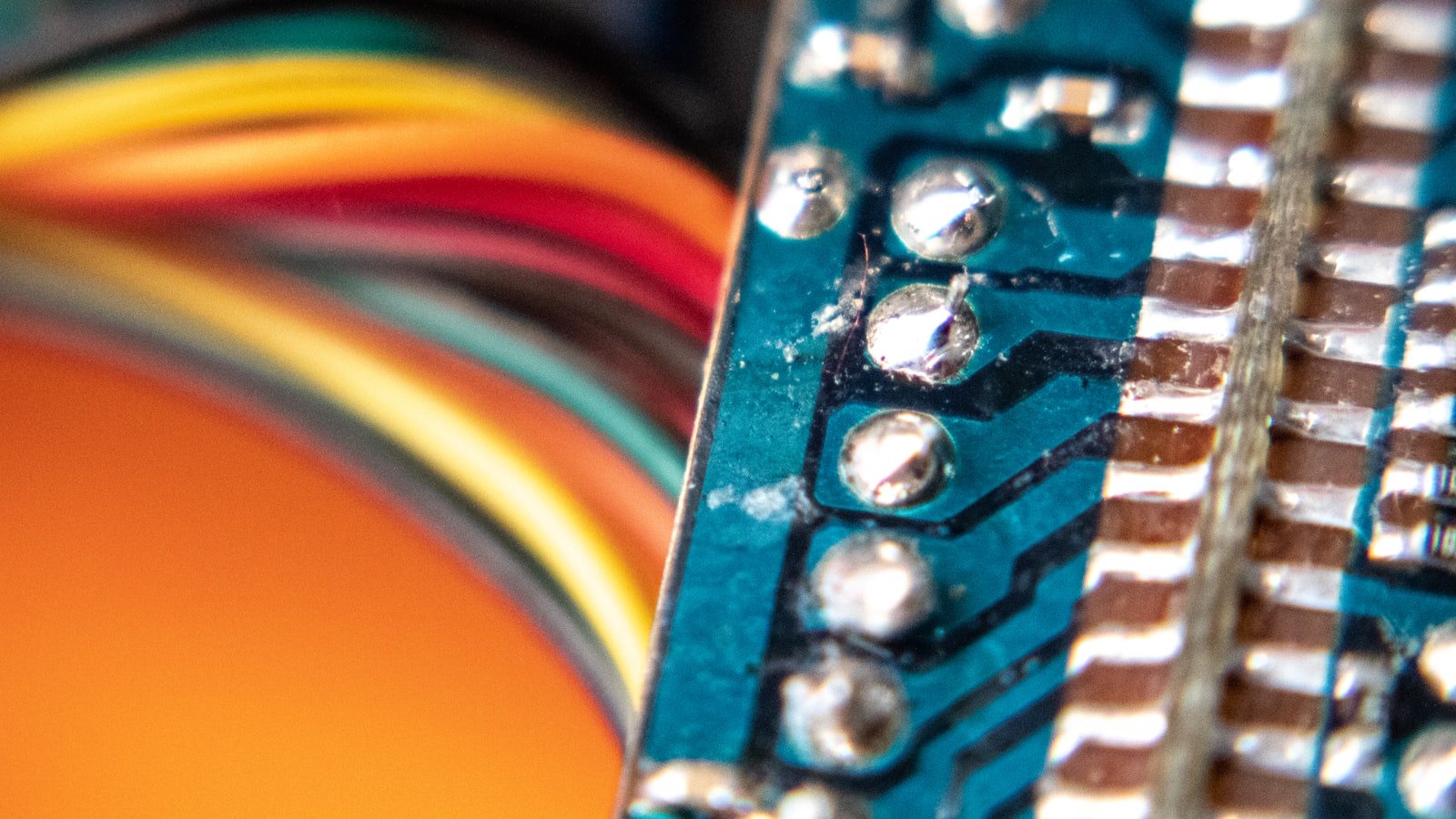
What is flux PCB?
What is Flux? Flux is a chemical agent used in the soldering process to remove oxides and other contaminants from the surfaces of the metal parts being soldered. It promotes the wetting of the solder to the metal surfaces, allowing for a strong and reliable bond between the components and the PCB. Types of Flux…
-

What are gold fingers in PCB?
What are Gold Fingers? Gold fingers are a type of edge connector featuring exposed metal contacts plated with a thin layer of gold. These contacts are typically located along one edge of a PCB and are designed to mate with corresponding connectors on another device or motherboard. The gold plating on these connectors serves several…
-

What is the process of immersion tin on PCB?
Introduction to Immersion Tin PCB Immersion tin (IT) is a surface finish commonly used in the manufacturing of printed circuit boards (PCBs). This process involves depositing a thin layer of tin onto the exposed copper surfaces of the PCB through an electroless plating method. Immersion tin PCB offers several advantages, including excellent solderability, improved shelf…
-
how to clean flux off pcb
Introduction Printed Circuit Boards (PCBs) are essential components in modern electronics. During the soldering process, flux is used to help the solder adhere to the components and the board. However, after soldering, the flux residue can be harmful to the PCB if not properly cleaned. In this article, we will discuss various methods on how…
-

6 Layer PCB Stackup Design Guidelines
Introduction to 6 Layer PCB Stackup A 6 layer PCB stackup is a popular choice for complex electronic designs that require higher density and better signal integrity. The six layers provide ample space for routing traces, power planes, and ground planes, allowing for more efficient and reliable PCB designs. In this article, we will discuss…
Blog
Archive
Categorise
Recent Posts
- Common Mode Choke Selection: A Comprehensive Guide
- Common Fab and Assembly Design Errors To Avoid – AltiumLive 2024
- Commodore 128 Principal Engineer, Bil Herd on Best Practices for Learning a New CAD Tool
- Collecting All the Pieces You Need: What is a Bill of Materials?
- Collaborative Design Software: Create PCB Schematic Symbols for any Component
