
-
What is PCB in medical device?
Introduction to medical pcb Assembly Printed Circuit Boards (PCBs) are essential components in modern medical devices. They are used in a wide range of applications, from simple monitoring equipment to complex diagnostic and treatment systems. Medical PCB assembly refers to the process of designing, manufacturing, and assembling PCBs specifically for use in medical devices. Importance…
-
What is a microwave PCB?
Characteristics of Microwave PCBs High-Frequency Operation Microwave PCBs are designed to handle high-frequency signals, which require special considerations in terms of material selection, trace geometry, and component placement. The high frequencies used in microwave applications can cause signal integrity issues, such as impedance mismatches, crosstalk, and signal attenuation. Low-Loss Materials To minimize signal loss and…
-
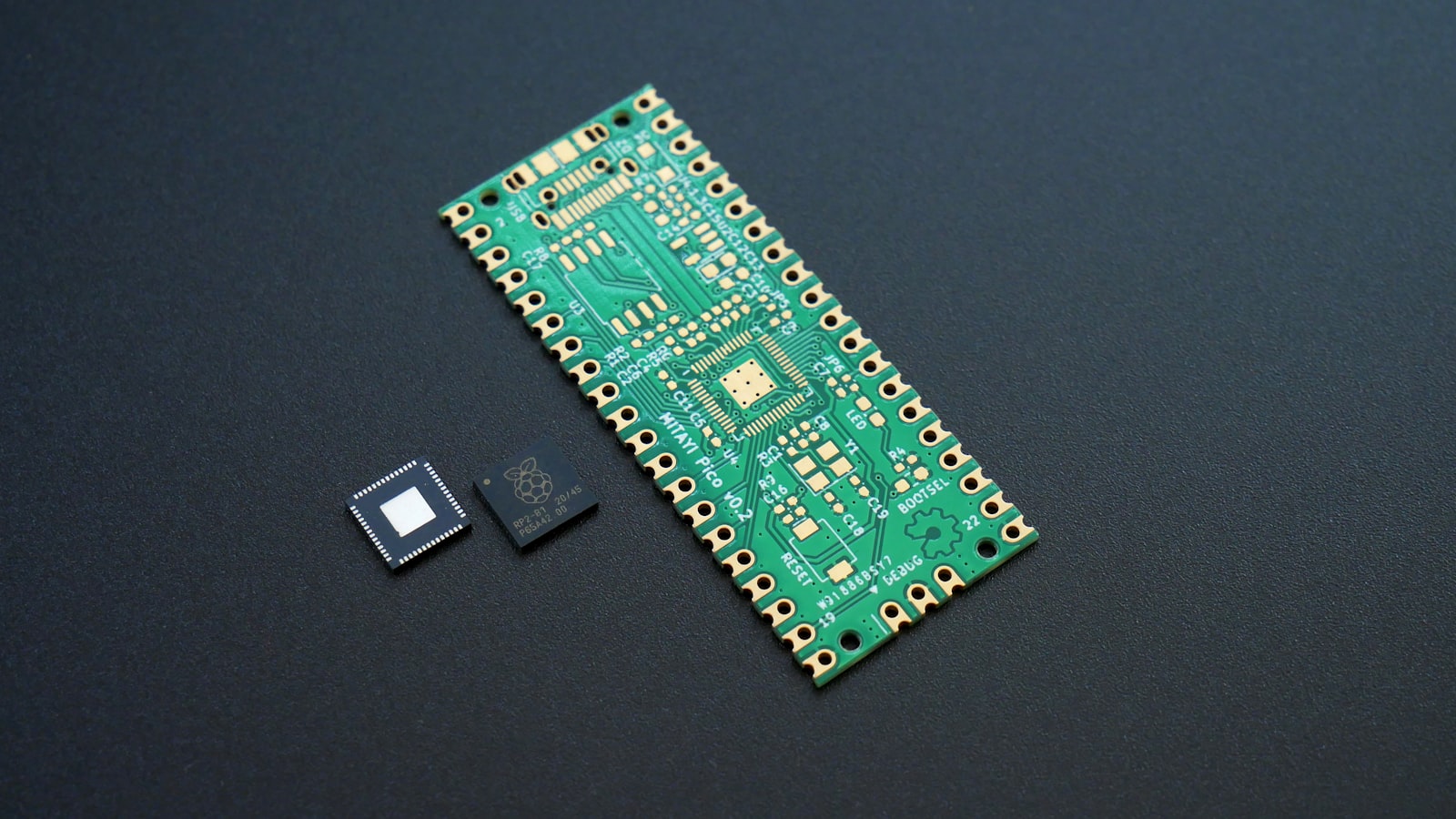
What is a programmable PCB?
Introduction to PCB Programmers A programmable PCB, or printed circuit board, is a versatile and powerful tool used in electronic engineering and hardware development. It allows engineers and hobbyists to create custom circuits and program them according to their specific requirements. In this article, we will explore the world of programmable PCBs, their components, functionality,…
-

What is a thermal relief PCB?
Introduction to Thermal Relief PCBs In the world of printed circuit board (PCB) design, thermal management is a crucial aspect that ensures the proper functioning and longevity of electronic components. One technique used to manage heat dissipation is the incorporation of thermal relief patterns in the PCB layout. A thermal relief PCB is designed to…
-
What is polyimide PCB?
The Advantages of Polyimide PCB 1. High Temperature Resistance One of the most significant advantages of polyimide PCB is its ability to withstand high temperatures. Polyimide has a glass transition temperature (Tg) of around 360°C and a continuous operating temperature of up to 260°C. This makes it suitable for applications that require exposure to extreme…
-

What is rapid PCB prototyping?
Introduction to Rapid PCB Prototyping Rapid PCB prototyping is a process that enables the quick fabrication of printed circuit boards (PCBs) for testing and validation purposes. This process is essential for electronics designers and engineers who need to create functional prototypes of their designs before mass production. Rapid PCB prototyping allows for faster iterations, reducing…
-

What is surface-mount in PCB?
What is a Surface-Mount PCB? A surface-mount PCB is a printed circuit board designed to accommodate surface-mount devices (SMDs) – electronic components that are mounted directly onto the surface of the board, rather than through holes as in traditional through-hole technology. SMDs are smaller, lighter, and have shorter leads, allowing for higher component density and…
-

What is stacking in PCB?
Introduction to Stacked PCBs In the world of electronic design and manufacturing, printed circuit boards (PCBs) play a crucial role in connecting and supporting various components. As technology advances and devices become more compact and complex, the demand for efficient PCB design techniques increases. One such technique is PCB stacking, also known as stacked PCB.…
Blog
Archive
Categorise
Recent Posts
- Common Mode Choke Selection: A Comprehensive Guide
- Common Fab and Assembly Design Errors To Avoid – AltiumLive 2024
- Commodore 128 Principal Engineer, Bil Herd on Best Practices for Learning a New CAD Tool
- Collecting All the Pieces You Need: What is a Bill of Materials?
- Collaborative Design Software: Create PCB Schematic Symbols for any Component
