
-
Types of PCBs: A Comprehensive Guide
404 13:16:55Types of PCBs: A Comprehensive Guide Printed Circuit Boards (PCBs) are the backbone of modern electronics. They provide the mechanical support and electrical connections necessary for electronic components to function. PCBs are used in a wide range of applications, from simple consumer electronics to complex aerospace systems. Over the years, the technology behind PCBs…
-
Introduction to PCB Design
1. Overview of PCB Design Printed Circuit Board (PCB) design is a critical aspect of modern electronics engineering. It involves the creation of a layout that connects various electronic components to form a functional circuit. PCBs are used in almost all electronic devices, from simple gadgets like calculators to complex systems like computers and smartphones.…
-
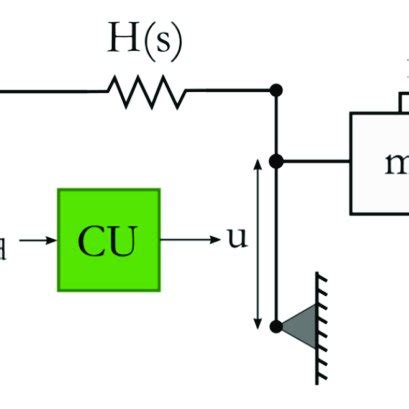
10 Ways to Avoid Signal Integrity problems by Impedance Control
Introduction to Impedance Control and Signal Integrity In the world of high-speed digital electronics, signal integrity is a critical factor in ensuring reliable and efficient data transmission. One of the key techniques for maintaining signal integrity is impedance control. Impedance control involves managing the characteristic impedance of transmission lines to minimize reflections, crosstalk, and other…
-
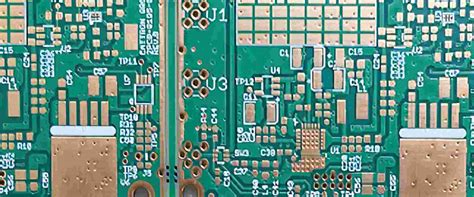
Check Now RAYPCB Updates its Standard Stackup for Multi layer PCBs
Introduction to RAYPCB’s Updated Standard Stackup RAYPCB, a leading manufacturer of high-quality printed circuit boards (PCBs), has recently announced an update to its standard stackup for multi-layer PCBs. This update aims to improve the overall performance, reliability, and manufacturability of the PCBs produced by the company. What is a PCB Stackup? A PCB stackup refers…
-
Computer-Aided Manufacturing: Automated High-Speed Machining
What is Computer-Aided Manufacturing? Computer-Aided Manufacturing (CAM) is the use of computer software and hardware to automate and control manufacturing processes. CAM systems integrate computer-aided design (CAD) data with machine tools, robotics, and other manufacturing equipment to create a seamless workflow from design to production. CAM enables manufacturers to produce complex parts and products with…
-
Car Circuits: Closed Vehicle Electrical Circuits
Introduction to Car Electrical Circuits Modern automobiles rely on complex electrical systems to power everything from the engine control unit to infotainment systems, power windows, lights, and more. At the heart of a vehicle’s electrical system are closed circuits that allow current to flow and power these various components. Understanding the basics of Car Circuits…
-
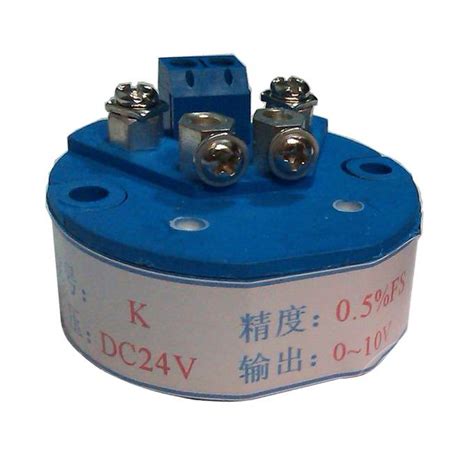
MAX31856: Explaining the Thermocouple Digital Converter
Introduction to Thermocouples and Temperature Measurement Accurate temperature measurement is crucial in a wide range of applications, from industrial processes to scientific experiments. Thermocouples are popular temperature sensors due to their wide measurement range, durability, and relatively low cost. However, converting the thermocouple’s analog signal into a digital value that can be easily read and…
-
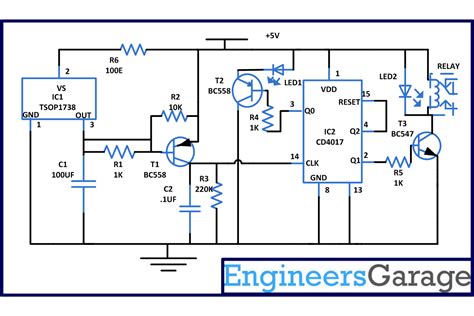
Remote Control Car Circuit: Everything You Should Know About It
What is a Remote Control Car Circuit? A remote control car circuit is the electronic system that allows a user to control a toy car wirelessly using a remote control. The circuit typically consists of a transmitter (the remote control) and a receiver (located inside the car). The transmitter sends radio frequency (RF) signals to…
Blog
Archive
Categorise
Recent Posts
- Common Mode Choke Selection: A Comprehensive Guide
- Common Fab and Assembly Design Errors To Avoid – AltiumLive 2024
- Commodore 128 Principal Engineer, Bil Herd on Best Practices for Learning a New CAD Tool
- Collecting All the Pieces You Need: What is a Bill of Materials?
- Collaborative Design Software: Create PCB Schematic Symbols for any Component
