
-
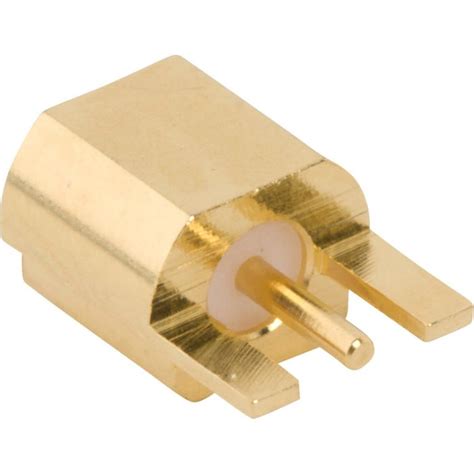
Capability of the PCB Surface Mount Plant
Introduction to PCB Surface Mount Technology Surface Mount Technology (SMT) has revolutionized the electronics manufacturing industry, enabling the production of smaller, faster, and more reliable Printed Circuit Boards (PCBs). The PCB Surface Mount Plant (PCB-SMP) is a specialized facility designed to handle the complex process of assembling PCBs using SMT. In this article, we will…
-
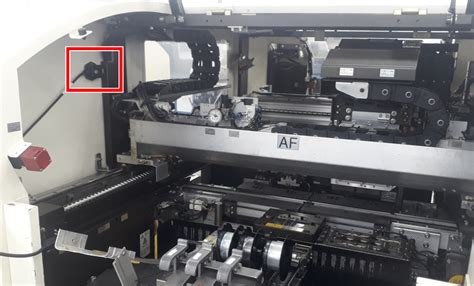
How to Assemble and Check SMD Components
Understanding SMD Components SMD components come in various package sizes and shapes, each with its own set of advantages and challenges. Some common SMD package types include: Resistors and capacitors: 0201, 0402, 0603, 0805, 1206 Integrated circuits (ICs): SOT-23, SOT-223, SOIC, TSSOP, QFP, BGA Inductors: 0402, 0603, 0805, 1206 LEDs: 0603, 0805, 1206 SMD Package…
-
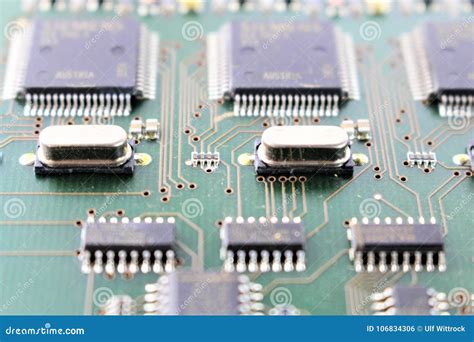
How to Read Circuit Boards and Identify Components
Introduction to Circuit Boards A circuit board, also known as a printed circuit board (PCB), is the backbone of most electronic devices. It is a flat board made of insulating material, such as fiberglass or plastic, with conductive pathways etched onto its surface. These pathways, called traces, connect various electronic components to form a functional…
-
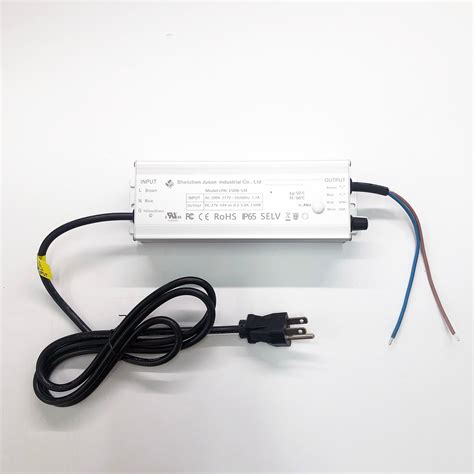
Ultimate Guide to LED Grow Light PCB Manufacturing
Introduction to LED Grow Light PCBs Light Emitting Diode (LED) grow lights have revolutionized indoor horticulture by providing an energy-efficient and customizable lighting solution for growing plants. At the heart of these grow lights are printed circuit boards (PCBs) that house and connect the LED components. In this comprehensive guide, we will delve into the…
-
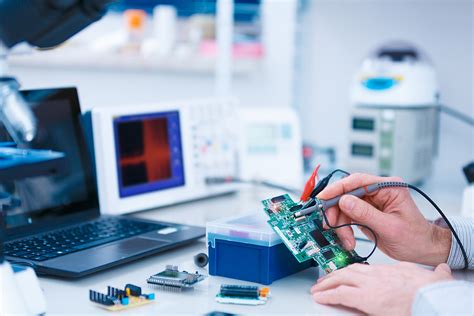
Functional Testing of PCB Assembly and PCBA FCT Costs
Introduction to PCB Assembly Testing Printed Circuit Board (PCB) Assembly is a critical process in the manufacturing of electronic devices. It involves the placement and soldering of electronic components onto a PCB to create a functional circuit. However, the process doesn’t end there. To ensure the reliability and quality of the final product, it is…
-
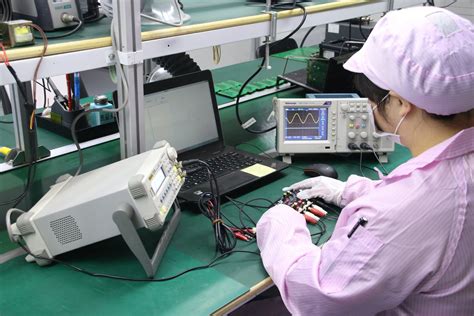
What is the function of the PCB?
What is a PCB? A PCB is a flat board made of insulating materials, such as fiberglass or composite epoxy, with conductive copper traces printed onto its surface. These traces connect various electronic components, such as resistors, capacitors, and integrated circuits (ICs), to form a complete electronic circuit. PCBs come in various sizes, shapes, and…
-
What is ultra-thin pcb
Introduction to Ultra-Thin PCB Technology Ultra-thin PCB, also known as thin printed circuit board or micro PCB, is a type of printed circuit board that is significantly thinner than traditional PCBs. These boards are designed to meet the growing demand for smaller, lighter, and more compact electronic devices. Ultra-thin PCBs are typically less than 0.4…
-

What is a high TG PCB?
Understanding the Basics of High TG PCBs What Does “High TG” Mean? The term “TG” in high TG PCB stands for “Glass Transition Temperature.” This is the temperature at which the PCB substrate transitions from a rigid, glassy state to a more flexible, rubbery state. In other words, it is the point at which the…
-

What is HASL in PCB?
What is HASL? HASL is a process that involves immersing the PCB in a molten solder bath, typically consisting of a tin-lead alloy (SnPb). The excess solder is then blown off the surface of the PCB using hot air knives, leaving behind a thin, uniform layer of solder on the exposed copper pads and through-holes.…
-
What is the common impedance of a PCB?
Understanding Impedance in PCBs Impedance is a measure of the opposition that a circuit presents to the flow of alternating current (AC) at a given frequency. In the context of PCBs, impedance refers to the characteristic impedance of the transmission lines, which are the conductive traces that carry signals between components. The characteristic impedance of…

March 2024
Archive
Categorise
Recent Posts
- Common Mode Choke Selection: A Comprehensive Guide
- Common Fab and Assembly Design Errors To Avoid – AltiumLive 2024
- Commodore 128 Principal Engineer, Bil Herd on Best Practices for Learning a New CAD Tool
- Collecting All the Pieces You Need: What is a Bill of Materials?
- Collaborative Design Software: Create PCB Schematic Symbols for any Component
